Shoko Kawata Becomes Japan’s First Mayor on Maternity Leave and Makes TIME100 Next 2026 List
Japan’s demographic crunch and the cultural weight of work
Japan has been wrestling with a shrinking population for over a decade, with the total fertility rate hovering around 1.3 children per woman in 2025. The government has launched a series of incentives, from cash bonuses for families to expanded childcare slots, yet cultural expectations around long hours and limited leave still dominate corporate life.
In this context, taking parental leave—especially for men—has often been seen as a career‑risk move. A 2023 survey by the Ministry of Health, Labour and Welfare found that only 16 % of eligible male workers actually used paternity leave, while many women face subtle pressure to return early to avoid being labeled “less committed”. The pressure is even sharper for elected officials, who are expected to be constantly visible to their constituents.
Shoko Kawata’s historic decision and global recognition
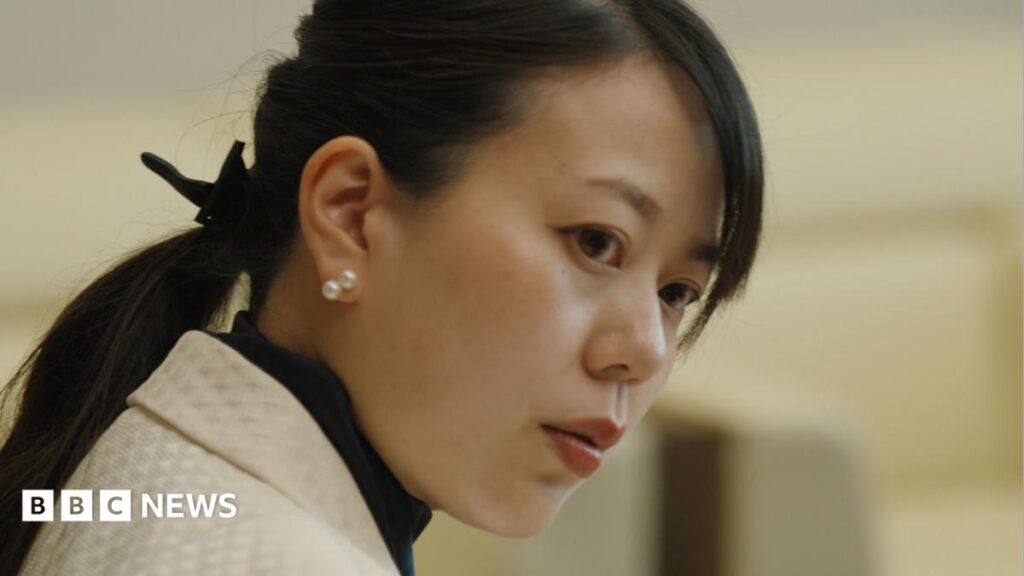
In April 2026, Shoko Kawata, the mayor of the coastal city of Kure in Hiroshima Prefecture, announced she would step away from her duties for ten weeks to give birth and bond with her newborn. By doing so, she became the first mayor in Japan to formally take maternity leave while remaining in office.
Her move caught the eye of TIME magazine, which placed her on the inaugural TIME100 Next list for 2026. The list celebrates emerging leaders who are reshaping their fields, and Kawata was highlighted for “challenging entrenched gender norms in a nation where work culture is notoriously rigid.”
Domestic reaction: applause, scepticism and policy debate
Public response in Japan has been mixed. Women’s rights groups praised Kawata as a role model, noting that her visibility could inspire other female politicians to prioritize family without fear of backlash. The Japan Women’s Network issued a statement calling the leave “a bold statement that motherhood and leadership can coexist.”
Conversely, some local business chambers expressed concern that an absent mayor could stall urgent projects, especially as Kure navigates post‑pandemic economic recovery. A senior executive at the Kure Chamber of Commerce told NHK that “continuity is essential for small‑city governance,” though he added that “the conversation about flexible leadership is overdue.”
The episode has also reignited debate in the national Diet about expanding statutory parental‑leave provisions for public officials. Lawmakers from the ruling Liberal Democratic Party (LDP) hinted at a possible amendment that would guarantee a paid leave quota for elected representatives, a proposal that is still in its early stages.
A broader lens: parallels with African cities and gender‑inclusive policies
While Japan’s situation is unique, the tension between political leadership and parental responsibilities echoes across continents. In Africa, several cities have already embraced gender‑balanced leadership models. For example, Kigali’s deputy mayor, Claudine Mukashyaka, took six weeks of maternity leave in 2023, setting a precedent that the Rwandan government later codified into municipal law.
South Africa’s City of Johannesburg introduced a “parent‑friendly” policy in 2025, allowing councilors up to 12 weeks of paid leave without forfeiting voting rights. These African examples illustrate how local governments can act as testing grounds for national reforms, a path that Japan might now consider following Kawata’s lead.
Moreover, the African diaspora in Japan—estimated at a few thousand residents—has been closely watching the development. Community leaders note that Japan’s handling of parental leave could affect future talent pipelines, especially as tech firms in Nairobi and Lagos look to expand into East Asia and seek a supportive work environment for their expatriate staff.
What comes next: potential ripple effects in Japan and beyond
Kawata’s ten‑week absence is being overseen by a deputy mayor appointed by the city council, ensuring that day‑to‑day operations continue. Early reports suggest that key initiatives—such as the coastal revitalization project and the new marine‑tech incubator—remain on schedule, countering fears that a leader’s leave would stall progress.
If the experiment proves smooth, other municipalities may feel emboldened to adopt similar policies. Political analysts at the University of Tokyo predict that within five years, at least a dozen mid‑size cities could formalize maternity‑leave guidelines for elected officials, potentially shifting public perception about work‑life balance in the public sector.
Internationally, Kawata’s inclusion in TIME100 Next could spark dialogue at upcoming global forums on gender equity, such as the United Nations Commission on the Status of Women in 2027. Observers from the African Union’s Gender Equality Division have already requested a briefing on Japan’s approach, hoping to extract lessons for the Union’s own “Women in Leadership” agenda.
Quick Answers
What is the TIME100 Next list?
TIME100 Next is an annual roundup of emerging leaders under 40 who are reshaping their fields, launched by TIME magazine in 2023.
Who is Shoko Kawata?
Shoko Kawata is the mayor of Kure, Hiroshima Prefecture, and Japan’s first mayor to take official maternity leave while remaining in office.
How could Kawata’s maternity leave affect Japanese workplaces?
Her high‑profile leave may pressure companies and public institutions to normalize parental leave, potentially leading to new legislation that protects employees—especially women—in leadership roles.
Source: www.bbc.co.uk




💬 Comments 0