South Korea threatens action over Ukraine POW apology demand, Lee Jae Myung says Kyiv provokes Korean Peninsula war risk – Oct 2026
Background: The prisoner‑of‑war controversy
In early September 2026, Ukraine publicly accused South Korea of violating the Geneva Convention by allegedly holding a North Korean soldier captured during joint NATO‑Korea drills. The claim sparked outrage in Seoul, where officials insisted the detainee was a suspected illegal entrant, not a combatant, and that Korean law required a formal judicial process.
South Korea’s Ministry of Foreign Affairs responded by demanding a formal apology and clarification from Kyiv, warning that any mischaracterisation of its legal procedures could damage bilateral ties. The dispute quickly moved beyond a legal quarrel, becoming a flashpoint in the broader contest over narrative control of the Russia‑Ukraine war.
The issue resurfaced at a United Nations Security Council briefing on humanitarian law, where several members, including the United States and Japan, urged both sides to de‑escalate rhetoric and respect each nation’s sovereign judicial processes.
The latest warning from President Lee Jae Myung
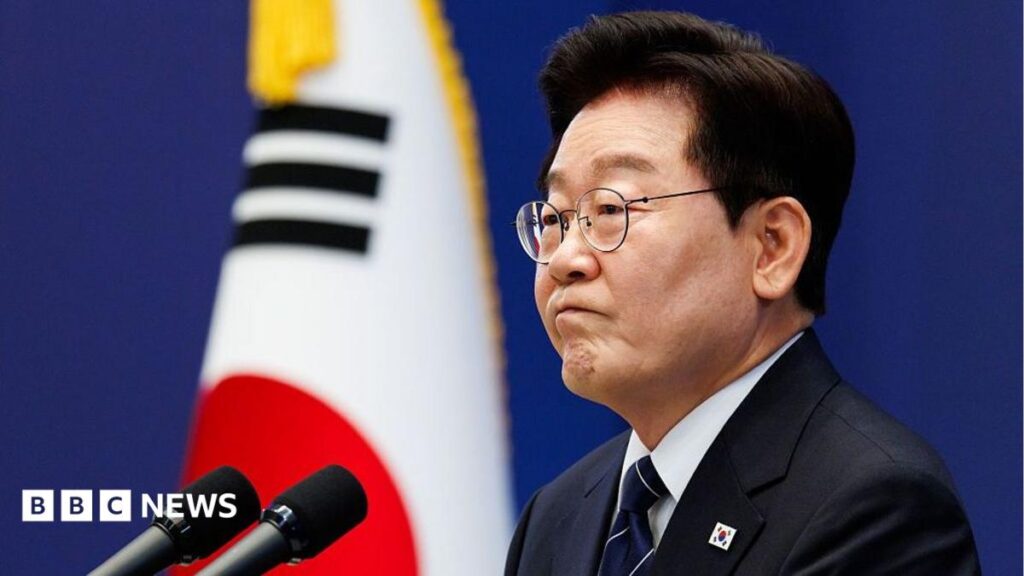
On 2 October 2026, President Lee Jae Myung addressed the National Assembly, stating that Kyiv’s accusations amounted to “an attempt to provoke a war on the Korean Peninsula.” He warned that South Korea would consider “further action” if Ukraine failed to issue an apology within a reasonable timeframe.
Lee’s remarks were delivered amid a heated press conference where he also referenced the potential spill‑over effects of a mis‑managed POW case on regional stability. He cited recent missile tests by North Korea as evidence that any perceived external interference could accelerate Pyongyang’s aggressive posturing.
The president’s statement was echoed by senior officials at the Ministry of National Defense, who warned that South Korea could restrict joint military exercises with NATO allies if diplomatic channels remained blocked.
Why the row matters for regional security
South Korea sits at the frontline of a volatile East Asian security architecture that includes the United States, Japan, and the nuclear‑armed North Korea. A diplomatic rift with Ukraine—an increasingly important partner in defense technology and humanitarian aid—could complicate Seoul’s ability to coordinate responses to North Korean provocations.
The warning also signals Seoul’s willingness to leverage its diplomatic clout to protect domestic legal sovereignty. By linking the POW issue to a broader “provocation” narrative, Lee is positioning South Korea as a gatekeeper of regional peace, a stance that may affect how other neighboring states view Korean diplomatic flexibility.
Analysts note that the dispute could influence the deployment of South Korean troops in UN peacekeeping missions, particularly in African nations where Seoul has been expanding its presence since 2020. Any perception of Seoul being overly defensive could dampen its credibility in multinational operations.
A broader pattern of war‑narrative battles
The South Korea‑Ukraine clash mirrors a growing trend where states contest the framing of the Russia‑Ukraine war to protect their own strategic interests. Similar disputes have emerged between China and European nations over the labeling of “terrorist” versus “freedom fighter” in conflict zones.
These narrative battles are increasingly fought on diplomatic, media, and legal fronts, often spilling into trade negotiations and defense contracts. In the case of Seoul, the row may affect its burgeoning arms‑export market to Ukraine, which has relied on Korean‑made artillery and drone technology since 2024.
For African countries that source military equipment from both South Korea and Western allies, any shift in Seoul’s export policy could alter regional procurement dynamics, especially in Sahel states battling insurgencies with Korean‑manufactured platforms.
Potential fallout for South Korea’s foreign policy and African interests
If diplomatic talks stall, Seoul could impose limits on joint training exercises with NATO, a move that would reverberate through the US‑South Korea alliance and potentially affect security guarantees extended to African peacekeepers deployed under the UN banner.
South Korean firms have invested heavily in African infrastructure projects, from solar farms in Kenya to smart‑city initiatives in Nigeria. A perception that Seoul is prioritising a narrow geopolitical dispute over broader development partnerships could raise concerns among African investors about policy predictability.
Conversely, some African diplomats see an opening: by offering mediation services, African Union members could showcase their diplomatic weight, positioning the continent as a neutral ground for de‑escalation between East Asian and European actors.
What comes next: diplomatic pathways and possible scenarios
Experts suggest that the next step will likely involve a back‑channel dialogue facilitated by a neutral third party, possibly the United Nations or the European Union, to draft a joint statement that respects South Korea’s legal process while acknowledging Ukraine’s humanitarian concerns.
Should Kyiv issue a formal apology, Seoul is expected to lift any punitive measures and resume full military cooperation. Failure to do so could lead to a calibrated response, such as suspending the exchange of intelligence on North Korean missile activities—a move that would have immediate security implications.
In the longer term, the episode may prompt South Korea to formalise a “prisoner‑of‑war verification protocol” within its defence agreements, a step that could set a precedent for future multilateral arms‑sale contracts, including those involving African nations.
Quick Answers
What did President Lee Jae Myung say about Ukraine's prisoner‑of‑war claims?
He warned that Kyiv's accusations could provoke a war on the Korean Peninsula and said South Korea would consider further action if Ukraine did not apologize.
How could this dispute affect South Korea's relations with African countries?
A strained stance may impact Korean arms sales and infrastructure projects in Africa, while also offering African diplomats a chance to mediate and boost the continent's diplomatic profile.
What are the possible next steps to resolve the row?
Likely options include a back‑channel apology from Ukraine, mediated talks through the UN or EU, and the creation of a joint verification protocol for detainees.
Source: www.bbc.co.uk


💬 Comments 0