SpaceX to Build $100bn Launch Complex in Louisiana by 2029, Impacting US Jobs and African Satellite Market
Why Louisiana? A strategic choice for SpaceX’s biggest site yet
SpaceX announced that its next mega‑facility will rise on the Gulf Coast of Louisiana, a decision shaped by a blend of geography, politics and existing infrastructure. The state’s low‑lying coastline offers a wide launch corridor over the Gulf of Mexico, minimizing risk to populated areas and allowing for a broader range of orbital inclinations. Moreover, Louisiana’s generous tax incentives and a history of supporting aerospace projects, such as the NASA Michoud Assembly Facility, make it an attractive partner for the private launch giant.
The selection also reflects a broader trend of U.S. states courting high‑tech firms with customized incentive packages. According to a report from the Louisiana Economic Development agency, the state is offering a combination of tax abatements, workforce training grants and expedited permitting processes that together could shave years off the construction timeline. This competitive environment is pushing other states to rethink their own aerospace strategies, especially as the federal government rolls out the Inflation Reduction Act, which includes provisions for clean‑energy and advanced manufacturing projects.
The $100bn project: scale, timeline and technical ambition
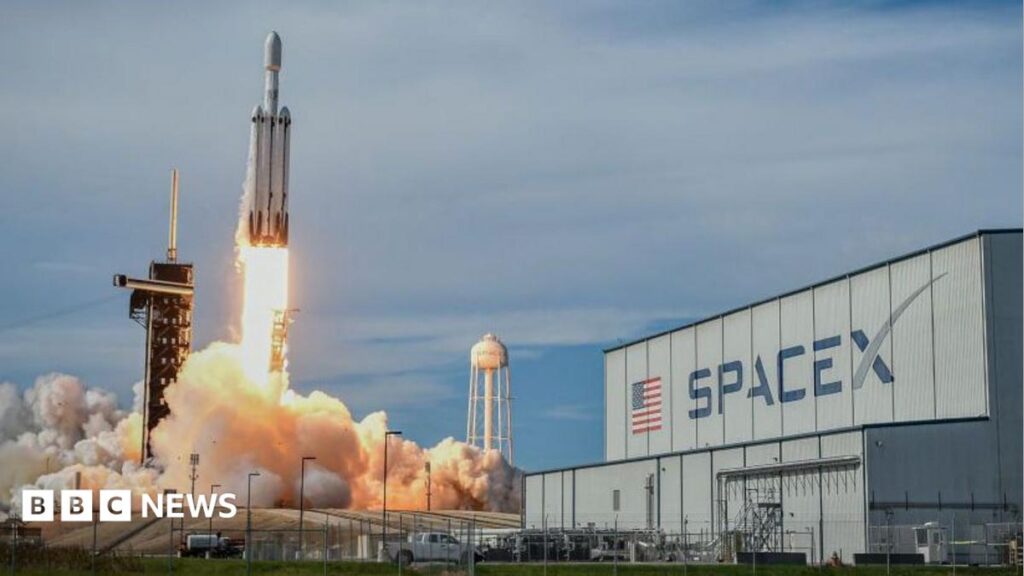
The planned complex is projected to cost roughly $100 billion over the next decade, making it the most expensive single‑site aerospace investment in U.S. history. The budget will cover a sprawling launch pad network, massive vehicle assembly hangars, a new orbital‑refueling depot and a dedicated high‑speed rail link to connect the site with the Port of New Orleans. SpaceX aims to have the first rocket lift off from the Louisiana site by 2029, a timeline that aligns with the company’s goal of establishing a fully reusable launch ecosystem.
Engineering plans released to the public show that the facility will support both Starship and Falcon‑Heavy vehicles, with separate launch pads designed for each class. The inclusion of a refueling station is particularly significant: it would enable on‑orbit fueling of deep‑space missions, a capability that could open the door to commercial lunar landings and Mars cargo flights within the next decade. Industry analysts say that the scale of the project could also accelerate the rollout of SpaceX’s Starlink broadband constellation, especially in underserved regions.
Economic ripple effects: jobs, local growth and U.S. space policy
State officials estimate that the construction phase alone could create up to 30,000 direct jobs, ranging from skilled welders to high‑tech engineers. Once operational, the site is expected to sustain an additional 10,000 permanent positions in launch operations, vehicle integration, and ancillary services. The influx of high‑paying jobs is projected to boost median household incomes in the surrounding parishes by as much as 15 percent, according to a study by the University of Louisiana’s Economic Research Center.
Beyond the immediate employment boost, the facility could catalyze a secondary wave of investment in the region’s supply chain. Local manufacturers of composite materials, avionics, and propulsion components are already negotiating contracts to become certified suppliers. This vertical integration mirrors the “cluster” model that propelled the growth of Silicon Valley and could position the Gulf Coast as a new hub for aerospace innovation in the United States.
What the launchpad means for Africa’s satellite and connectivity ambitions
African satellite operators have long relied on European and Asian launch services, often paying premium prices and navigating limited launch windows. The addition of a high‑capacity U.S. launch site on the Gulf Coast introduces a new, potentially cheaper option for African customers. SpaceX’s reputation for low‑cost rideshare missions could translate into reduced launch fees for small‑sat constellations that aim to provide broadband, Earth‑observation or climate‑monitoring services across the continent.
The timing aligns with a surge of African space startups, such as Kenya’s Kibo, Nigeria’s SpaceX‑like venture “Nigerian Orbital”, and South Africa’s emerging small‑sat manufacturers. These firms have been lobbying for more affordable access to orbit, and several have already signed tentative agreements for rideshare slots on Falcon‑Heavy flights. If the Louisiana complex meets its 2029 target, African operators could benefit from more frequent launch opportunities, shorter lead‑times and the ability to launch directly into equatorial orbits that are optimal for coverage of the continent.
Looking ahead: geopolitics, environmental concerns and the road to 2029
The project arrives at a moment when space has become a new arena of geopolitical competition. While the United States is seeking to cement its leadership, China and Russia are expanding their own launch capabilities. By investing heavily in domestic infrastructure, SpaceX not only strengthens U.S. market share but also provides a strategic asset that can be leveraged in diplomatic negotiations, especially with African nations that are courting both Western and Eastern launch providers.
Environmental groups have raised questions about the ecological footprint of a massive launch complex on a region already vulnerable to hurricanes and sea‑level rise. The company has pledged to incorporate renewable energy sources, such as a 500‑megawatt solar farm, and to adopt a low‑emission fuel mix for ground operations. However, critics argue that the sheer volume of rocket launches could increase local air and water pollution, urging regulators to enforce stringent monitoring standards before the first engine ignites.
Quick Answers
When is SpaceX expected to launch its first rocket from the Louisiana facility?
SpaceX plans to conduct the inaugural launch from the Louisiana site by 2029.
How could the new launch complex benefit African satellite operators?
It could offer lower‑cost rideshare slots and more frequent launch windows, making it cheaper and faster for African firms to put satellites into orbit.
What economic impact will the project have on Louisiana?
The construction phase may generate up to 30,000 jobs, with an additional 10,000 permanent positions once the site is operational, boosting local incomes and spurring aerospace supply‑chain growth.
Source: www.bbc.co.uk




💬 Comments 0