Spokane 2026 River‑Crossing Wildfire Devastates City, Signals US‑Africa Climate Risks
Background: Spokane's Growing Fire Threat
Spokane, Washington, long known for its hot, dry summers, has seen a steady rise in wildfire activity over the past decade. The region’s mix of dense conifer forests, expanding suburban development, and increasingly erratic weather patterns has turned what used to be a seasonal concern into a year‑round emergency planning issue.
Local officials have highlighted that the city’s fire‑season length has stretched from roughly three months in the early 2000s to over six months by 2025. This shift mirrors broader trends across the western United States, where climate‑driven heat spikes and earlier snowmelt create tinderbox conditions that can ignite with a single spark.
The 2026 River‑Crossing Blaze Unfolds
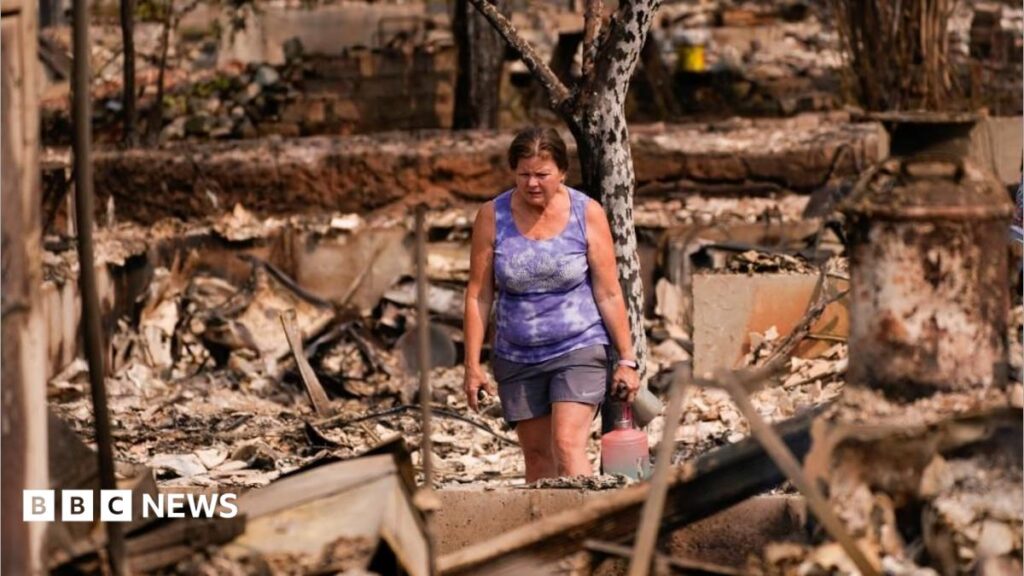
In early August 2026, a fast‑moving fire ignited on the north side of the Spokane River, fueled by strong gusts and low humidity. Within hours, the flames leapt across the water—a rare but increasingly documented phenomenon—as embers rode the wind and ignited vegetation on the opposite bank.
A resident who asked to remain anonymous told the BBC that hearing the fire “jump over the river” made the danger feel immediate and personal. The blaze quickly engulfed more than 4,500 acres, destroyed 120 homes, and forced the evacuation of over 15,000 people, marking it as one of the most destructive incidents in the city’s modern history.
Why the Scale of Devastation Matters
The sheer size of the Spokane fire underscores how traditional fire‑break strategies are becoming less effective in a warming climate. When a fire can cross a natural barrier like a river, the assumptions underpinning urban‑wildland interface planning need urgent revision.
Beyond the immediate loss of property, the event has triggered a spike in insurance claims and strained emergency services that were already stretched thin by consecutive fire seasons. Economists warn that repeated large‑scale disasters could depress property values and deter new investment in the Pacific Northwest, reshaping the region’s economic trajectory.
Connections to Global Wildfire Trends and African Cities
Spokane’s experience is part of a worldwide uptick in wildfire frequency and intensity, a pattern also evident across parts of Africa. In South Africa’s Western Cape, for example, the 2024–2025 fire season saw record‑breaking blazes that destroyed thousands of homes and strained water supplies, echoing the challenges faced in the United States.
African diaspora communities in Spokane have been vocal about the parallels, noting that many of their relatives back home are confronting similar threats. Climate‑adaptation NGOs operating in Nairobi and Lagos point to Spokane’s river‑crossing fire as a cautionary case study for how urban planners must integrate fire‑resilience into riverine and coastal infrastructure.
Reactions from Residents and Officials
Mayor Lisa Brown declared a state of emergency on August 3, urging federal assistance and promising a post‑fire review of land‑use policies. In a press conference, she emphasized that “our recovery plan will not simply rebuild what was lost, but will embed climate‑smart design at every level.”
Community leaders, including the Spokane Native American Tribal Council, called for greater involvement of Indigenous fire‑management knowledge. They argue that centuries‑old practices—such as controlled burns and seasonal grazing—could complement modern suppression tactics and reduce the likelihood of fires breaching natural barriers.
What Comes Next: Policy and Preparedness
State legislators are now debating a package that would increase funding for forest thinning, expand early‑warning systems, and require new construction near fire‑prone zones to meet stricter fire‑resistance standards. If passed, the measures could serve as a model for other fire‑vulnerable regions, including parts of the Sahel and the Ethiopian highlands.
For the diaspora, the incident has sparked renewed interest in cross‑continental climate collaborations. NGOs are exploring joint training programs that pair Spokane’s fire‑fighter crews with African counterparts, sharing technology, data, and community‑based mitigation strategies to build resilience on both sides of the Atlantic.
Quick Answers
How many homes were destroyed in Spokane's 2026 wildfire?
The fire destroyed about 120 homes, according to local emergency officials.
Why was the Spokane fire able to cross the river?
Strong winds carried burning embers across the Spokane River, igniting vegetation on the opposite bank.
What lessons does the Spokane fire offer African cities facing wildfires?
It highlights the need for fire‑resilient urban planning, early‑warning systems, and the integration of traditional land‑management practices.
Source: www.bbc.co.uk



💬 Comments 0