Sri Lankan man stranded in Cook Islands over transit visa denial, 2026
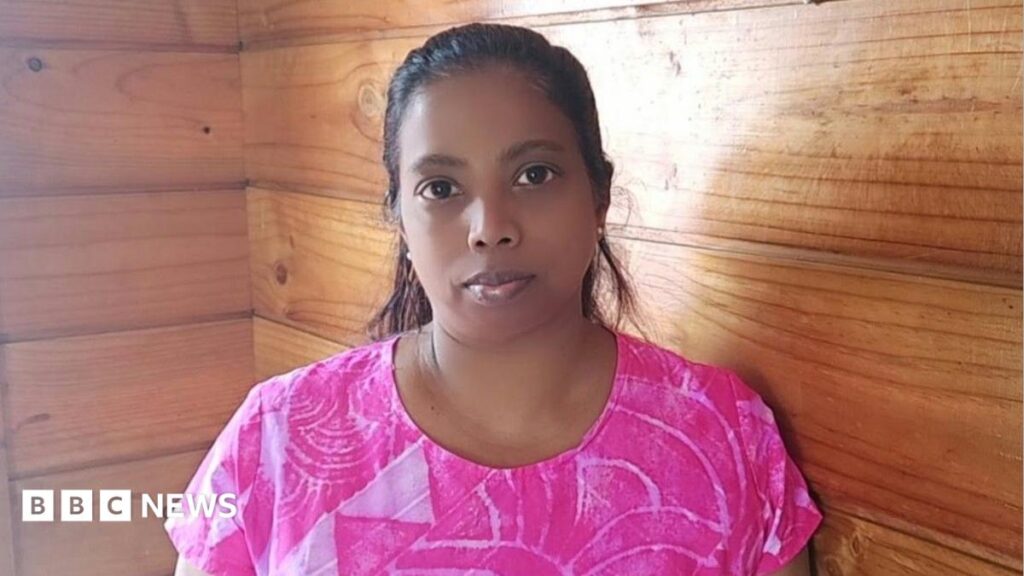
Background: A long‑distance odyssey gone wrong
Ruchira Ranasingha, a 50‑year‑old Sri Lankan engineer, set off from his home country in early 2023 to visit relatives in New Zealand. The journey required a brief layover in Rarotonga, the capital of the Cook Islands, a self‑governing territory in free association with New Zealand. At the time, the Cook Islands allowed most tourists to enter visa‑free for up to 31 days, but a separate transit‑visa rule applied to anyone whose flight itinerary involved a stopover without a confirmed onward ticket. Ranasingha’s return flight was cancelled, and he found himself unable to secure a transit visa to board a new connection back to New Zealand or onward to Sri Lanka.
The Cook Islands’ immigration office told Ranasingha that a transit visa could only be issued if the applicant could prove a confirmed onward ticket and sufficient funds for the next leg. With his original airline filing for bankruptcy and his bank accounts frozen due to a recent fraud investigation back home, Ranasingha could not meet those requirements. As a result, he has been living on the island for more than three years, relying on a modest stipend from a local charity and occasional help from the Sri Lankan embassy in Wellington, New Zealand.
The Stranding: Daily life on a remote Pacific outpost
Life on Rarotonga is far from the bustling metropolis Ranasingha left behind. The island’s population of roughly 10,000 people lives in a close‑knit community where most services are geared toward tourism. Ranasingha has taken up informal work as a handyman for local guesthouses, trading labor for meals and a small cash allowance. He says the isolation has taken a toll on his mental health, as he is cut off from his family and unable to attend his mother’s funeral in 2024.
Legal experts in Auckland note that Ranasingha’s case is not unique. The Pacific region has seen a rise in “visa limbo” cases where travelers are stranded because of bureaucratic gaps between airline responsibilities and host‑country immigration rules. In many instances, airlines claim they are not liable for re‑booking passengers after a carrier ceases operations, leaving the stranded traveler to shoulder the cost of a new ticket and any required visas.
Visa policies and global mobility: Why the Cook Islands’ rules matter
The Cook Islands’ transit‑visa requirement is part of a broader trend of small island states tightening entry controls to protect limited resources and curb illegal migration. According to a 2025 report by the Pacific Islands Forum, 12 % of all visa applications to the region are for transit purposes, and the processing backlog has grown by 40 % since 2022. While the policy aims to ensure that visitors have a clear itinerary, it inadvertently creates a legal grey area for people caught in airline disruptions.
For countries like Sri Lanka, where many citizens rely on indirect routes through Pacific hubs to reach Europe or North America, the Cook Islands’ stance highlights a vulnerability in global mobility. The International Air Transport Association (IATA) has urged member states to adopt a “single‑ticket guarantee” that would obligate airlines to provide a replacement flight and any necessary visas when a carrier fails. Until such standards become binding, individuals like Ranasingha remain at the mercy of disparate national regulations.
Connecting the dots: Similar challenges faced by African travelers
African nationals, particularly those from low‑income economies, encounter comparable obstacles when transiting through small states. In 2024, a Kenyan student was detained for weeks in Vanuatu after a flight cancellation left him without a confirmed onward ticket, and the Vanuatu government refused to issue a transit visa without proof of funds that the student could not produce.
These cases expose a pattern: restrictive transit policies disproportionately affect travelers from the Global South, who often lack the financial cushion to purchase last‑minute tickets or secure emergency funding. The African Union’s 2025 Mobility Initiative cited the Cook Islands and other Pacific islands as “high‑risk nodes” for stranded migrants, urging member states to negotiate reciprocal visa‑waiver agreements that could ease the burden.
What could change: Policy reforms and advocacy routes
Pressure is mounting on the Cook Islands government to revise its transit‑visa framework. Local NGOs, together with the Pacific Islands Association of Travel Agents, have drafted a petition calling for a “humanitarian transit visa” that would be granted on the basis of humanitarian need rather than strict financial criteria. The petition, which gathered over 3,000 signatures in two weeks, was presented to the Cook Islands Parliament in August 2026.
On the diplomatic front, Sri Lanka’s Ministry of Foreign Affairs has entered talks with New Zealand to secure a bilateral agreement that would allow Sri Lankan citizens to obtain a special transit permit for the Cook Islands when they are en route to New Zealand. If successful, the arrangement could serve as a template for other Pacific‑African partnerships, potentially reducing the number of future stranded travelers.
Looking ahead: The human cost of bureaucratic inertia
Ranasingha’s situation underscores how administrative rigidity can translate into a prolonged humanitarian issue. While he remains hopeful that a new flight will be arranged, his case also serves as a cautionary tale for anyone planning multi‑leg journeys through small jurisdictions. Travel insurers are beginning to add “transit‑visa failure” as a covered peril, a sign that the market is responding to the risk.
For African and Asian diasporas, the story is a reminder that global travel is still governed by uneven power dynamics. Advocacy groups argue that a coordinated push for universal “single‑ticket guarantees” and humanitarian transit visas could reshape the landscape, making international mobility less precarious for millions of low‑income travelers.
Quick Answers
Why is Ruchira Ranasingha unable to leave the Cook Islands?
He cannot obtain a transit visa because he lacks a confirmed onward ticket and proof of sufficient funds, both required by Cook Islands immigration rules.
Do other travelers from Africa face similar transit‑visa problems?
Yes, several African nationals have been stranded in Pacific islands and other small states due to strict transit‑visa requirements and airline disruptions.
What steps are being taken to prevent future cases like this?
Local NGOs have petitioned for a humanitarian transit visa, and Sri Lanka is negotiating a bilateral permit with New Zealand that could ease travel for its citizens.
Source: www.bbc.co.uk




💬 Comments 0