Study Finds 1 in 4 Former NFL Players (2016‑2021) Had Degenerative Brain Disease, Raising Global Sports Safety Concerns
The new study and its stark numbers
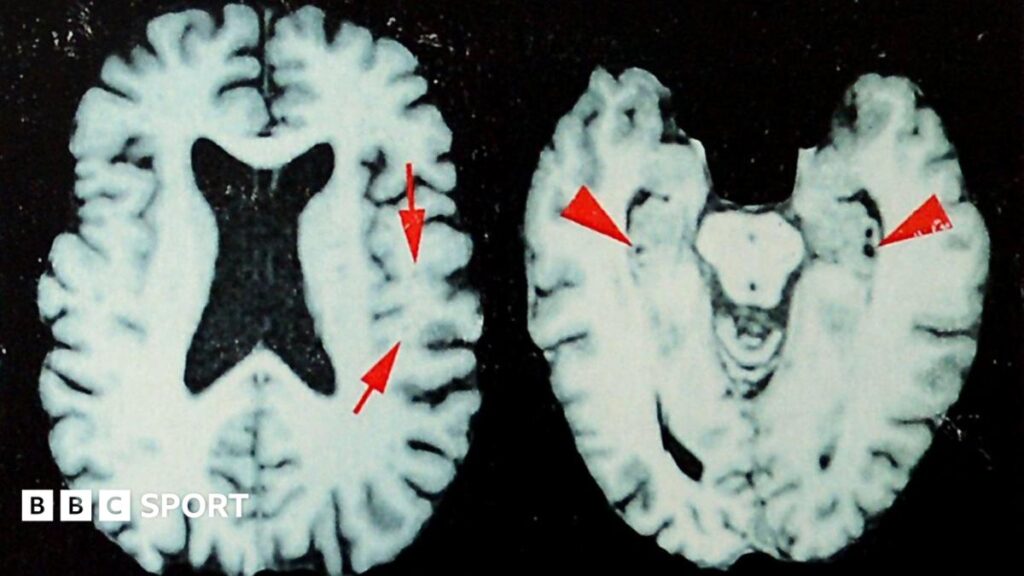
Researchers at the Boston University School of Medicine examined the brains of 202 former National Football League athletes who had died between 2016 and 2021. The analysis, published in a peer‑reviewed journal, revealed that at least 25 percent of the sample showed clear signs of chronic traumatic encephalopathy (CTE) or other degenerative brain conditions, a proportion notably higher than earlier estimates that hovered around 10‑15 percent.
The investigators used a standardized neuropathological protocol that grades the severity of tau protein deposits, the hallmark of CTE, across multiple brain regions. While the study acknowledges that the true prevalence could be higher—because families who donate brains often suspect a problem—the minimum figure of one in four already signals a public‑health alarm for contact‑sport athletes.
The report also broke down the data by playing position, finding that linemen and linebackers, who routinely experience the most frequent collisions, exhibited the highest rates of severe pathology. Conversely, skill positions such as wide receivers showed lower, though still significant, incidence of disease.
Why the findings matter for the NFL and its players
The NFL has spent more than a decade trying to distance itself from the stigma of brain injury, investing in helmet technology and rule changes that limit head‑to‑head contact. Yet the study’s numbers suggest that those measures may be insufficient to curb the long‑term damage caused by repeated sub‑concussive blows, which can accumulate over a career that often spans a decade or more.
Legal ramifications are already surfacing. Since 2012, more than 4,000 former players have sued the league over alleged concealment of concussion risks. A higher prevalence of CTE could strengthen future claims, potentially prompting a wave of settlements that would dwarf the $1 billion settlement reached in 2015.
From a medical‑policy perspective, the data pressure the NFL to expand its post‑career health monitoring. The league’s current Player Care Foundation offers limited neurological screening, but critics argue that comprehensive, lifelong follow‑up is essential to detect early signs of degeneration before they become irreversible.
African athletes, the diaspora and the NFL’s growing footprint
While the study focuses on American players, its implications echo across the NFL’s expanding global outreach, especially in Africa. Over the past five years the league has launched grassroots programs in Nigeria, Kenya and South Africa, aiming to tap into the continent’s youthful talent pool and to grow viewership ahead of the 2031 International Series in Lagos.
For African‑born athletes and diaspora players eyeing NFL careers, the heightened risk of brain disease raises a new set of questions. Families in Lagos and Accra, where American football is gaining popularity in schools, are now confronting the same medical dilemmas that have long haunted U.S. players, despite the sport’s relative novelty on the continent.
Diaspora communities in the United Kingdom and Canada, where many African immigrants are already playing semi‑professional football, are also watching the study closely. The research may influence how local clubs structure training, enforce concussion protocols, and educate parents about the hidden costs of a sport that promises lucrative scholarships and professional contracts.
A global pattern: contact sports and brain health
The NFL is not alone in grappling with brain‑injury revelations. Parallel investigations in rugby union, Australian rules football and even soccer have uncovered elevated rates of CTE‑like pathology among retired athletes. A 2024 meta‑analysis of 15 studies concluded that any sport involving repetitive head impacts carries a statistically significant risk of neurodegeneration.
These findings have spurred national health agencies in the United Kingdom, Australia and Canada to issue new guidelines for youth participation, emphasizing mandatory rest periods after concussions and stricter limits on contact drills. The World Health Organization’s recent call for a “global concussion surveillance system” reflects a growing consensus that the issue transcends borders.
For African sports ministries, the trend presents both a warning and an opportunity. Nations such as Ghana and South Africa, which are investing in rugby and football development, can pre‑emptively adopt evidence‑based safety standards, thereby protecting athletes before the problem becomes entrenched.
What comes next: research, regulation and cultural shift
The Boston University team plans to expand its brain‑bank, aiming to double the number of donated specimens by 2030. Their next phase will involve longitudinal imaging studies that could identify biomarkers of early CTE in living former players, a breakthrough that would allow for earlier intervention.
Regulators are also moving. The U.S. Senate’s Health, Education, Labor and Pensions Committee announced a hearing for early 2027 to examine “the adequacy of current concussion protocols in professional and amateur sports.” Similar parliamentary inquiries are expected in South Africa’s Sports Commission, where lawmakers have already expressed concern over the rise of American‑football clubs on university campuses.
Culturally, the narrative around football is shifting from glorified toughness to a more nuanced view of health stewardship. African influencers and former athletes who have migrated to the U.S. are using platforms like Instagram and TikTok to share personal stories of concussion, thereby raising awareness among fans who might otherwise view the sport solely as entertainment.
Quick Answers
What percentage of former NFL players examined had brain disease?
At least 25 percent of the 202 deceased players studied showed signs of chronic traumatic encephalopathy or other degenerative brain conditions.
How could the study affect African athletes interested in the NFL?
The findings highlight health risks that may influence African training programs, parental decisions, and NFL outreach initiatives across the continent.
What steps are being taken to prevent brain injuries in contact sports?
Leagues worldwide are tightening concussion protocols, investing in safer equipment, and governments are drafting stricter youth‑sports regulations.
Source: www.bbc.co.uk




💬 Comments 0