Sue Nyathi’s Self‑Funded Novel Becomes Netflix Hit, Spotlighting African Women & Polygamy
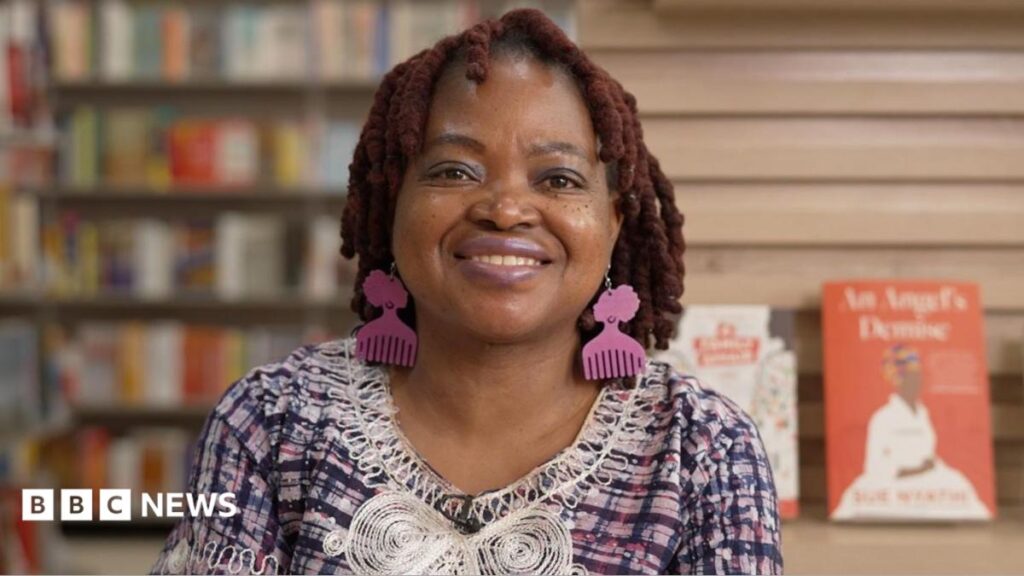
From Self‑Funding to Global Screen
Sue Nyathi, a Zimbabwean novelist born in 1985, grew up in Harare’s bustling suburbs before moving to the United Kingdom to study literature. After a decade of writing short stories and essays for local magazines, she decided to tackle a more ambitious project—a full-length novel that would explore the complexities of family life in contemporary Africa. Facing a lack of institutional support for African women writers, Nyathi chose to self‑fund her manuscript, using savings, part‑time work, and a crowdfunding campaign that attracted donors from across the diaspora.
The decision to self‑fund was not merely a financial choice; it was a statement of agency. In an industry where publishing houses often favour Western narratives, Nyathi’s approach allowed her to retain creative control and ensure that the voices of African women were represented authentically. The novel, titled "The Polygamist," was completed in 2022 and immediately attracted attention for its nuanced portrayal of polygamy, a topic rarely depicted with such depth in mainstream media.
The Polygamist’s Journey to Netflix
In early 2024, Netflix announced that it had acquired the rights to adapt "The Polygamist" into a limited series. The deal was celebrated by both the streaming giant and the African creative community, as it marked one of the first times a Zimbabwean author’s work was being taken to a global platform. Netflix’s chief content officer highlighted the project’s potential to “bridge cultural gaps” and noted that the series would be “grounded in the lived experiences of African families.”
Production began in Johannesburg, with a mixed cast of South African and Zimbabwean actors. The series’ director, a former documentary filmmaker, was praised for his sensitivity in handling the subject matter. The production team also worked closely with Nyathi to ensure that the script remained true to her original narrative, preserving key dialogues that highlighted the emotional complexity of polygamous relationships.
Why Representation Matters
"The Polygamist" offers a rare glimpse into the everyday realities of women navigating polygamous households in modern Africa. By centring female perspectives, the series challenges the often one‑dimensional portrayal of polygamy in Western media, which tends to frame it as either wholly oppressive or wholly idyllic. Instead, Nyathi’s narrative presents a spectrum of experiences—ranging from empowerment to marginalisation—underscoring that polygamy is not a monolith but a social construct with diverse implications.
The series also resonates strongly with the African diaspora. Many viewers in the United Kingdom, United States, and Canada report that the show reflects their own family histories and cultural tensions. By giving African women a platform to narrate their stories, Netflix is contributing to a broader shift in global media toward more inclusive storytelling.
Impact on African Literary Ecosystem
Nyathi’s success has sparked renewed discussions about funding models for African writers. Traditional publishing houses in Africa have historically been under‑capitalised, making it difficult for authors to secure advances. By self‑funding, Nyathi demonstrated that alternative routes—crowdfunding, grants, and private patronage—can be viable paths to publication and, ultimately, international exposure.
Critics across the continent have lauded the novel for its literary merit and social relevance. The book received the 2023 African Writers’ Award for Best Debut Novel, and it has been incorporated into university curricula in several African universities. Readers have praised the work’s lyrical prose and its unflinching look at gender dynamics, signalling a growing appetite for narratives that reflect African realities rather than exoticised tropes.
Looking Ahead: Opportunities and Trends
Netflix’s investment in "The Polygamist" signals a broader trend of streaming platforms seeking authentic African content. Platforms like Amazon Prime and Disney+ have already announced pilot projects featuring African writers and filmmakers. These developments could lead to increased funding for local talent, creating a virtuous cycle where successful adaptations generate revenue that can be reinvested into the creative ecosystem.
For aspiring writers, Nyathi’s journey offers a roadmap: maintain creative control, seek community support, and leverage digital platforms for visibility. Her story underscores that persistence, coupled with strategic use of modern funding tools, can break the barriers that have long limited African voices on the global stage.
Quick Answers
What is Sue Nyathi’s background?
Sue Nyathi is a Zimbabwean novelist born in 1985 who studied literature in the UK before returning to Zimbabwe. She self‑funded her debut novel "The Polygamist" to retain creative control and ensure authentic representation of African women.
How did "The Polygamist" become a Netflix series?
Netflix acquired the adaptation rights in early 2024, citing the novel’s unique portrayal of polygamy and its potential to bridge cultural gaps. Production took place in Johannesburg with a mixed African cast, and the author worked closely with the script to preserve her narrative voice.
Why is this significant for African writers?
It demonstrates that self‑funding and alternative financing can lead to international exposure, challenging the dominance of Western publishing. The success encourages more African writers to pursue independent routes and signals that global platforms are increasingly receptive to authentic African stories.
Source: www.bbc.co.uk




💬 Comments 0