TechCrunch Disrupt 2026 Exhibit Program: $12,500 Startup Showcase in San Francisco
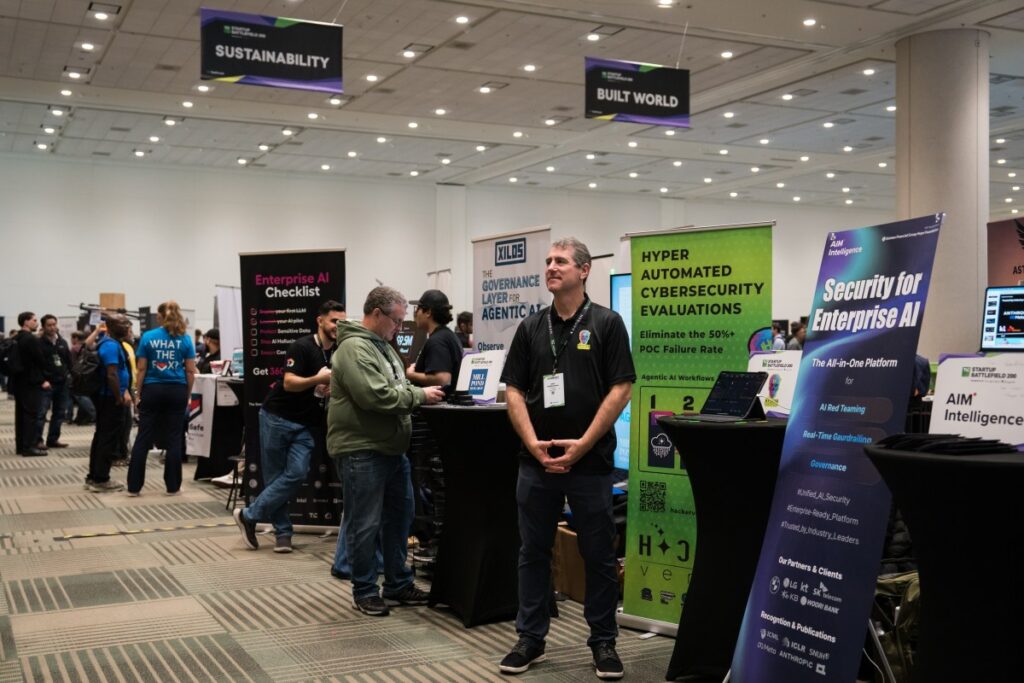
The rise of expo‑first strategies at startup events
In recent years, the traditional keynote‑centric model of tech conferences has been giving way to a more tactile, booth‑driven approach. Organisers of large‑scale gatherings such as TechCrunch Disrupt are now betting that a bustling expo hall can generate as many, if not more, high‑value connections than a single stage appearance. This shift mirrors a broader trend where investors and corporate partners prefer short, face‑to‑face demos over long‑form pitches, especially when the event attracts thousands of attendees in a compressed timeframe.
The expo‑first mindset also reflects the economics of startup fundraising. With venture capital becoming more selective, founders are looking for low‑risk ways to get in front of decision‑makers. A well‑designed booth can serve as a portable pitch deck, allowing founders to iterate on messaging in real time based on immediate audience feedback. The $12,500 price tag for a Disrupt exhibit slot therefore represents a calculated gamble: a modest upfront cost for potentially outsized exposure.
What the $12,500 exhibit package actually includes
For the fee, exhibitors receive a 10‑by‑10 foot booth space on the Moscone West expo floor, complete with basic furniture, power outlets, and Wi‑Fi connectivity. The package also bundles a listing in the official Disrupt app, a featured spot on the event’s digital agenda, and access to a private networking lounge reserved for exhibitors only. According to the TechCrunch website, the arrangement covers set‑up and tear‑down services, which can be a relief for teams travelling from abroad.
Beyond the physical infrastructure, the exhibit program grants startups a seat at a curated series of “exhibit‑only” meet‑ups. These gatherings pair founders with a rotating roster of angels, corporate innovation leads, and media representatives who have opted out of the mainstage schedule. Participants report that the intimate setting often leads to deeper conversations than the rapid‑fire Q&A sessions typical of keynote panels.
Why exhibiting at Disrupt matters for founders beyond the spotlight
Visibility at a marquee event like Disrupt can act as a credibility badge for early‑stage companies. When a startup’s logo appears on the same walls as industry heavyweights, it signals to downstream investors that the founders have cleared a high‑visibility hurdle. This perception can accelerate follow‑on meetings that would otherwise take weeks to schedule.
Equally important is the data collection advantage. Booth traffic can be quantified through badge scans and QR‑code interactions, giving founders a concrete metric of interest. In a post‑COVID world where remote due‑diligence has become the norm, these real‑time analytics help startups prioritize leads and tailor follow‑up outreach. According to a 2025 report by PitchBook, startups that secured an exhibit slot at major conferences saw a 27% higher conversion rate from initial contact to term sheet compared with those that relied solely on virtual pitches.
African startups and the Disrupt opportunity
For African founders, the Disrupt exhibit program offers a rare gateway to Silicon Valley’s investor ecosystem. While many African tech hubs—Lagos, Nairobi, Cape Town—host vibrant local events, the scale and media reach of Disrupt remain unmatched. A successful booth can attract coverage from global tech journalists, which in turn amplifies a startup’s story across diaspora networks that often act as informal bridges to capital.
Several recent examples illustrate the impact. In 2024, a Kenyan agritech firm that exhibited at Disrupt secured a $3 million seed round from a U.S. impact fund after a chance meeting in the exhibitor lounge. Similarly, a Nigerian fintech startup leveraged its booth to launch a partnership with a European payments processor, a deal that would have been difficult to negotiate remotely. These cases suggest that the expo model can help African companies bypass geographic friction and tap directly into the deal flow that usually filters through a handful of regional accelerators.
Looking ahead: how the expo model could shape 2027 funding rounds
If the current experiment proves profitable for both organisers and participants, we may see a permanent re‑balancing of conference budgets toward exhibit space. Venture firms are already signalling a willingness to allocate a larger share of their scouting budget to on‑the‑ground booth visits, according to a recent survey by CB Insights. This could mean that by 2027, a startup’s fundraising deck will list “exhibit footprint” alongside “product‑market fit” as a key metric.
For African ecosystems, the implication is clear: building the logistical capacity to ship hardware, set up booths, and manage on‑site staff will become a competitive advantage. Governments and incubators that subsidise travel and exhibition costs could see a ripple effect in terms of foreign investment. In the long run, the expo‑first approach may democratise access to global capital, provided that local support structures keep pace with the growing appetite of African innovators to showcase themselves on the world stage.
Quick Answers
How much does a TechCrunch Disrupt 2026 exhibit slot cost?
The standard exhibit package is priced at $12,500 and includes a 10‑by‑10 foot booth, power, Wi‑Fi, and promotional placement in the event app.
Can African startups benefit from exhibiting at Disrupt?
Yes; recent cases show African founders gaining seed funding and strategic partnerships after showcasing at the expo hall.
What are the key advantages of an exhibit over a keynote slot?
Exhibiting offers continuous, one‑on‑one interaction with investors, real‑time data on visitor interest, and lower preparation costs compared with a full‑stage presentation.
Source: techcrunch.com




💬 Comments 0