Tesla China recall 2026: Over 4 million EVs pulled, impact on African markets and global supply chains
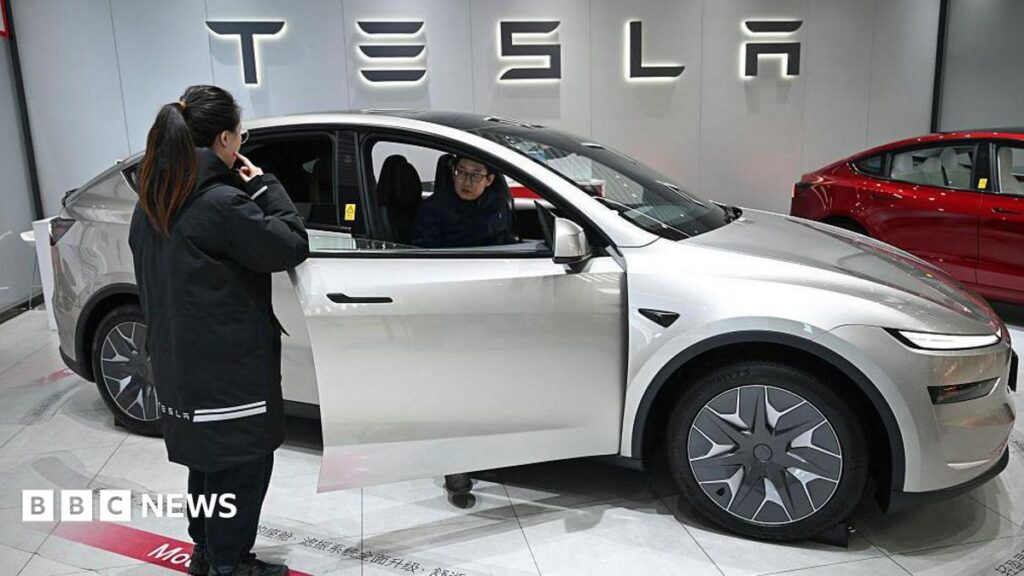
Unprecedented scale: the biggest car recall in Chinese history
In March 2026 Chinese regulators announced a recall that will affect more than four million electric vehicles, making it the largest product pull‑back ever recorded in the country’s automotive sector. The list includes models from Tesla, local rivals XPeng and Xiaomi, as well as a handful of lesser‑known manufacturers that have been riding the EV boom.
The recall covers a wide range of vehicles, from Tesla’s Model 3 and Model Y produced at the Shanghai Gigafactory to XPeng’s G6 SUV and Xiaomi’s newly launched electric sedan. The sheer number of affected cars—equivalent to roughly 10 % of all EVs on Chinese roads—has prompted the State Administration for Market Regulation (SAMR) to label the episode a “national safety emergency.”
Technical trigger: battery management software glitches
According to the SAMR’s notice, the core issue lies in a software defect that can cause the battery management system to misread temperature thresholds, potentially leading to overheating during fast‑charging. The flaw was first flagged by independent safety testers in late 2025, but manufacturers delayed a public fix while attempting an over‑the‑air patch.
Tesla’s Chinese‑made Model 3 and Model Y were the first to be singled out because the defect was linked to a specific batch of lithium‑ion cells sourced from a supplier that also provides components to XPeng and Xiaomi. While no fatal accidents have been reported, the risk of fire prompted regulators to demand a full hardware replacement for the affected modules.
Global ripple effects: supply chains, pricing and investor confidence
The recall has immediate consequences for the global EV supply chain. The affected battery cells are produced by a joint venture between CATL and a Taiwanese firm, and the sudden demand for replacements is expected to strain production capacity for the rest of 2026. Analysts at BloombergNEF estimate a short‑term price bump of 3‑5 % for comparable battery packs worldwide.
Investors reacted swiftly: Tesla’s Shanghai‑listed shares fell 4.2 % on the day of the announcement, while XPeng and Xiaomi saw declines of 6 % and 8 % respectively. The episode has also revived skepticism among European and North American regulators, who have been monitoring Chinese EV safety standards closely after a series of smaller recalls in 2024‑25.
Why African markets should care: import pipelines and local EV ambitions
Africa’s nascent EV market is heavily dependent on imports from China, with Kenya, South Africa and Nigeria accounting for the bulk of Chinese‑made electric cars arriving on the continent. A disruption in the supply of safe battery modules could delay planned roll‑outs of electric taxis in Nairobi and the Kigali‑based ride‑hailing fleet that recently pledged to go fully electric by 2028.
Moreover, several African governments have incorporated Chinese EVs into their climate‑action roadmaps. South Africa’s National EV Strategy, released in 2025, earmarked 200,000 imported electric cars for the first three years, many of which are expected to be XPeng or Xiaomi models. A prolonged recall could force policymakers to reconsider procurement timelines and potentially shift attention to locally assembled alternatives, such as the upcoming joint venture between Kenya’s Mobius Motors and a German battery firm.
The diaspora community also feels the tremor. Nigerian and Ghanaian expatriates in Guangzhou who own Tesla Model 3s have reported being contacted by the automaker for a free service appointment. The logistical hassle of returning to China for repairs adds a layer of inconvenience that may dampen enthusiasm for high‑priced imports among overseas Africans who often act as early adopters and brand ambassadors back home.
Looking ahead: regulatory tightening and industry adaptation
Chinese regulators have signaled that future recalls will be subject to stricter reporting deadlines and heavier fines. A draft amendment to the Product Quality Law, expected to be tabled in the National People’s Congress later this year, would require manufacturers to issue a public safety notice within 48 hours of identifying a defect that could cause fire or injury.
For manufacturers, the recall is a catalyst to accelerate the shift toward more robust over‑the‑air (OTA) update capabilities. Tesla has already pledged to roll out a permanent firmware fix that can be installed without returning the vehicle to a service center, a move that could set a new industry standard. XPeng, meanwhile, announced a partnership with a German software firm to develop a “dual‑verification” system for battery temperature sensors, aiming to restore consumer confidence before the end of 2026.
African stakeholders are watching these developments closely. Trade associations such as the African Automotive Manufacturers Association (AAMA) have urged local importers to demand proof of compliance with the updated safety protocols before finalizing purchases. Meanwhile, venture capital funds focused on African mobility are re‑evaluating their exposure to Chinese EV startups, with some shifting capital toward home‑grown battery research initiatives.
Quick Answers
How many vehicles are being recalled in China due to the Tesla battery software issue?
More than four million electric vehicles, including models from Tesla, XPeng and Xiaomi, are part of the 2026 recall.
Will the recall affect electric cars already sold in African markets?
Yes, many African imports come from the same Chinese factories, so owners may need to bring their cars to authorized service centers for hardware replacement or OTA updates.
What is the main cause of the recall?
A software defect in the battery management system that can misread temperature data, increasing the risk of overheating during fast charging.
Source: www.bbc.co.uk




💬 Comments 0