Tesla, Uber, Waymo granted Nevada robotaxi permits for 8,000 autonomous cars in 2026
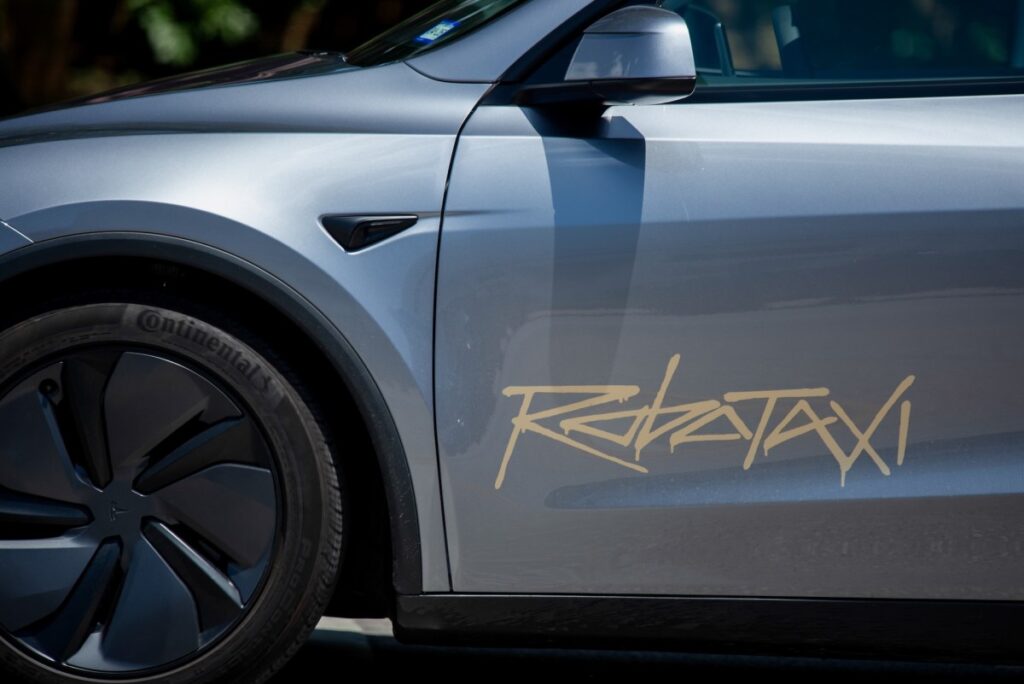
Background: Nevada becomes the first US state to green‑light mass robotaxi fleets
In March 2026 the Nevada Department of Transportation approved a batch of permits that collectively allow Tesla, Uber’s autonomous unit and Alphabet’s Waymo to operate up to 8,000 robotaxis across the state within the next twelve months. The decision follows a series of pilot programmes that began in 2023, when the state first issued a limited number of autonomous‑vehicle testing licences.
Nevada’s regulatory framework is unusually permissive because the state sees autonomous mobility as a catalyst for economic diversification beyond its traditional gaming and mining sectors. The permits cover a mix of fully driver‑less vehicles and those with safety drivers, reflecting each company’s current technology readiness level.
The approval also marks the first time three major players receive simultaneous authorisation for large‑scale deployment, moving the conversation from isolated trials to a competitive, multi‑operator market.
What the permits actually enable: numbers, routes and technology
The combined allowance of 8,000 robotaxis translates to roughly 2,600 vehicles per company, though each firm will decide how many to roll out based on fleet readiness and local demand. Tesla plans to use its Full Self‑Driving (FSD) software on its Model Y SUVs, while Waymo will continue with its custom‑built Chrysler Pacifica minivans equipped with lidar and radar arrays. Uber’s autonomous division, operating under the brand Uber ATG, will field a fleet of modified Volvo XC90s that still carry a safety driver in the early phase.
All three operators must submit detailed route plans to the state regulator. The approved corridors focus on high‑traffic corridors between Las Vegas, Reno and smaller satellite towns, with a particular emphasis on airport shuttles and tourist‑heavy zones. The permits also require real‑time data sharing with Nevada’s traffic‑management centre, a move intended to improve safety oversight.
Technologically, the permits do not force a uniform standard; each company can continue to refine its sensor suite and AI stack. However, the state mandates a minimum safety performance benchmark – a disengagement rate of fewer than one per 10,000 miles – that all three must meet before expanding beyond the initial zones.
Why it matters for the United States and the global autonomous‑vehicle race
The Nevada decision signals that regulators are moving from cautious experimentation to commercial scaling. By allowing thousands of driverless cars on public roads, the state is effectively creating a living laboratory for the United States to test the economic viability of autonomous mobility at scale.
Analysts see the move as a bellwether for other states that have been slower to act, such as California and Texas, where legislative inertia has delayed large‑scale roll‑outs. If the Nevada pilots demonstrate reliable safety metrics and profitable operations, they could accelerate the adoption of similar frameworks nationwide.
Globally, the United States is now competing more directly with China’s Baidu Apollo and Europe’s Waymo‑partnered projects in the United Kingdom and Germany. The ability to deploy thousands of vehicles quickly gives American firms a data advantage that could translate into better AI models, lower per‑mile costs and, ultimately, a stronger position in the emerging $200 billion global robotaxi market projected for the early 2030s.
Implications for Africa: lessons, opportunities and challenges
African cities face acute mobility challenges, from congested urban cores to limited public‑transport coverage. The Nevada rollout offers a concrete case study of how large‑scale autonomous fleets can be integrated into existing transport ecosystems, something many African policymakers have been watching with interest.
A handful of African tech hubs, including Nairobi’s “Silicon Savannah” and Lagos’s growing AI community, have already begun experimenting with autonomous shuttles for university campuses and industrial parks. The Nevada permits provide data on fleet management, regulatory reporting and safety‑incident handling that could inform the design of continent‑specific frameworks, especially around issues such as road‑infrastructure quality and mixed traffic of bicycles, motorcycles and informal taxis.
Moreover, the commercial success of robotaxis in Nevada could attract investment into African mobility startups seeking to leapfrog traditional car‑ownership models. Venture capitalists have noted that the cost‑per‑kilometre of autonomous rides is expected to drop below $0.50 within the next five years, a price point that could make on‑demand driverless transport viable even in lower‑income markets. However, challenges remain, including the need for reliable high‑definition maps, 5G connectivity and clear liability laws – all areas where African regulators will need to move in tandem with technology providers.
What’s next: rollout timelines, monitoring and the road ahead
All three companies have pledged to begin limited commercial service by the fourth quarter of 2026, with a staged expansion over the following year. Nevada’s regulator will conduct quarterly safety audits and will have the authority to suspend or revoke licences if the disengagement threshold is breached.
Industry observers expect the first wave of robotaxis to focus on high‑margin routes such as airport‑city centre shuttles, where demand is predictable and fare structures can be premium‑priced. As data accumulates, companies will likely broaden coverage to residential neighbourhoods, testing dynamic pricing models that could influence how future autonomous fleets are monetised globally.
For African stakeholders, the next step is to translate these insights into local pilots. Several municipal governments in South Africa, Kenya and Ghana have already signed memoranda of understanding with U.S. firms to explore limited‑scale deployments in 2027. The success—or failure—of Nevada’s massive rollout will shape those negotiations, potentially determining whether Africa becomes a downstream market for imported robotaxi services or a breeding ground for home‑grown autonomous mobility solutions.
Quick Answers
How many robotaxis are Tesla, Uber and Waymo allowed to operate in Nevada?
The three companies together received permits for up to 8,000 robotaxis over the next twelve months.
When will the robotaxi services start operating in Nevada?
All three firms aim to launch limited commercial service by Q4 2026, with a gradual expansion through 2027.
Why is the Nevada robotaxi rollout important for African cities?
It provides a real‑world model for scaling autonomous fleets, offering data on safety, regulation and economics that African planners can adapt for local mobility challenges.
Source: techcrunch.com



💬 Comments 0