Thai Queen Suthida’s First Solo Fighter Jet Flight in 2026 Sparks Gender and Defence Debate
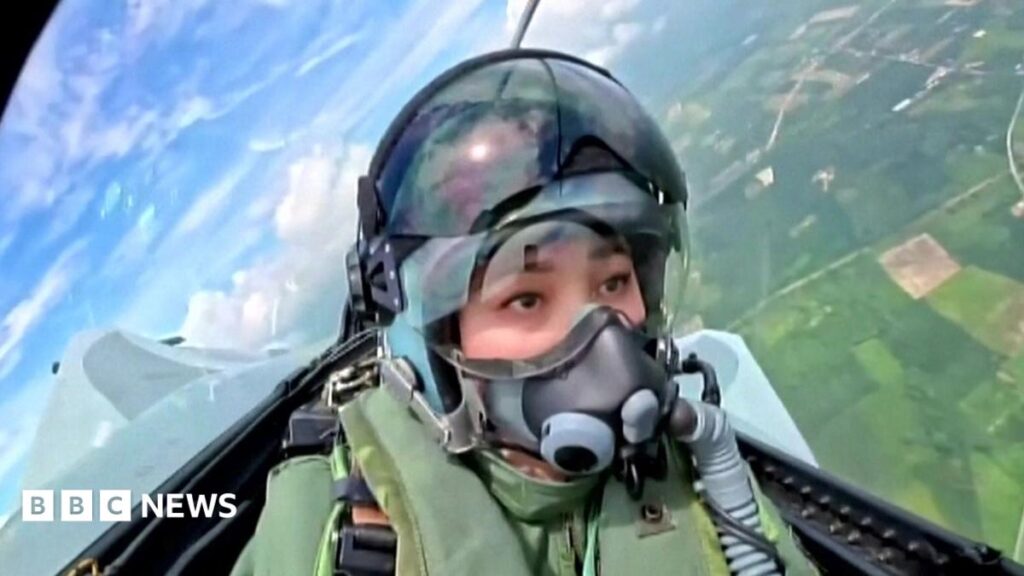
Royal tradition meets modern aviation
On 9 October 2026, Thailand’s queen consort, Suthida Bajrasudhabho, took the controls of a single‑engine fighter jet for the first time, a move confirmed by the Royal Household. The aircraft, a domestically assembled F‑5E, is part of the Royal Thai Air Force’s training fleet, and the queen’s solo sortie lasted roughly ten minutes over the base at Nakhon Phanom.
The Thai monarchy, long revered for its ceremonial role, has increasingly embraced public appearances that highlight national achievements. Queen Suthida’s flight follows a series of high‑profile engagements, from opening the new MRT line in Bangkok to attending the ASEAN summit, signalling a shift toward a more visible, modern royal image.
Why the flight matters beyond the palace walls
The event is more than a royal curiosity; it underscores Thailand’s effort to project a progressive stance on gender roles in traditionally male‑dominated fields. While women have served as pilots in the Royal Thai Air Force for decades, a queen taking the cockpit draws unprecedented media attention and could inspire a new generation of female aviators.
In the broader Southeast Asian context, the flight arrives at a time when neighboring countries are expanding their air forces and courting foreign defence partners. By showcasing a royal endorsement of the air force, Thailand may be signaling readiness for deeper collaboration with aircraft manufacturers from the United States, Europe, or China, a factor that could reshape regional procurement dynamics.
African parallels: women in the cockpit and defence diplomacy
Across the continent, several African nations are grappling with similar questions of gender inclusion and military modernisation. Ethiopia’s first female fighter pilot, Lieutenant Colonel Almaz Tadesse, made headlines in 2024, while Kenya recently appointed its first female commander of an air‑force squadron. Queen Suthida’s flight adds a royal endorsement to this trend, offering a high‑profile example that African monarchies such as Eswatini or Lesotho could reference when promoting gender equity in their own armed forces.
The symbolism also resonates with Africa’s growing defence‑industry ties to Asian partners. Thailand’s defence sector has been courting African markets for light aircraft and training programmes. A publicized royal flight can serve as soft‑power marketing, suggesting a modern, inclusive partner for countries like Nigeria or Ghana that are seeking to diversify their military procurement beyond traditional Western sources.
Public and diplomatic reactions
Thai netizens responded with a mix of pride and amusement, flooding social media with memes that paired the queen’s image with classic fighter‑jet sound bites. Some commentators, however, warned that the stunt could be seen as a distraction from pressing economic challenges, a critique echoed by opposition parties in parliament.
Internationally, the flight attracted coverage from defence analysts in Europe and Asia, who noted the potential for Thailand to leverage the royal endorsement in upcoming air‑show exhibitions. A senior official at the Thai Ministry of Defence, speaking on condition of anonymity, said the event could help attract joint‑training deals with African air forces looking to upgrade their pilot curricula.
What comes next for Thailand and its African partners?
The royal flight is expected to be followed by a series of public outreach events, including a visit to the Air Force Academy where the queen will meet cadets. Analysts predict that the visibility boost could accelerate Thailand’s participation in the “Asia‑Africa Air Connect” initiative, a platform aimed at facilitating aircraft maintenance cooperation and pilot exchange programmes between Asian and African nations.
For African states, the queen’s flight may serve as a case study in how cultural diplomacy can complement hard‑security cooperation. Nations such as Ghana, which recently signed a memorandum of understanding with Thailand on aerospace education, could cite the event when lobbying for more joint training slots or technology transfers.
Quick Answers
What type of jet did Queen Suthida fly?
She piloted a domestically assembled F‑5E fighter jet belonging to the Royal Thai Air Force.
Why is the queen’s solo flight significant for Africa?
It highlights a high‑profile endorsement of women in combat aviation, echoing similar breakthroughs in African air forces and supporting defence‑industry ties between Thailand and African nations.
Could this event affect Thailand’s defence deals with African countries?
Yes, the royal endorsement is likely to be used as soft‑power leverage in negotiations for aircraft training, maintenance cooperation, and technology transfer with African partners.
Source: www.bbc.co.uk




💬 Comments 0