Thai Red Cross Halloween Blood Drive in Bangkok Boosts Donations – 2026 Trend for Africa
A seasonal squeeze on blood supplies
Every year, hospitals across the world grapple with a dip in blood donations during the holiday season. In Thailand, the end‑of‑year rush of school exams and the monsoon‑related illnesses combine to tighten the supply chain just when trauma cases rise. The Thai Red Cross Society, which provides roughly 80 % of the nation’s blood, routinely launches campaigns to keep the taps open, but conventional appeals have struggled to capture the attention of younger donors who view blood donation as a routine chore rather than a civic act.
The problem is not unique to Bangkok. Across Sub‑Saharan Africa, the World Health Organization estimates that only about 30 % of the blood needed for medical procedures is actually collected, with many countries relying on family‑replacement donors rather than voluntary, non‑remunerated donors. Shortages translate into higher mortality for obstetric emergencies, surgical patients, and children with severe anemia. Creative outreach, therefore, is not just a marketing gimmick; it can be a matter of life and death.
Costumes, music and syringes – the Bangkok event
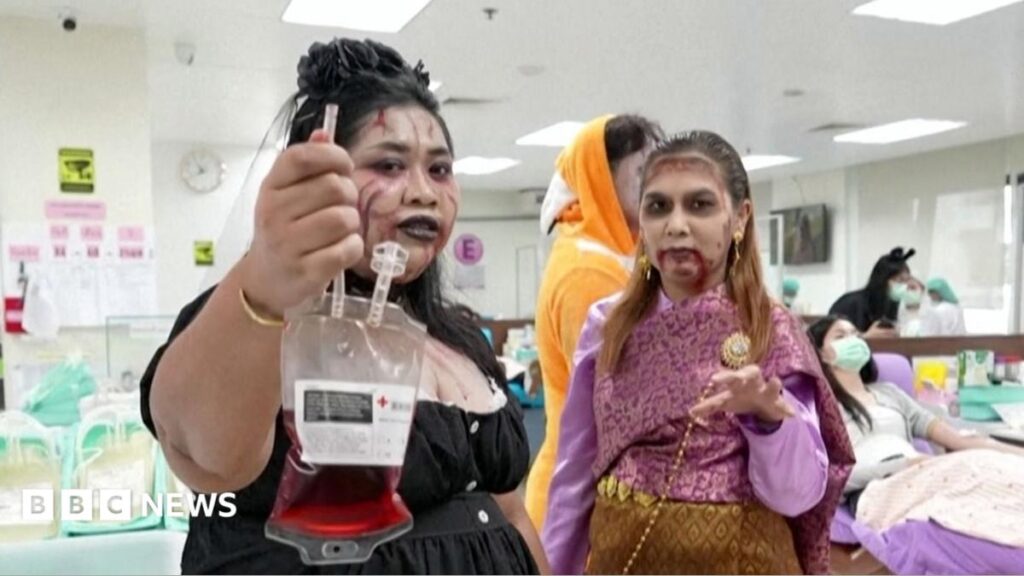
On October 31, 2026, the Thai Red Cross turned the conventional donation centre on Silom Road into a pop‑culture playground. Staff and volunteers arrived dressed as classic horror icons – vampires, mummies, and even a giant, friendly ghost – while upbeat techno remixes of traditional Thai songs filled the waiting area. Over the three‑day “Spooky Blood Fest,” more than 1,200 donors signed up, a 28 % increase compared with the same period last year, according to the Red Cross’s internal report.
The event also leveraged social media. A hashtag campaign #BloodIfYouDare trended on Twitter Thailand, encouraging participants to post short videos of their costume transformations. Influencers with followings in the 500‑thousand‑plus range were invited to donate on camera, creating a ripple effect that reached university campuses and corporate offices. The combination of visual spectacle and peer‑driven validation turned a routine medical procedure into a shareable experience.
Why the spectacle matters beyond Thailand
Health experts argue that the psychological barrier to blood donation is often rooted in fear and a lack of personal relevance. By framing the act within a festive, communal setting, the Thai Red Cross reduced the perceived seriousness of needles and replaced it with a sense of belonging. A study published earlier this year in the *Journal of Public Health Innovation* found that themed donation drives can lift participation rates by up to 35 % among first‑time donors, especially when the theme aligns with a culturally resonant holiday.
For African nations wrestling with chronic shortages, the Thai model offers a low‑cost template. The core ingredients – costume incentives, music, and a strong social‑media push – require minimal investment compared with large‑scale advertising campaigns. Moreover, the approach dovetails with existing community gatherings such as Nigeria’s “Eid al‑Fitr” feasts or Kenya’s “Madaraka” youth festivals, where large crowds already converge.
From Bangkok to Lagos: emerging trends in health‑themed events
Across the continent, health ministries are experimenting with similar tactics. In Lagos, the state health agency partnered with local fashion designers in July 2026 to host a “Runway for Red” blood drive during the Lagos Fashion Week, drawing over 900 donors in a single afternoon. Meanwhile, South Africa’s National Blood Service launched a “Music‑and‑Meds” series in Cape Town, where live bands performed while donors waited, boosting weekend collections by 22 % during the pilot phase.
These initiatives reflect a broader shift toward experiential public‑health outreach, a trend accelerated by the pandemic’s digital acceleration. According to the African Development Bank’s 2025 health‑communication report, campaigns that embed health messages within entertainment contexts see higher recall rates among youths aged 18‑30, a demographic that traditionally contributes the smallest share of voluntary donations.
What’s next for Thailand and for Africa?
The Thai Red Cross plans to replicate the Halloween model in other regions, targeting university towns during the local “Songkran” water‑festival in April 2027. Organisers are also testing a “virtual costume” app that lets donors design avatars before they arrive, a move meant to attract tech‑savvy millennials and diaspora members who follow Thai cultural events from abroad. Early feedback suggests the digital layer could increase repeat donations by 15 % within six months.
African health ministries are watching closely. The West African Health Organization (WAHO) has invited Thai officials to a knowledge‑exchange workshop in Accra later this year, hoping to adapt the costume‑driven model to local festivals such as Ghana’s “Homowo” harvest celebration. If successful, the ripple effect could add an estimated 200,000 new voluntary donors across the region by 2029, according to a feasibility study commissioned by the African Union’s Centre for Disease Control.
Quick Answers
How many people donated blood at the Thai Red Cross Halloween drive?
More than 1,200 donors signed up during the three‑day event, a 28 % rise over the same period last year.
Can themed blood drives help solve Africa’s blood shortage?
Yes; pilots in Nigeria and South Africa show that linking donations to popular festivals can lift collection rates by 20‑35 % among first‑time donors.
What are the next steps for the Thai Red Cross after the Halloween event?
The society plans to repeat the concept during Songkran in 2027 and launch a virtual‑costume app to encourage repeat donations.
Source: www.bbc.co.uk




💬 Comments 0