Thomas Markle Investigation in Cebu, Philippines 2026: What It Means for the Royal Family and Global Media
Background: Who is Thomas Markle and why he ended up in the Philippines
Thomas Markle, the estranged father of Prince Harry, first entered the global spotlight when he attended his son’s wedding to Meghan Markle in 2018. Since then, his relationship with the British royal family has been fraught, marked by public disputes, legal battles over privacy, and a series of personal setbacks that saw him relocate several times.
In early 2026, reports surfaced that Thomas had moved to the Philippines, settling in a modest house on the outskirts of Cebu City. Sources close to the family said the move was motivated by a combination of financial strain and a desire to stay out of the UK media glare. The Philippines, with its relatively low cost of living and a sizable expatriate community, offered a discreet haven for the former American art dealer.
The presence of a member of the extended British royal circle in Cebu quickly attracted the attention of local authorities after a complaint was lodged by a business partner alleging irregularities in a property transaction. While the exact details remain under investigation, the case has thrust a traditionally private figure into the middle of a cross‑border legal dispute.
The Investigation: Allegations, agencies involved and timeline
Philippine police announced on 12 October 2026 that they were opening a formal investigation into Thomas Markle for alleged involvement in a fraudulent real‑estate deal that reportedly cost more than US$1.2 million. According to a statement from the Cebu City Police Department, the probe focuses on whether Markle misrepresented his financial capacity to secure a loan for a beachfront property that was later sold at a loss.
The investigation is being coordinated by the National Bureau of Investigation (NBI), which has jurisdiction over cases involving foreign nationals and potential money‑laundering activities. Officials said they have secured a warrant to freeze assets linked to the transaction and are interviewing witnesses, including a Filipino real‑estate broker who claims Markle signed documents under duress.
Thomas Markle’s legal team, represented by a Manila‑based attorney, has denied any wrongdoing, arguing that the allegations are “baseless” and stem from a personal dispute. The lawyer also warned that any arrest could trigger diplomatic discussions between the United Kingdom and the Philippines, given the high‑profile nature of the individual involved.
Media Spotlight: Why the BBC sent a correspondent to Cebu
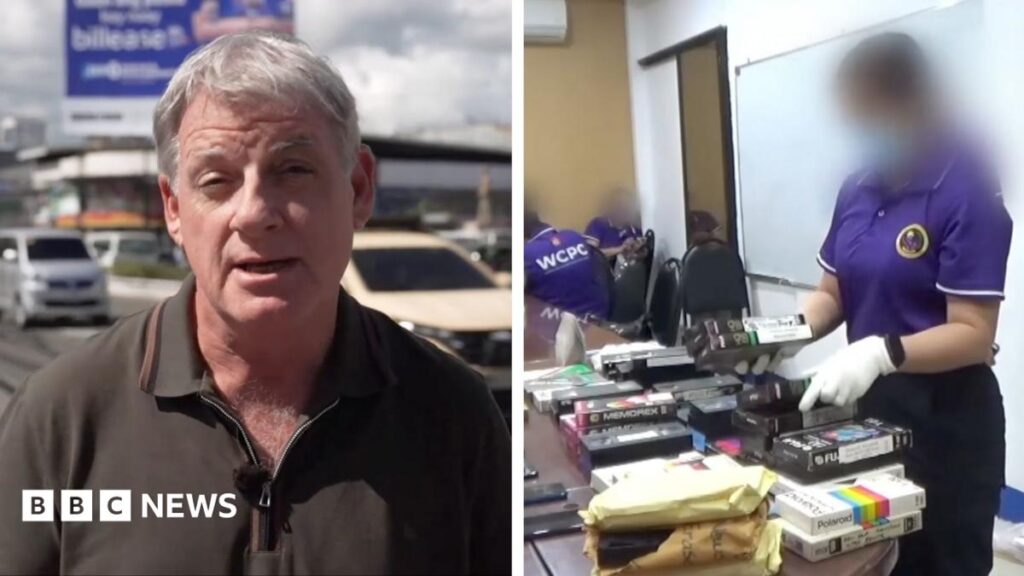
BBC Africa correspondent Jonathan Head arrived in Cebu on 15 October, positioning his camera outside the modest house where Markle was last seen. The BBC’s decision to dispatch a reporter to a relatively remote part of the Philippines reflects the outlet’s strategy of covering stories that intersect royalty, legal drama, and international relations – topics that attract a global audience.
Head’s presence also underscores a broader trend among Western news organisations: deploying journalists to the peripheries of major news cycles to capture “on‑the‑ground” footage that can be repurposed for multiple platforms. By broadcasting live from the neighbourhood, the BBC aims to provide a real‑time narrative that rivals the fast‑moving coverage on social media.
Local Filipino media have been quick to pick up the BBC footage, adding their own commentary on how the case could affect tourism and foreign investment in Cebu. Some commentators worry that the spotlight on a foreign celebrity could distract from pressing domestic issues, such as the upcoming local elections in November.
Why It Matters Globally: Impact on the British monarchy and legal precedent
Although Thomas Markle is not a working member of the royal family, any legal entanglement involving him inevitably reflects on Prince Harry and, by extension, the institution of the monarchy. Royal watchers note that the case arrives at a time when the palace is already grappling with internal dissent and public criticism over its handling of past scandals.
If the investigation leads to criminal charges, it could force the royal household to adopt a more defensive posture, potentially limiting Prince Harry’s ability to speak openly about family matters. Analysts from the London School of Economics have suggested that a conviction might “accelerate the distancing of the senior royals from Harry and Meghan’s media ventures,” especially given the couple’s ongoing Netflix contracts that generate significant revenue.
Beyond the royal family, the case could set a precedent for how foreign jurisdictions handle allegations against high‑profile expatriates. The Philippines has previously pursued cases against celebrities and businessmen from abroad, but a direct link to the British royal circle adds a diplomatic dimension that could influence future cooperation agreements on cross‑border financial crimes.
African and Diaspora Interest: How the story resonates on the continent
Across Africa, the saga has sparked a surprisingly robust conversation about colonial legacies, media representation, and the relevance of the British monarchy to African audiences. In Nigeria, for example, several popular talk shows have framed the investigation as a reminder that “royal privilege does not grant immunity from the law,” a sentiment that resonates with younger viewers who are increasingly skeptical of inherited power structures.
African diaspora communities in the United Kingdom and the United States have also taken to social media to discuss the implications of the case for the broader narrative of the royal family’s modernisation. A Lagos‑based influencer, who focuses on UK‑Africa cultural exchange, posted a video asking whether the monarchy should continue to be a cultural touchstone for African nations that still recognise the British Crown in ceremonial contexts.
From a media perspective, African newsrooms are watching the BBC’s coverage style closely. Many editors see an opportunity to adopt a “local‑first” angle that contextualises the story within African legal frameworks, thereby offering readers a perspective that Western outlets typically overlook. This could lead to a new wave of cross‑regional journalism that blends global intrigue with African relevance.
What’s Next: Possible outcomes and diplomatic ripple effects
Legal experts predict three likely scenarios: a swift settlement, a protracted trial, or a diplomatic intervention that results in the case being dropped. A settlement could involve repayment of the alleged loss and a confidentiality clause, allowing the royal family to avoid further embarrassment. A trial, however, would keep the story in the headlines for months and could force the UK government to issue a formal diplomatic note to Manila.
Regardless of the legal outcome, the investigation is likely to influence future travel decisions for members of the extended royal family. Security advisers may recommend avoiding jurisdictions where the legal environment is unpredictable, especially if the case triggers media scrutiny that could affect the monarchy’s brand.
For the BBC and other international broadcasters, the Cebu episode may become a case study in how to balance sensationalism with responsible reporting. The network’s editorial team has already signalled that they will continue to monitor the situation, promising updates as the investigation progresses. Meanwhile, African media outlets are poised to provide their own analyses, potentially shaping a narrative that places the story within a broader conversation about power, accountability, and post‑colonial identity.
Quick Answers
What is Thomas Markle being investigated for in the Philippines?
He is reportedly under investigation for alleged involvement in a US$1.2 million property fraud case linked to a beachfront deal in Cebu, according to Philippine authorities.
How could the investigation affect Prince Harry’s relationship with the British monarchy?
Legal trouble for his father could intensify scrutiny on Harry’s public statements and may pressure the palace to further distance itself, as noted by royal analysts.
Will African media cover the Thomas Markle story differently?
African outlets often frame royal scandals within discussions of colonial legacy and media freedom, offering a distinct perspective that differs from Western coverage.
Source: www.bbc.co.uk



💬 Comments 0