Three Saudi nationals killed in Houthi missile strike on Riyadh airport, 2026 – impact on Saudi‑Yemen war and African diaspora
Background: The widening Saudi‑Yemen conflict
The Houthi movement, officially known as Ansar Allah, has been fighting the Saudi‑backed Yemeni government since 2015. Backed by Iran, the rebels have increasingly turned to long‑range missiles and drones to pressure Saudi Arabia, the coalition leader, into halting its air campaign over Yemen.
In recent months the group has stepped up attacks on Saudi infrastructure, targeting oil facilities, shipping lanes in the Red Sea and, for the first time, a civilian airport in the capital. The escalation follows a series of diplomatic setbacks for the Houthis, including the United Nations‑brokered ceasefire talks that stalled in early 2026.
What happened at Riyadh’s King Khalid International Airport
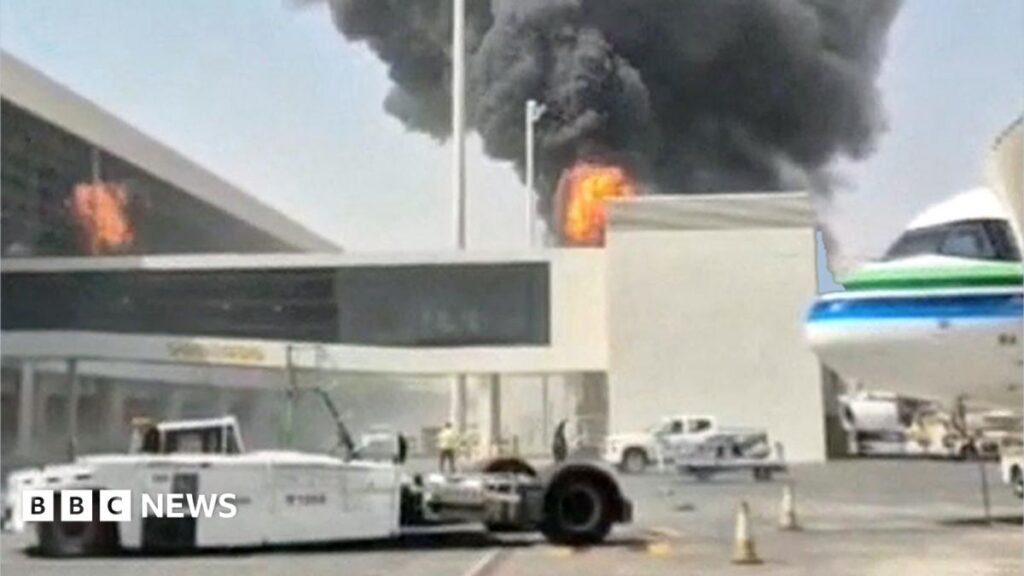
On 7 October 2026, two missiles struck the perimeter of King Khalid International Airport, near the main passenger terminal. Saudi officials confirmed that three Saudi nationals were killed and several others injured. The missiles were intercepted by the kingdom’s air‑defence system, but not before the projectiles hit a parking area used by ground‑handling staff.
The Saudi Ministry of Interior released a brief statement saying the attack was “a blatant act of aggression by the Houthi rebels” and vowed a “proportionate response.” No Houthi claim of responsibility had been made public at the time of reporting, but the group has previously boasted of striking deep inside Saudi territory.
Why the attack matters beyond the immediate casualties
The strike signals a new level of reach for the Houthis, showing they can hit high‑profile civilian targets far from the Yemeni border. Analysts say this raises the risk of further attacks on Saudi public infrastructure, potentially disrupting air travel and tourism that contributes roughly $6 billion to the kingdom’s GDP each year.
For African economies, the implications are indirect but significant. Saudi Arabia is a major source of remittances for African migrant workers, especially Nigerians, Sudanese and Eritreans who serve in domestic or construction jobs. An uptick in security alerts could lead to tighter visa regimes, curbing the flow of labor that underpins household incomes in parts of West and East Africa.
African diaspora and labour market repercussions
Nigeria alone sends an estimated 1.5 million workers to the Gulf, many of whom are employed in Saudi households. According to the Nigerian Ministry of Labour, remittances from Saudi Arabia accounted for about $1.2 billion in 2025, roughly 2 % of Nigeria’s total foreign inflows. Any slowdown in recruitment or heightened security checks could shrink that figure, tightening already‑stretched household budgets.
In addition, the Red Sea shipping attacks that the Houthis have been conducting since early 2024 have forced container ships to reroute around the Cape of Good Hope. This adds 10‑15 days to voyages from Asia to Europe, inflating freight costs for African exporters of coffee, cocoa and textiles. The Riyadh airport strike may push Saudi authorities to further militarise the Red Sea corridor, potentially complicating the logistics chain for African exporters that rely on Saudi ports such as Jeddah and Dammam.
International and regional reactions
The United States condemned the attack, calling it “a dangerous escalation that threatens civilian lives.” The Pentagon confirmed that U.S. intelligence assets are monitoring Houthi missile capabilities more closely, but stopped short of promising direct military assistance to Saudi Arabia.
African diplomatic missions in Riyadh, including those of Kenya and Ethiopia, issued statements urging the Saudi government to protect all civilians, regardless of nationality, and to keep the airport fully operational for African travelers. Kenya’s ambassador to Saudi Arabia, Dr. Miriam N. Karanja, warned that “any disruption to air links harms trade, tourism and the many Kenyan families who depend on earnings from the Gulf.”
What’s next: Potential fallout and African stakes
Saudi Arabia is expected to ramp up its defensive posture, possibly deploying additional Patriot missile batteries around major civilian hubs. A stronger security footprint could mean higher operational costs for airlines and higher ticket prices, which will disproportionately affect African tourists and business travelers who already face premium fares.
On the diplomatic front, the attack may revive pressure on the United Nations to push for a renewed ceasefire in Yemen. African Union members have called for a “regional solution” that addresses the humanitarian crisis in Yemen while preventing spill‑over effects on African economies linked to Gulf trade. If a ceasefire were achieved, it could stabilise Red Sea shipping lanes and protect the flow of goods that sustain African export markets.
Quick Answers
How many people were killed in the Houthi attack on Riyadh airport?
Three Saudi nationals were confirmed dead after missiles struck the airport on 7 October 2026.
Will the attack affect African workers in Saudi Arabia?
Yes, tighter security and possible visa restrictions could reduce hiring of African migrant workers, cutting remittance flows to countries like Nigeria.
What impact could the attack have on African trade through the Red Sea?
Increased militarisation of the Red Sea may raise freight costs and delay shipments for African exporters, as ships are forced to take longer routes around the Cape of Good Hope.
Source: www.bbc.co.uk




💬 Comments 0