Trump Administration Pursues Citizenship Revocation for Ilhan Omar, Sparking Controversy
Background
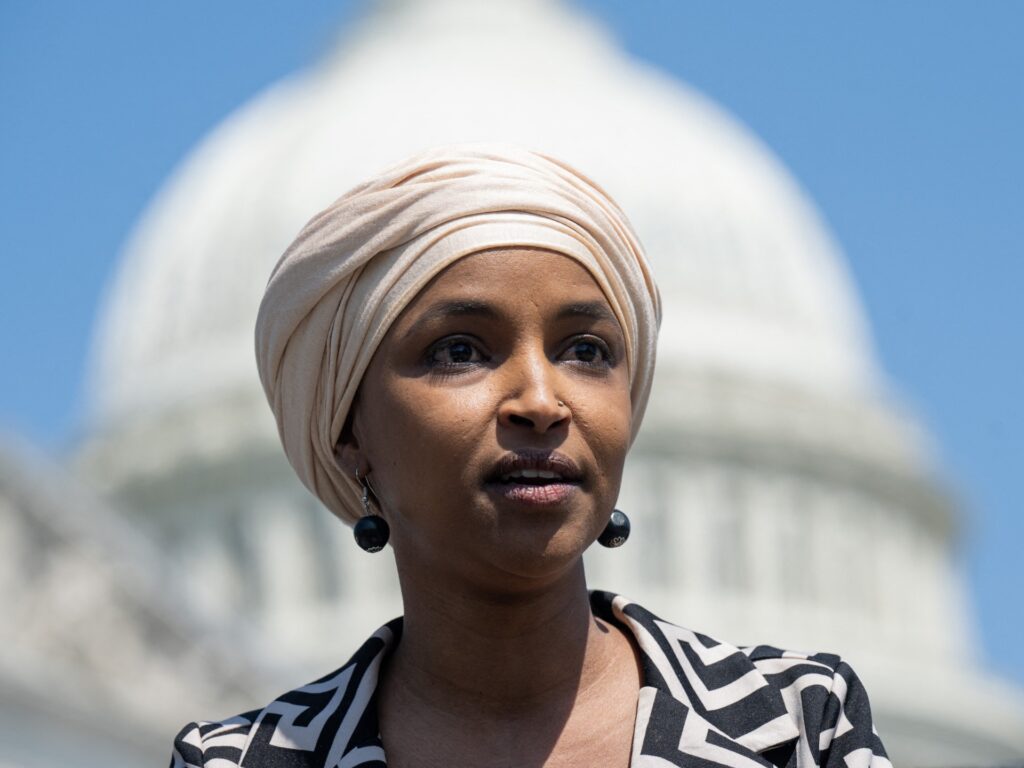
Ilhan Omar, born in Somalia in 1981, fled civil war and later settled in the United States, becoming a natural‑citizen in 2004. In 2018 she was elected as the first Somali‑American member of Congress, representing Minnesota’s 5th District. Her tenure has been marked by outspoken critiques of U.S. foreign policy in the Middle East, support for Palestinian rights, and advocacy for progressive domestic reforms.
Omar’s political positions have attracted both praise and criticism. While her supporters hail her as a voice for marginalized communities, opponents accuse her of aligning too closely with extremist narratives. She has faced investigations by the House Committee on Oversight and Reform and the Department of Justice regarding her alleged ties to foreign entities, though no charges have been filed. The controversy surrounding her has amplified the broader debate over the role of immigrant politicians in American governance.
The 2024 election cycle intensified scrutiny of Omar’s background. She faced a congressional ethics investigation over a 2019 incident in which a staffer allegedly stole her personal information. Although the inquiry concluded without formal charges, the episode added to a growing list of controversies that opponents have leveraged to question her eligibility to serve.
What Happened
The Trump administration has reportedly begun a formal process to revoke Omar’s U.S. citizenship, according to a report by the Wall Street Journal. The move involves subpoenaing relatives of Omar and reviewing her immigration documents, including her naturalization papers and any prior visa records. The Department of Justice claims that Omar may have committed fraud during her naturalization process, a claim that remains unsubstantiated in public court filings.
The legal basis for revocation stems from 8 U.S.C. § 1452, which allows the government to strip citizenship if it was obtained through fraud or misrepresentation. While the statute has rarely been invoked against sitting members of Congress, the DOJ has historically used it in cases involving foreign nationals who later became U.S. citizens, such as former Afghan asylum seekers. No formal indictment has been issued, and the DOJ has not released the specific evidence supporting its claim.
Omar’s legal team has stated that the investigation is a politically motivated attempt to silence a progressive voice. They have called for transparency and due process, arguing that the allegations lack concrete evidence and that the timing—just weeks before the midterm elections—suggests a strategic motive. The White House has declined to comment on the proceedings.
Why It Matters
If the citizenship revocation proceeds, it would set a rare precedent for the government to target an elected official on the basis of alleged immigration fraud. Such a move could embolden future administrations to pursue similar actions against other immigrant politicians, potentially chilling political participation among diaspora communities. The Somali-American community, which already feels underrepresented, would likely view the action as a direct attack on their political agency.
The case also highlights the growing politicization of immigration status in U.S. politics. In recent years, several lawmakers, including former Senator Dianne Feinstein’s staffer, have faced scrutiny over their immigration histories. Omar’s situation underscores how personal background can become a weapon in partisan battles, especially when the subject is a minority representative. This trend raises concerns about the erosion of civil liberties for immigrants who are otherwise law-abiding citizens.
From a broader perspective, the revocation attempt reflects the heightened scrutiny of foreign influence in domestic politics. While the U.S. has long grappled with allegations of foreign interference, targeting a sitting congresswoman for alleged fraud—rather than for substantive policy disagreements—signals a shift toward more aggressive enforcement tactics. This could influence how future administrations approach investigations of elected officials with immigrant backgrounds.
What's Next
Legally, the DOJ must file a formal petition in federal court to initiate revocation proceedings. Omar’s attorneys have already filed a motion to compel disclosure of evidence and to challenge the DOJ’s jurisdiction. If the court accepts the petition, the case could proceed through discovery, pre-trial motions, and potentially a trial, a process that could span several years.
Given the political climate, it is likely that the case will become a focal point for partisan debate. Democratic lawmakers have called for an independent review of the DOJ’s actions, while Republican figures have framed the move as a necessary safeguard against alleged fraud. The outcome may influence future policy discussions on how the government handles immigration fraud allegations involving public officials.
In the meantime, Omar has continued to serve her constituents, focusing on issues such as healthcare, immigration reform, and climate change. She has also been vocal about the need for greater transparency in government investigations. The legal battle is expected to keep her in the national spotlight, potentially affecting her re-election prospects and the broader discourse on immigrant representation in U.S. politics.
Quick Answers
Who is Ilhan Omar?
Ilhan Omar is a Somali-born U.S. congresswoman representing Minnesota’s 5th District; she was elected in 2018 and is the first Somali-American in Congress.
What is the basis for revoking Omar’s citizenship?
The Trump administration alleges that Omar obtained citizenship through fraud or misrepresentation, citing potential inaccuracies in her naturalization documents, though no formal evidence has been publicly disclosed.
What could happen if the DOJ succeeds?
If the DOJ successfully revokes her citizenship, Omar could lose her congressional seat, face legal consequences, and set a precedent for targeting other immigrant politicians, potentially altering the political landscape for diaspora communities.
Source: www.aljazeera.com




💬 Comments 0