Trump bans CNN and Politico from White House in 2026, sparking press freedom concerns
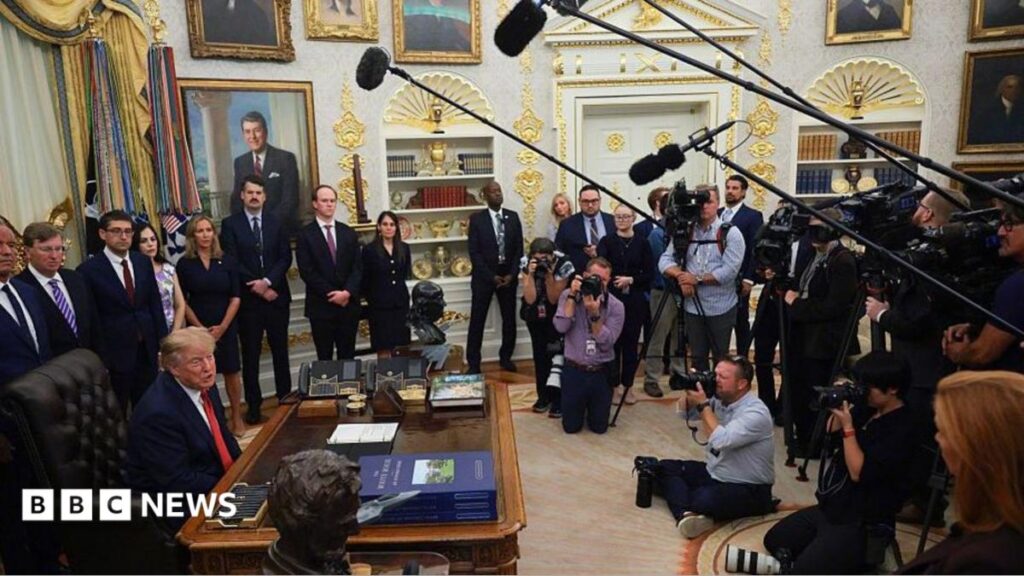
Background: Trump’s long‑standing war with the press
Since his first presidential campaign in 2015, Donald Trump has framed mainstream news outlets as enemies of the American people. He routinely labeled CNN, The New York Times and other legacy media “fake news,” a phrase that became a rallying cry for his supporters and a warning sign for journalists. The pattern intensified after the 2020 election, when the former president repeatedly accused newsrooms of conspiring to undermine his claims of victory, leading to a series of lawsuits and public spats.
During his 2024 re‑election bid, Trump’s relationship with the press turned more institutional. He repeatedly barred journalists he deemed hostile from press briefings, and his campaign issued a list of “approved” media partners. The strategy was not merely rhetorical; it reshaped how White House communications were delivered, pushing the administration toward a tighter, more controlled narrative that relied heavily on sympathetic outlets and social‑media platforms.
The latest development follows a series of escalating moves. In early 2026, the Trump administration announced that the White House press corps would be reduced by 30 percent, citing “security concerns.” At the same time, the administration introduced a new credentialing process that required journalists to sign a pledge of “non‑adversarial reporting,” a clause that many newsrooms found impossible to meet. The ban on CNN and Politico is the most visible outcome of that policy shift.
The latest ban: CNN and Politico out of the White House
On September 18, 2026, Trump held a brief press conference in the Rose Garden, flanked by senior aides, to announce that both CNN and Politico would lose their White House press credentials effective immediately. In his remarks, Trump accused the two outlets of “systematic bias” and of “publishing stories that endanger national security.” The decision was formalised through a White House memorandum that cites the new “non‑adversarial” pledge as the legal basis for revoking access.
CNN’s Washington bureau chief, Jim Acosta, responded by calling the move “a blatant attack on the First Amendment.” Politico’s editor‑in‑chief, John Harris, issued a statement describing the ban as “politically motivated retaliation for critical coverage of the administration’s immigration and trade policies.” Both outlets have filed a joint lawsuit in the U.S. District Court for the District of Columbia, arguing that the ban violates constitutional protections and the 1978 White House Press Correspondents’ Association (PCA) guidelines.
The ban also triggers a procedural ripple effect. Under the PCA’s rules, any revocation of credentials must be reviewed by an independent committee of journalists from across the political spectrum. Sources say the committee is scheduled to convene next week, but its findings could be delayed by legal challenges. In the meantime, CNN and Politico reporters are barred from the briefing room, the press pool, and any official White House events.
Why the ban matters beyond Washington
The immediate fallout is a heightened tension between the executive branch and the fourth estate, but the implications stretch far beyond the Oval Office. A free press is a cornerstone of democratic accountability; when the president curtails access for major news organisations, it sends a signal to other governments about the acceptable limits of media freedom. Analysts warn that such actions can embolden authoritarian leaders who already restrict journalists, arguing that the United States is setting a permissive precedent.
Economically, the ban could affect advertising revenue for both outlets. CNN and Politico rely on exclusive White House access to attract high‑value advertisers and subscription subscribers. A loss of that access may depress their market share, prompting investors to reassess the financial health of media companies that depend on political coverage. In a broader sense, the move may accelerate the shift toward niche, subscription‑based news models that cater to echo chambers rather than the public at large.
From a diplomatic perspective, the United States’ credibility on press‑freedom advocacy could be undermined. The State Department regularly highlights American media freedom in its annual reports to the United Nations. If the administration is seen to be violating its own standards, foreign governments—especially those under scrutiny for media repression—might use the precedent to deflect criticism of their own practices.
African and diaspora implications
African audiences and the diaspora community are not insulated from this U.S. media drama. CNN’s Africa bureau has been a primary source of real‑time coverage on conflicts in the Sahel, elections in Kenya, and the economic fallout from climate change across the continent. The loss of White House access could limit the depth of reporting on U.S. foreign‑policy decisions that directly affect African nations, such as the upcoming aid package for the Horn of Africa and trade negotiations under the African Continental Free Trade Area (AfCFTA).
Politico, while more U.S.‑centric, has a growing readership among African policy analysts and diaspora entrepreneurs who track U.S. legislative trends on technology, immigration, and investment. Its newsletters often break down complex bills that impact African tech startups seeking U.S. venture capital. Without a foothold in the White House press pool, Politico’s ability to provide timely, insider analysis may diminish, leaving a vacuum that could be filled by less rigorous outlets.
The diaspora media ecosystem is already fragmented, with many community‑run outlets struggling for resources. A sudden reduction in high‑quality reporting from mainstream U.S. sources forces these smaller players to either double down on original reporting—an expensive proposition—or rely on secondary feeds that may lack nuance. In both scenarios, the quality of information that African‑origin audiences receive about U.S. policies affecting their home countries could suffer.
Reactions and the road ahead
Domestic reaction has been sharply divided. Republican lawmakers praised the president’s “assertive stance” on media bias, with Senate Majority Leader Mitch McConnell calling the ban “a necessary correction.” In contrast, Democrats and civil‑liberties groups, including the ACLU, have condemned the decision as “an unprecedented attack on press freedom.” The PCA’s independent review, scheduled for early October, is expected to become a focal point for legal arguments on both sides.
Internationally, press‑freedom watchdogs such as Reporters Without Borders and the Committee to Protect Journalists have issued statements urging the United States to reverse the ban. In a joint press release, they warned that “when the world’s leading democracy silences its own journalists, it weakens the global fight for free expression.” African governments, including South Africa’s Department of International Relations, have expressed concern that the United States’ internal media policies could influence bilateral cooperation on media development projects.
Looking forward, the outcome of the PCA review and the pending lawsuit will shape the next chapter of the Trump administration’s media strategy. If the ban is upheld, it could pave the way for further exclusions of outlets deemed “unfriendly,” potentially reshaping the media landscape in Washington. If reversed, it may signal a retreat from the confrontational approach and restore a more conventional press‑credential system, albeit with lingering distrust between the White House and many newsrooms.
Quick Answers
Why did Trump ban CNN and Politico from the White House?
Trump said the two outlets showed systematic bias and published stories he claimed endangered national security, invoking a new “non‑adversarial” pledge requirement.
How could the ban affect African news coverage?
It may limit CNN’s and Politico’s ability to report on U.S. policies that impact Africa, reducing timely insight for African audiences and diaspora readers.
What legal steps are being taken against the ban?
CNN and Politico have filed a joint lawsuit in D.C. federal court, and the White House Press Correspondents’ Association will conduct an independent review of the credential revocation.
Source: www.bbc.co.uk
💬 Comments 0