Trump calls Zelensky “more difficult to deal with than Putin” ahead of EU summit in Brussels, October 2026
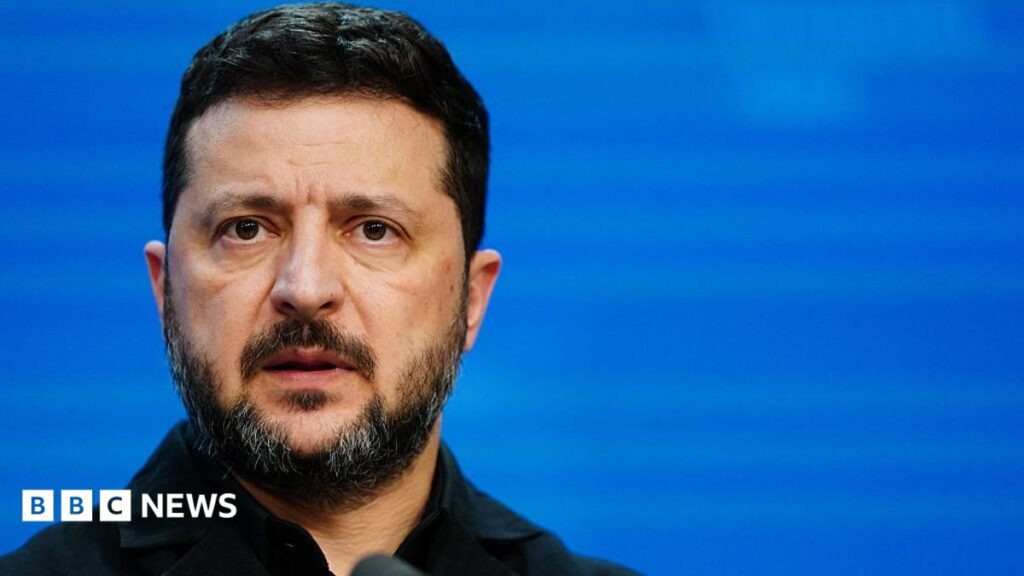
Background: The Ukraine war, US politics and EU aid
Since Russia’s full‑scale invasion of Ukraine in February 2022, the European Union has poured more than €70 billion into Kyiv, positioning the conflict as a core security and energy challenge for the bloc. The United States, traditionally the largest donor of military and economic assistance, has also committed over $50 billion, but the level of support has become increasingly linked to domestic politics in Washington.
Donald Trump, who reclaimed the US presidency in the 2024 election on a platform of “America First,” has repeatedly questioned the value of American aid to Ukraine. His administration has trimmed some budget lines for weapons and humanitarian aid, arguing that the funds could be redirected to domestic infrastructure and border security. This stance has strained the once‑smooth transatlantic coordination on Kyiv’s defence.
The upcoming EU summit in Brussels, scheduled for October 22‑23, 2026, is set to review the next multi‑year funding package for Ukraine. EU leaders will also discuss the bloc’s broader strategic pivot toward resilience against Russian aggression, while trying to balance competing priorities such as climate finance, migration and Africa‑EU partnership renewal.
What Trump said and the EU meeting’s timing
In a televised interview on October 15, President Trump told a US news outlet that Ukrainian President Volodymyr Zelensky was “more difficult to deal with than Putin.” He added that Kyiv’s leadership often “changes the rules of the game” and that the US should not be “the world’s police.” The remarks were delivered just hours before the EU summit opened in Brussels.
Trump’s comments were not isolated. At a press briefing, his national security adviser echoed the sentiment, saying that the United States needed “clear, measurable outcomes” from any aid package. The timing, according to sources close to the EU delegation, was intended to put pressure on European leaders to re‑evaluate the size and scope of the next funding tranche.
EU officials, however, have publicly downplayed the impact of Trump’s criticism. In a joint statement, the European Council said the summit would focus on “solidarity with Ukraine” and “the continuity of support that Europe has pledged,” while also hinting at a desire to “maintain strategic autonomy” amid shifting US priorities.
Why it matters: Geopolitics, aid flows and African stakes
The United States’ stance on Ukraine has ripple effects far beyond Europe’s borders. A reduction in US funding could force the EU to shoulder a larger share of the financial burden, potentially diverting resources from other priority areas such as the African Union‑EU partnership, which is slated for a major review at the upcoming Africa‑EU summit in Addis Ababa.
African grain exporters, especially from Nigeria, Ghana and Côte d’Ivoire, have been watching the Ukraine war closely because it influences global wheat prices. A slowdown in European aid could prolong the conflict, keeping Russian‑controlled grain exports limited and keeping world wheat prices volatile. Higher food costs hit the most vulnerable African households, where more than 30 % already spend over 20 % of household income on food, according to the World Bank.
Energy markets are another vector. Europe’s push to replace Russian gas with liquefied natural gas (LNG) from the United States and Qatar has spurred a surge in global LNG prices. If the US cuts back on Ukrainian support, the Kremlin may intensify its energy leverage, prompting European nations to secure even more LNG contracts, which could raise energy bills for African countries that import European‑refined fuels. In short, a shift in US‑EU coordination over Ukraine can indirectly affect African economies through food security and energy costs.
Reactions from Europe, Africa and the diaspora
European leaders responded with a mixture of caution and defiance. German Chancellor Olaf Scholz, speaking to reporters in Brussels, said that “European solidarity is not a bargaining chip for any single country,” while French President Emmanuel Macron warned that “fragmented support weakens Ukraine and, by extension, European security.” Both leaders stressed the need for a “European Strategic Autonomy” that can operate even if US policy fluctuates.
African diplomats at the EU summit voiced concern about the broader budget implications. Nigeria’s ambassador to the EU, Ambassador Amina Abubakar, told a press briefing that “any re‑allocation of funds away from development and humanitarian assistance for Africa will be felt on the ground, especially in the Sahel where climate‑related shocks are already straining livelihoods.” The African Union’s chairperson, President Cyril Ramaphosa, later called for “a balanced approach that does not sacrifice Africa’s development agenda for a distant war.”
The Ukrainian diaspora in Europe and North America also weighed in. Community leaders in London and Toronto organised a joint statement urging both the EU and the United States to keep aid levels steady, warning that “political posturing now could translate into prolonged suffering for millions of Ukrainians and destabilise the continent.” Their message resonated on social media, where hashtags like #StandWithZelensky trended alongside #EuroAid.
What’s next: Funding negotiations, African policy shifts and the 2027 elections
The EU summit is expected to adopt a new €15 billion “Ukraine Resilience Package” that would extend military assistance through 2028. Analysts say the package could include a larger civilian reconstruction fund, but its final size will depend on how much the United States commits in the coming months. If Washington continues to down‑scale its contribution, the EU may have to tap the European Peace Facility or increase borrowing, which could affect its fiscal space for African development programs.
In parallel, the African Union is preparing a joint financing proposal for the African Renewable Energy Initiative (AREI), which seeks to mobilise $20 billion by 2030. The success of that initiative hinges on the availability of climate finance from Europe, a portion of which is currently earmarked for Ukraine. A weaker EU budget for Ukraine could free up more climate dollars for Africa, but only if member states choose to re‑allocate, not cut, the overall aid envelope.
Finally, the political calculus in the United States is set to change with the 2027 mid‑term elections. If Trump’s hard‑line stance on Ukraine proves unpopular among swing voters, congressional pressure could force a reversal, leading to a renewed surge in US aid. Conversely, a continued “America First” narrative could cement a new transatlantic balance where Europe takes the lead on Eastern‑European security while the US focuses on domestic priorities. African policymakers are already mapping both scenarios to safeguard their own development pipelines.
Quick Answers
Why is President Trump calling Zelensky more difficult to deal with than Putin significant?
It signals a possible shift in US policy that could reduce American aid to Ukraine, forcing the EU to shoulder more of the financial burden and affecting global food and energy markets.
How could changes in US‑EU support for Ukraine impact African economies?
Reduced aid may keep the war longer, keeping wheat prices high and energy costs volatile, which directly affect food security and energy bills in many African countries.
What is the EU planning to do about Ukraine aid at the October 2026 summit?
EU leaders are expected to approve a €15 billion resilience package for Ukraine that extends military support to 2028 while balancing their overall budget, including funds for African development.
Source: www.bbc.co.uk




💬 Comments 0