Trump Claims Putin and Zelenskyy Both Want to End Russia’s War on Ukraine, Says 2024
Background: The Ukraine Conflict and US Stance
The war in Ukraine began in 2014 when Russia annexed Crimea, sparking a conflict that escalated dramatically on February 24, 2022, when Moscow launched a full‑scale invasion of the Ukrainian capital and surrounding regions. The United States has been a key supporter of Kyiv, providing billions in military aid, economic sanctions against Russia, and diplomatic backing within NATO and the United Nations. Over the past two years, the conflict has become a focal point of global security, shaping alliances and influencing energy markets worldwide. The war has also highlighted the fragility of post‑Cold War order and the limits of deterrence in the face of a resurgent Russian military.
Trump’s Claim: Both Leaders Seek an End
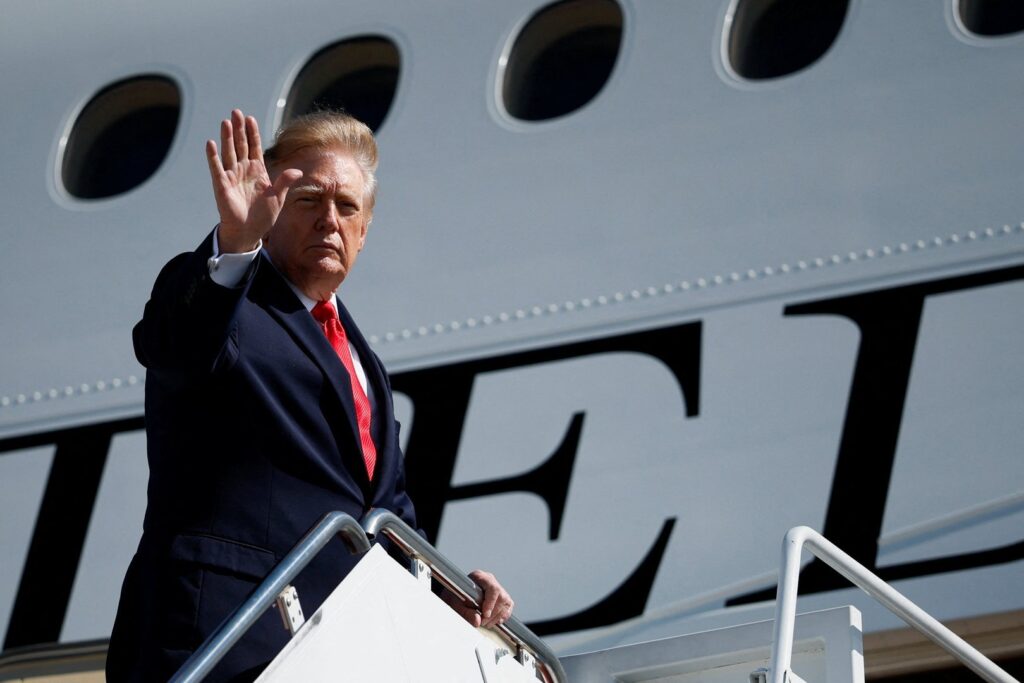
During a recent press briefing in Washington, former President Donald Trump asserted that both Russian President Vladimir Putin and Ukrainian President Volodymyr Zelenskyy are eager to end the conflict, suggesting a shared desire for a negotiated settlement. Trump’s statement came amid a flurry of media speculation about potential peace talks and the possibility of a diplomatic thaw. He framed the claim as a fact, citing unnamed sources and his own observations, but did not provide concrete evidence or direct quotes from the leaders. The remark was delivered in a tone that echoed Trump’s long‑standing narrative of “making deals” and “finding solutions.”
Why It Matters: Impact on Global Diplomacy
If both parties are indeed seeking a resolution, the implications extend beyond the immediate theater of war. For NATO, a perceived willingness from Russia to negotiate could embolden the alliance to reassess its posture in Eastern Europe, potentially easing the burden of defense spending and allowing a reallocation of resources to other strategic domains. Conversely, a Ukrainian willingness to negotiate might be interpreted as a concession, potentially undermining the morale of pro‑West forces and altering the balance of power on the ground. The United States, as a primary backer of Kyiv, would need to navigate these dynamics carefully, balancing support for Ukraine with the broader goal of maintaining global stability.
Reactions: From Governments, Analysts, and the Public
Official responses to Trump’s claim have been muted. The Kremlin has reiterated its position that Russia is prepared to negotiate only on terms that secure its strategic interests, while Ukrainian officials have denied any willingness to compromise on core principles of sovereignty and territorial integrity. The U.S. State Department, meanwhile, emphasized that it remains committed to supporting Ukraine’s defense while encouraging diplomatic engagement. Analysts in Washington and Brussels have highlighted the political utility of Trump’s statement, suggesting it could influence public opinion and shape the narrative surrounding U.S. foreign policy. Public reaction has been mixed, with some viewers praising Trump’s “deal‑making” rhetoric, while others criticized it as misinformation.
What’s Next: Possible Outcomes and Future Developments
The coming months could see a surge in diplomatic activity if credible signals of negotiation emerge from either side. The United Nations and European Union may intensify efforts to broker a ceasefire, while the U.S. could consider new sanctions or aid packages contingent on progress toward a settlement. Trump’s own political trajectory may also intersect with these developments, as his 2024 campaign could leverage the narrative of “ending the war” to galvanize voters. Should a credible peace proposal materialize, it would likely involve a complex array of guarantees, security assurances, and economic incentives designed to address the grievances of all parties involved.
Quick Answers
Did Trump provide evidence that Putin and Zelenskyy want to end the war?
Trump cited unnamed sources and his own observations but did not offer concrete evidence or direct statements from the leaders.
How are the U.S. and NATO responding to Trump's claim?
The U.S. and NATO have reiterated their commitment to supporting Ukraine while encouraging diplomatic engagement, but have not confirmed any new negotiations.
What could this mean for the future of the Ukraine conflict?
If both leaders are genuinely open to talks, it could lead to increased diplomatic efforts and potentially a negotiated settlement, though core issues remain contentious.
Source: www.aljazeera.com




💬 Comments 0