Trump denies US weapons shortage, claims leakers are being hunted down – 2026 statement
Background: A strained supply chain and past shortages
The United States has long relied on a complex industrial base to churn out sophisticated weapons, from precision‑guided munitions to advanced air‑defence systems. Over the past two years, the war in Ukraine, heightened tensions in the Indo‑Pacific, and a surge in demand from NATO allies have stretched that capacity to its limits. Analysts note that several high‑tech components, such as rare‑earth magnets and specialized micro‑electronics, are sourced from a handful of overseas suppliers, making the supply chain vulnerable to geopolitical shocks. When production bottlenecks hit, the Pentagon has occasionally reported “low‑rate initial production” or delayed deliveries, prompting concerns among congressional oversight committees.
In late 2025, a series of internal briefings leaked to the press suggested that the U.S. military had exhausted stockpiles of certain “difficult‑to‑manufacture” weapons, including some variants of the Patriot missile and next‑generation air‑to‑air rockets. While the exact figures remain classified, the reports sparked debate about whether the United States could sustain its commitments to allies, especially in regions where American arms are a cornerstone of security cooperation, such as the Sahel, the Horn of Africa, and the Gulf of Guinea.
Trump’s denial and the hunt for leakers
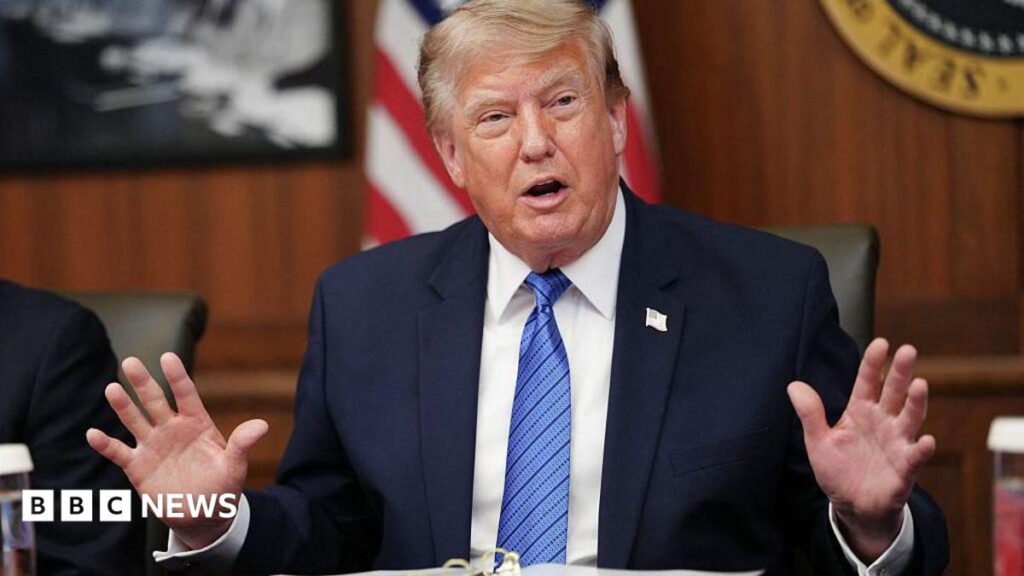
During a rally in Florida on August 4, former President Donald Trump dismissed the notion of a weapons shortage as “fake news” and warned that “the leakers are being hunted down” for trying to undermine the nation’s strength. He framed the issue as a political attack by his opponents, suggesting that the narrative of scarcity was designed to erode public confidence ahead of the 2026 mid‑term elections. The statement echoed earlier rhetoric from his 2024 campaign, where he repeatedly claimed that the media and “deep state” actors were sabotaging his administration’s defense agenda.
Legal experts say that publicly accusing the government of a “leaker hunt” without evidence could raise First Amendment concerns, but they also note that the Department of Justice has, in the past, pursued individuals for unauthorized disclosures of classified material. According to a senior White House official, the administration is reviewing the security breach protocols, though no formal investigation has been announced as of this writing.
Why the debate matters for African partners
African nations that rely on U.S. military aid and equipment—such as Nigeria’s counter‑terrorism force, Kenya’s anti‑piracy fleet, and Ethiopia’s peacekeeping contingent—watch U.S. supply‑chain news closely. If the United States truly faces a shortfall of certain weapons, it could delay or reduce shipments of aircraft spare parts, armored vehicles, and precision munitions that these partners depend on to fight insurgencies and protect maritime routes in the Gulf of Guinea.
Moreover, the perception of a shortage may embolden rival arms exporters, notably Russia and China, to pitch alternative systems to African governments. In 2025, several West African states signed procurement deals for Russian‑made air‑defence radars after U.S. deliveries stalled. A credible shortage narrative could therefore shift the balance of influence on the continent, affecting everything from regional stability to the strategic calculus of multinational mining projects that need secure logistics.
A broader pattern of politicising defence information
Trump’s comments fit into a growing trend where political leaders weaponise classified or sensitive defence data to rally their bases. During the Obama era, the administration warned of “leak‑driven” operational risks after the 2013 Snowden revelations. The Biden administration, meanwhile, has emphasized “responsible transparency” while tightening internal controls after a 2024 leak about U.S. drone sales to the Middle East. Trump’s framing of leakers as enemies mirrors the rhetoric used by authoritarian regimes to justify crackdowns on journalists, raising alarms among press‑freedom advocates worldwide.
Industry insiders argue that this politicisation can have a chilling effect on whistleblowers who expose genuine procurement waste or safety flaws. If the narrative that “leakers are being hunted” gains traction, it may deter insiders from flagging problems in the weapons‑production pipeline—issues that could be especially acute in the high‑tech components that African customers need but cannot source locally.
What could happen next: policy, oversight and market implications
Congress is expected to hold a series of hearings in the coming months to assess the Pentagon’s inventory levels and the resilience of the supply chain. Lawmakers from the Armed Services Committee have already drafted a bipartisan bill that would increase funding for domestic production of critical components, a move that could benefit U.S. defense hubs in Texas and Alabama while also creating jobs in African‑American communities that historically supply skilled labour to the aerospace sector.
For African markets, the outcome of those hearings could determine whether U.S. arms manufacturers maintain their foothold or lose ground to competitors. If new funding accelerates domestic production, the United States may be able to honour existing foreign‑military‑sales contracts and even expand them, reinforcing security partnerships across the continent. Conversely, a prolonged political stalemate could leave African allies scrambling for alternatives, potentially reshaping the geopolitical landscape in sub‑Saharan Africa for the next decade.
Quick Answers
Did the United States actually run out of weapons in 2026?
Officially, the Pentagon has not confirmed a nationwide shortage, but internal briefings leaked in 2025 indicated low stockpiles of some high‑tech munitions.
How could a U.S. weapons shortage affect African security partners?
Delays or reductions in U.S. arms deliveries could hamper counter‑terrorism and maritime security efforts in Africa, and may push some nations toward Russian or Chinese alternatives.
What steps is Congress taking to address the alleged shortage?
Lawmakers are planning hearings and have proposed a bipartisan bill to boost domestic production of critical defense components.
Source: www.bbc.co.uk




💬 Comments 0