Trump says US will cut South Korea drills in 2026 after Iran war, citing North Korea ties
Background: Long‑standing joint exercises and a new Middle‑East flashpoint
Since the Korean War armistice, the United States and South Korea have held annual combined‑forces exercises, the most famous being "Foal Eagle" and "Key Resolve." These drills are designed to sharpen interoperability, deter North Korean aggression and reassure regional partners. In recent years the scale of the maneuvers has swelled, with thousands of troops, aircraft and naval vessels taking part, prompting periodic protests from Pyongyang that the activities are rehearsals for invasion.
The backdrop to the latest announcement is the protracted conflict that erupted after Iran’s 2024 strike on a U.S. carrier group in the Persian Gulf. While the United States has committed air and naval assets to the theater, South Korea has largely stayed out of direct combat, focusing instead on its own security concerns on the Korean Peninsula. That restraint, combined with a thaw in Washington‑Pyongyang relations under former President Trump, set the stage for a shift in the joint drill agenda.
The decision: Trump links drill reduction to his rapport with Kim Jong un
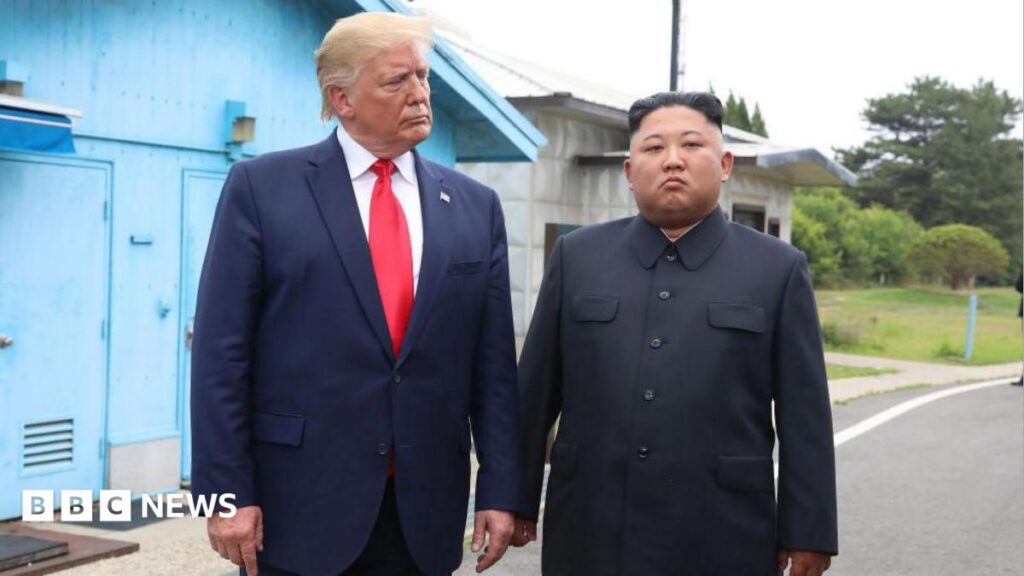
Speaking at a press briefing in Washington, former President Donald Trump announced that the United States would "scale back" the size and frequency of its combined‑forces exercises with South Korea. He argued that the move reflects his "very good relationship" with North Korean leader Kim Jong un, a relationship he says allows for more diplomatic leverage without the need for massive show‑of‑force drills.
Trump clarified that the reduction does not mean a halt to training altogether; rather, the exercises will be trimmed to core readiness activities, with fewer live‑fire components and a shorter overall timeline. The administration said the change would free up troops and equipment for the ongoing operations in the Middle East, while still preserving the deterrent posture against the North.
Why it matters: Regional security, alliance credibility and U.S. force posture
The Korean Peninsula remains one of the world’s most volatile flashpoints, and the joint drills have long been a visible signal of U.S. commitment to Seoul. Cutting back the exercises could be read by Pyongyang as a weakening of that guarantee, potentially emboldening its missile and nuclear programs. Analysts in Seoul warn that any perceived reduction in the U.S. footprint may force South Korea to shoulder a larger share of its own defence, a shift that could strain its defence budget and political consensus.
Beyond the peninsula, the decision signals a broader recalibration of U.S. force distribution. With significant assets now earmarked for the Iran‑related conflict, Washington is testing the limits of a multi‑theater approach. The move raises questions about how the United States will balance commitments to East Asia, Europe and the Middle East, and whether allies elsewhere might expect similar scaling‑back of joint training.
African angle: How the shift reverberates on the continent and among the diaspora
South Korea is Africa’s fastest‑growing Asian investor, with projects ranging from telecom infrastructure in Kenya to automobile assembly plants in Nigeria. A reduction in U.S. drills could indirectly affect Korean firms operating on the continent, as security stability in the Indo‑Pacific influences global supply‑chain decisions. Korean conglomerates often align their overseas expansion with the confidence that a strong U.S. security umbrella provides against regional disruptions, especially in maritime routes that link Asian manufacturers to African ports.
For the African diaspora in the United States, the news touches on two concerns. First, many Nigerians and Ghanaians serve in the U.S. armed forces; a redeployment of troops to the Middle East may mean longer overseas tours for them. Second, the scaling back of drills could shift U.S. diplomatic attention toward the Middle East, potentially delaying new security assistance packages that African nations have been lobbying for under the AFRICOM umbrella.
Reactions: Seoul, Pyongyang, regional players and U.S. analysts weigh in
South Korean President Yoon Suk‑yeol thanked Washington for its continued security guarantee but urged that any reduction be "measured" and not compromise readiness. In a statement, the Ministry of National Defense said the alliance will "maintain the essential deterrent capability" while adapting to the evolving strategic environment.
North Korean state media welcomed the announcement, calling it "evidence of the United States' willingness to ease tensions" and suggesting it could pave the way for further diplomatic overtures. Meanwhile, Japan’s defence chief expressed concern that a softer U.S. stance in Korea might embolden North Korea’s missile tests, which have already increased since early 2026.
What’s next: A tentative roadmap for U.S.‑ROK cooperation and African implications
The Trump administration has promised a review of the new drill schedule after six months, with the possibility of re‑escalation if North Korean provocations rise. Experts predict that Washington will keep a “core” set of exercises—such as joint air‑defence drills—while using the freed‑up resources to bolster its Middle‑East operations and to expand cyber‑defence collaborations with Seoul.
In Africa, the shift may accelerate calls for a more autonomous security framework. Countries like Kenya and Ethiopia have already begun deepening ties with both the United States and South Korea on cyber‑security and maritime safety. If the U.S. continues to redistribute forces, African governments could leverage the opening to negotiate greater technical assistance and joint training that are less dependent on large‑scale American troop deployments.
Quick Answers
Why is the United States cutting back joint drills with South Korea in 2026?
The Trump administration says the reduction frees troops for the Iran war and reflects a strong personal relationship with North Korean leader Kim Jong un.
How could the drill cut affect African investors and the diaspora?
A quieter U.S. presence may influence Korean firms’ risk calculations for African projects, while redeployed U.S. troops could extend overseas tours for African‑American service members.
Will South Korea’s security guarantee from the United States change?
Seoul says core deterrent capabilities will stay intact, but the scale of exercises will be trimmed, prompting a review after six months.
Source: www.bbc.co.uk




💬 Comments 0