Trump signs order stripping gray wolf endangered status, aiding ranchers 2026
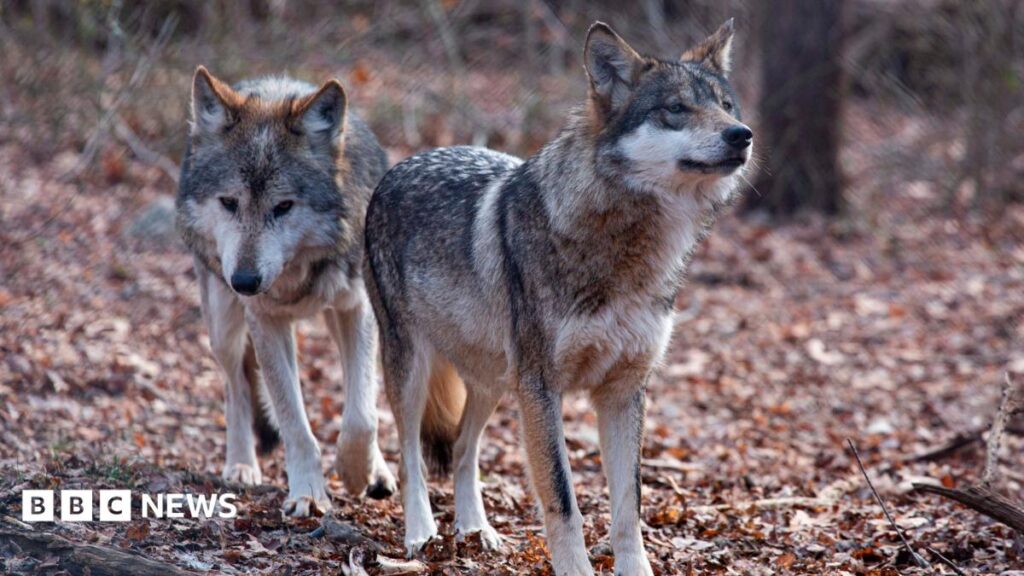
Background: Wolves and the Endangered Species Act
The gray wolf (Canis lupus) was listed as an endangered species under the U.S. Endangered Species Act (ESA) in 1974 after dramatic declines due to hunting, poisoning, and habitat loss. The protection forced federal agencies to consider the species in land‑use decisions, from timber harvesting to road construction, and mandated recovery plans aimed at restoring viable populations across the contiguous United States.
Over the past four decades, wolf numbers have rebounded in many regions, especially in the Northern Rockies and the Great Lakes basin, where federal and state agencies reported stable or growing packs. However, the resurgence has been uneven; in the Intermountain West, ranchers argue that wolves continue to prey on livestock, prompting a series of compensation programs and, at times, lethal control measures approved by state wildlife boards.
The ESA has become a political flashpoint because it pits federal conservation mandates against local economic interests. Previous administrations have alternated between tightening protections and granting waivers, creating a patchwork of rules that vary from state to state. This history sets the stage for President Trump’s latest move.
The Executive Order: What the Administration Said
On September 4, 2026, President Donald J. Trump signed an executive order that removes the gray wolf from the list of threatened and endangered species nationwide. In his signing statement, the president claimed the decision would “remove unnecessary regulatory burdens on American ranchers and restore common‑sense wildlife management.”
The order invokes a 2020 amendment that allows the administration to delist a species if it determines that the species no longer meets the criteria for protection, even if scientific agencies have not yet completed a formal review. The White House Office of Management and Budget (OMB) was tasked with issuing a supplemental cost‑benefit analysis within 90 days, focusing on the economic impact of wolf‑livestock conflicts.
Critics note that the order bypasses the standard inter‑agency consultation process that usually involves the U.S. Fish and Wildlife Service, the National Marine Fisheries Service, and independent wildlife scientists. By sidestepping that protocol, the administration has opened the decision to legal challenges that could reach the Supreme Court.
Why It Matters for U.S. Ranchers and Conservation
For ranchers in states like Wyoming, Montana, and Idaho, the delisting is framed as a victory that could reduce the need for costly compensation claims when wolves kill cattle. The order also signals that states may have greater leeway to implement lethal control without federal oversight, potentially lowering insurance premiums for livestock owners.
Conservationists warn that removing federal protection could undo decades of recovery work. Without the ESA’s “take” prohibition, federal agencies lose the authority to prevent the unintentional killing of wolves on public lands, and states may be more inclined to approve hunting quotas that exceed sustainable levels. A 2023 study by the Wildlife Conservation Society estimated that a 30% increase in wolf mortality could cause a population decline of up to 45% within ten years.
The decision also affects ecosystem services that wolves provide, such as regulating ungulate populations and promoting biodiversity through trophic cascades. Researchers in Yellowstone National Park have linked wolf presence to healthier riparian zones and increased beaver activity, which in turn improves water quality for downstream communities.
Ripple Effects: From the American West to African Wildlife Policy
While the order is a domestic U.S. policy, its reverberations are felt beyond American borders. African wildlife managers watch U.S. decisions closely because they often set precedents for how large carnivores are treated under international conventions like CITES. The delisting could embolden lobby groups in South Africa and Kenya that argue for reduced protection of apex predators such as lions and hyenas, citing livestock losses as a justification.
Conversely, the move may also galvanize African conservation NGOs that rely on the United States for funding and technical assistance. Organizations such as the African Wildlife Foundation have warned that weakening the ESA could jeopardize future grant allocations earmarked for trans‑continental predator research and anti‑poaching initiatives. The U.S. is a major donor to the Global Environment Facility, and policy shifts at home often influence donor priorities abroad.
For diaspora investors and eco‑tourism operators, the order introduces uncertainty. Many African safari lodges market themselves on the presence of intact predator ecosystems, and any perception that the U.S. is rolling back predator protections could affect the branding of “wildlife‑friendly” experiences worldwide. The African market, which contributes roughly $5 billion annually to global wildlife tourism, may see a dip in demand if international travelers perceive a broader erosion of wildlife safeguards.
Reactions from Stakeholders
The National Cattlemen’s Beef Association issued a statement praising the order as “a long‑overdue correction that puts American families back in control of their land.” Ranchers in the Intermountain West have organized town‑hall meetings to discuss coordinated response plans, including increased use of guardian dogs and fladry fences to deter wolves.
Environmental groups, including the Sierra Club and Defenders of Wildlife, filed a lawsuit on September 6, arguing that the order violates the Administrative Procedure Act by skipping required scientific review. In a press conference, a senior attorney for Defenders of Wildlife said the case will test whether an executive order can override the ESA’s statutory safeguards.
Indigenous tribes with treaty rights to hunt and manage wildlife, such as the Northern Cheyenne and the Confederated Salish and Kootenai Tribes, expressed mixed feelings. While some tribal leaders welcome greater local control, others worry that unregulated wolf populations could disrupt traditional hunting practices and cultural values tied to the species.
What Comes Next: Legal Battles and Policy Outlook
The immediate future hinges on the pending lawsuit, which could result in a preliminary injunction that temporarily reinstates the wolf’s endangered status. Legal scholars note that courts have historically given deference to executive actions on wildlife management, but the explicit bypass of the Fish and Wildlife Service may give plaintiffs a strong procedural argument.
Even if the order survives judicial scrutiny, Congress may intervene. Several bipartisan bills introduced in the House aim to restore the wolf’s protection or at least require a formal scientific review before any delisting. The outcome will likely depend on the composition of the Senate and the political capital the administration can muster on other priorities such as infrastructure and immigration.
For ranchers and conservationists alike, the next 12‑18 months will be a period of strategic adaptation. Ranchers may invest in non‑lethal deterrents and lobbying for state‑level compensation reforms, while wildlife agencies will need to develop contingency plans for monitoring wolf populations without the full suite of ESA tools. The broader lesson for African stakeholders is clear: policy shifts in major donor countries can ripple through global conservation financing, making it essential to diversify funding sources and strengthen regional legal frameworks.
Quick Answers
What does the Trump administration's order mean for gray wolf protection?
The order removes the gray wolf from the U.S. Endangered Species Act list, allowing states to manage wolves without federal restrictions and potentially increasing lethal control.
How could this decision affect African wildlife conservation?
The move may influence African predator management debates, affect U.S. funding for African conservation projects, and signal a broader shift that could embolden calls for reduced protection of large carnivores on the continent.
Is there a legal challenge to the delisting?
Yes, environmental groups have filed a lawsuit claiming the order bypasses required scientific review and violates the Administrative Procedure Act.
Source: www.bbc.co.uk




💬 Comments 0