Two German Airport Workers Die of Malaria After Mosquito Arrives on Flight from Africa, 2026
Background: Imported malaria and the airport environment
Malaria is traditionally a tropical disease, but Europe has seen a steady rise in imported cases over the past decade, largely linked to travel and migration from endemic regions. The Robert Koch Institute (RKI) reports an average of 1,200 imported malaria cases annually in Germany, with the majority identified in major transport hubs such as Frankfurt and Berlin. While most infections are caught early, the disease can be fatal if diagnosis is delayed, especially for non‑immune individuals.
Airports are unique convergence points where pathogens can hitch a ride on passengers, cargo, or even the insects themselves. In 2019, a similar incident in the United Kingdom saw a single Anopheles mosquito survive a flight from Ghana, prompting a brief health alert. Such events are rare but highlight gaps in vector surveillance at high‑traffic airports, where the sheer volume of flights makes comprehensive screening a logistical challenge.
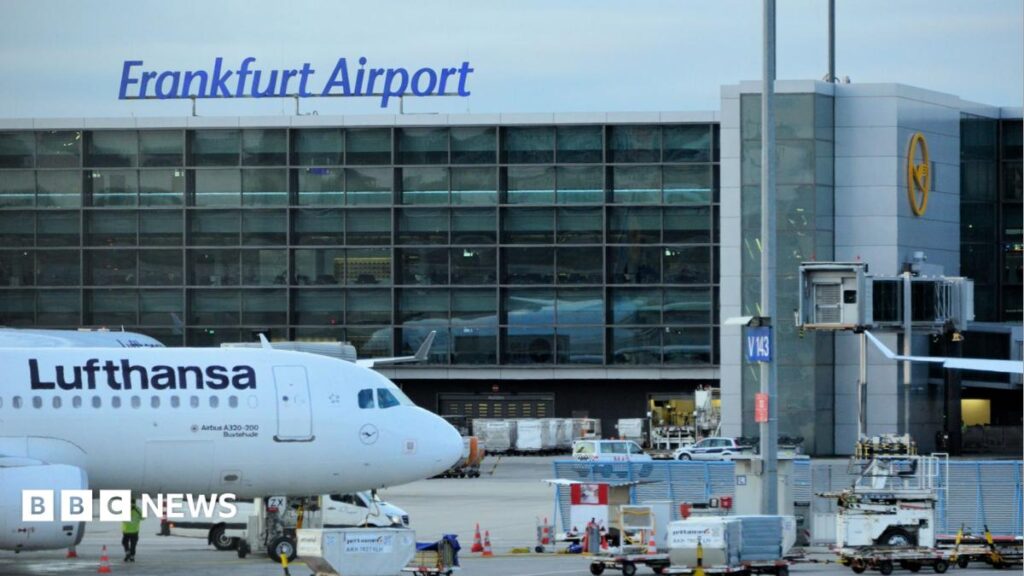
Germany’s busiest airport, Frankfurt Airport, processes over 70 million passengers a year, including numerous flights to and from malaria‑endemic African nations. The airport’s own health and safety protocols focus on human health screening, but insect control measures have historically been limited to routine pest management, not targeted vector surveillance.
The incident: Two workers, two deaths
In early August 2026, two maintenance employees at Frankfurt Airport fell ill with high fevers, chills, and severe headaches. Initial treatment for influenza proved ineffective, and both were later diagnosed with Plasmodium falciparum malaria after blood tests confirmed the parasite. Despite aggressive antimalarial therapy, the workers, aged 38 and 45, succumbed to complications within a week of admission.
German public health officials quickly traced the likely source to a cargo plane that had arrived from Lagos, Nigeria, the day before the workers reported symptoms. Entomologists from the Federal Institute for Materials Research and Testing (BAM) identified a live Anopheles mosquito inside the aircraft’s cargo hold, suggesting it survived the journey and escaped into the airport’s service areas.
The RKI released a statement confirming the deaths as the first known malaria fatalities linked directly to an airport‑borne mosquito in Germany. While the exact timeline of the mosquito’s entry remains under investigation, authorities ruled out local transmission, emphasizing that the insects were imported rather than a sign of endemic malaria re‑establishment.
Why it matters: Public health, travel safety and economic stakes
The tragedy underscores a blind spot in Europe’s disease‑prevention architecture: the potential for vector‑borne pathogens to infiltrate through global supply chains. Unlike human carriers, insects can evade thermal scanners and health questionnaires, making them harder to detect. If unchecked, such introductions could spark localized outbreaks, especially as climate change extends the viable range of malaria‑carrying mosquitoes into temperate zones.
From an economic perspective, the incident threatens to erode confidence among airlines and logistics firms that rely on seamless cross‑continental operations. Insurance premiums for cargo carriers may rise if insurers deem the risk of vector transport significant. Moreover, the German government could face pressure to allocate additional funding for vector surveillance, diverting resources from other public‑health priorities.
For the broader travel industry, the case may prompt a re‑evaluation of passenger‑screening protocols. Airlines could be required to install insect‑proof cargo doors or implement routine disinsection procedures on flights originating from high‑risk regions. Such measures, while costly, would aim to prevent future health crises that could damage the reputation of European airports as safe transit hubs.
African connection: Implications for diaspora travelers and trade
The flight that inadvertently carried the mosquito originated in Lagos, Nigeria, a key gateway for both business travelers and the Nigerian diaspora in Europe. The incident raises concerns among diaspora communities about stigma and potential travel restrictions that could disproportionately affect African passengers and cargo exporters.
African airlines and freight companies may now face heightened scrutiny, prompting calls from industry groups such as the African Airlines Association (AFRAA) for clearer, science‑based guidelines rather than blanket bans. In a recent press release, AFRAA warned that “over‑reactive policies could cripple trade flows that are already fragile after the pandemic.”
On the health front, the case highlights the importance of pre‑departure malaria prophylaxis for African workers traveling to Europe. While prophylaxis is standard for tourists visiting endemic zones, outbound African workers and crew members are rarely advised to take antimalarials before boarding flights to non‑endemic countries. Public‑health NGOs in Nigeria are now lobbying for bilateral health agreements that would include vector‑control training for airline staff.
Wider trends: Climate change, global mobility and vector spread
Scientists have long warned that warming temperatures could expand the habitat of Anopheles mosquitoes northward. A 2024 study by the European Centre for Disease Prevention and Control (ECDC) projected that by 2050, parts of southern Germany could become seasonally suitable for malaria transmission. The Frankfurt case, while still an imported event, adds urgency to those projections.
Global mobility has accelerated the speed at which insects can cross continents. The World Health Organization (WHO) estimates that more than 10,000 insects are unintentionally transported via commercial flights each year. Most die en route, but a small fraction survive, especially when protected in cargo holds that maintain stable temperatures and humidity.
In response, several European airports have begun pilot programs using ultraviolet light traps and AI‑driven monitoring systems to detect mosquito activity in real time. Frankfurt Airport announced plans to expand its existing pest‑control network to include smart traps at cargo entry points, a move that could set a new standard for airport bio‑security across the continent.
What’s next: Policy response and preventive steps
The German Federal Ministry of Health has convened an emergency task force that includes the RKI, BAM, and representatives from the aviation sector. The group is expected to draft new regulations within three months, focusing on mandatory disinsection of cargo flights from malaria‑endemic countries and enhanced vector‑monitoring at major airports.
Travelers and airport staff are being urged to recognize early malaria symptoms and seek immediate medical attention. The Ministry’s public‑information campaign will distribute multilingual flyers in German, English, French, and major African languages such as Yoruba and Swahili, aiming to reduce diagnostic delays for future cases.
Long‑term, experts advocate for a coordinated European approach that aligns with WHO’s International Health Regulations. This would involve shared databases of vector‑incident reports, joint training exercises for airport bio‑security teams, and funding for research into climate‑resilient mosquito control technologies.
Quick Answers
How did malaria reach Germany via an airport?
A live Anopheles mosquito survived a cargo flight from Lagos, Nigeria, escaped into Frankfurt Airport, and bit two workers who later died of malaria.
What measures are German authorities taking after the deaths?
Germany is forming a task force to require disinsection of high‑risk cargo flights, install smart mosquito traps, and launch multilingual public‑health alerts.
Will this incident affect travel between Africa and Europe?
Potentially, as airlines may face stricter cargo inspections and passengers could encounter additional health screening, but authorities stress that measures will be science‑based, not restrictive.
Source: www.bbc.co.uk




💬 Comments 0