Two Unvaccinated Pennsylvanians Die of Measles in 2026, Raising Alarm for US and African Communities
Why the US Surge Matters Globally
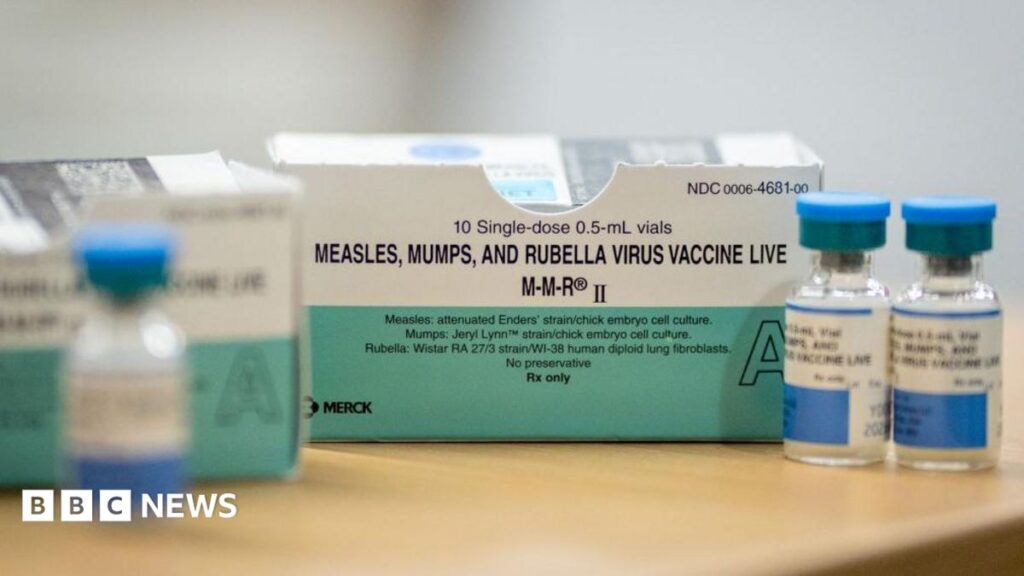
On August 20, 2026, two unvaccinated residents of Pennsylvania succumbed to measles, a disease the United States declared eliminated in 2000. Their deaths marked the first measles‑related fatalities in the country in more than a decade and sparked renewed calls for higher immunisation rates. Both individuals had refused the MMR vaccine, citing personal belief exemptions that remain legal in several states, including Pennsylvania.
The cases were confirmed by the Pennsylvania Department of Health, which reported that the virus was linked to an outbreak that began earlier in the summer among unvaccinated schoolchildren. The outbreak has since produced more than 200 confirmed cases across the state, the highest single‑state tally since the disease was declared eliminated. The tragedy underscores how quickly measles can spread when herd immunity falls below the critical 95% threshold recommended by the World Health Organization.
Connecting the Dots: Vaccine Hesitancy as a Global Trend
Measles is not a local problem; it is a highly contagious viral illness that knows no borders. The World Health Organization estimates that in 2024 there were an additional 6 million measles cases worldwide, a sharp rise from the previous year, driven largely by vaccine hesitancy in high‑income nations and conflict‑driven disruptions in low‑income regions. When the United States, once a benchmark for public‑health achievement, experiences a resurgence, it signals a weakening of the global defence wall that keeps the virus at bay.
The ripple effect is already evident in African markets that rely on US‑produced vaccines. Companies such as Merck and GlaxoSmithKline have faced sudden spikes in demand for MMR doses, prompting supply‑chain stress that could delay shipments to African nations still battling endemic measles. Moreover, the perception of a “re‑emerging” disease in the West can fuel misinformation in regions where vaccine confidence is already fragile, complicating the work of health NGOs operating across the continent.
Impact on African Diaspora and Home‑Country Health Systems
Vaccine hesitancy in the United States has been on an upward trajectory since the COVID‑19 pandemic, with the CDC reporting a 7% drop in MMR coverage among children aged 19‑35 months between 2022 and 2025. The phenomenon mirrors similar patterns in parts of sub‑Saharan Africa where social media campaigns spread myths about vaccine safety, despite the continent’s historically higher acceptance rates for routine immunisations.
Recent research by the Africa Centres for Disease Control and Prevention (Africa CDC) shows that misinformation from abroad can quickly cross continents, especially among diaspora communities. In Lagos and Accra, for example, a surge of anti‑vaccine messages traced back to U.S. forums has been linked to a measurable dip in appointment bookings for childhood vaccinations, according to a 2026 study by the University of Ghana’s School of Public Health.
Economic and Policy Repercussions
The Pennsylvania deaths have reverberated throughout the African diaspora in the United States, a community that historically values both Western medical practices and traditional health beliefs. Community leaders in cities like New York’s Bronx and Chicago’s Little Haiti have warned that the tragedy could deepen existing mistrust of public‑health directives among immigrants who already feel alienated by the U.S. healthcare system.
What Comes Next: Strategies and Outlook
Beyond the human toll, the outbreak is prompting state legislators to revisit exemption laws. In late August, a bipartisan group of Pennsylvania senators introduced a bill that would eliminate personal‑belief exemptions for the MMR vaccine, mirroring measures already passed in states such as California and New York. If enacted, the law could set a precedent for other swing states where exemption rates remain high.
From an economic perspective, the surge in measles cases is already affecting insurance premiums and employer health‑care costs. Companies with large workforces in the affected regions are reporting increased sick‑leave claims and are urging employees to verify their vaccination status, a trend that could spread to multinational firms with subsidiaries in Africa, where they may need to enforce similar policies to protect local staff.
Broader Lessons for Africa and the World
Public‑health experts say the next steps involve a coordinated push for catch‑up vaccination campaigns, targeted outreach to communities with low coverage, and tighter monitoring of cross‑border travel. The CDC has announced a $15 million emergency fund to support mobile vaccination units in Pennsylvania, a model that could be replicated in African cities where mobile clinics have historically proven effective in reaching underserved populations.
Quick Answers
What caused the measles deaths in Pennsylvania? The two fatalities were unvaccinated individuals who contracted measles during a summer outbreak linked to low vaccination rates and personal‑belief exemptions.
Why should African communities care about a US measles surge? The outbreak strains global vaccine supplies, risks spreading misinformation to African diaspora groups, and highlights the interconnectedness of immunisation efforts worldwide.
What policy changes are being considered in Pennsylvania? Lawmakers have introduced a bill to remove personal‑belief exemptions for the MMR vaccine, aiming to raise herd immunity to the WHO‑recommended level.
Source: www.bbc.co.uk




💬 Comments 0