Uganda withdraws 5,000 troops from Somalia after 20‑year AU mission in 2026
Background: Uganda’s long‑standing role in AMISOM
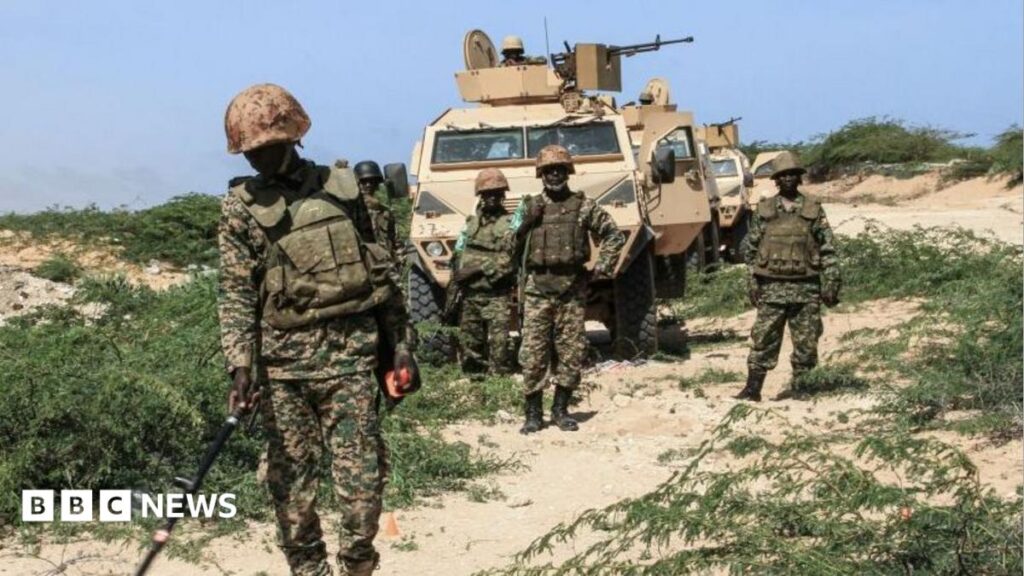
Uganda was the first country to send soldiers to the African Union Mission in Somalia (AMISOM) when it was launched in 2007, pledging an initial contingent of 1,500 troops to help the fledgling Somali government push back Al‑Shabaab.
Over two decades the Ugandan brigade grew to roughly 5,000 personnel, making it the largest single national contribution to the mission and a key factor in major offensives such as the 2011 capture of Kismayo and the 2014 liberation of Baidoa.
The deployment has been a double‑edged sword for Kampala: while it boosted Uganda’s standing as a regional security provider, it also strained the country’s defence budget and stretched its young, professional army across a distant conflict zone.
The withdrawal decision and timeline
In early September 2026 President Yoweri Museveni announced that Uganda would begin pulling its troops out of Somalia, citing the need to refocus on domestic security challenges and to re‑allocate resources to modernising the armed forces.
The plan calls for a phased exit over the next twelve months, with the first wave of 1,500 soldiers scheduled to leave by the end of 2026 and the remaining units to be redeployed by mid‑2027, according to a statement from the Ministry of Defence.
Sources close to the decision say the timing was also influenced by growing fatigue among troops who have been on continuous deployments for more than a decade, as well as pressure from the East African Community to balance security commitments with economic recovery after the pandemic.
Implications for the AU mission and Somali security
Uganda’s pull‑out removes the mission’s biggest single troop contributor, creating a gap that the African Union will need to fill quickly to avoid a vacuum that Al‑Shabaab could exploit.
The AU has already begun discussions with Kenya, Burundi and Ethiopia about expanding their contingents, but each of those countries faces its own budgetary constraints and domestic political calculations, according to analysts at the African Centre for the Study of Conflict.
In the short term, Somali forces are likely to shoulder a larger share of frontline duties, a shift that could accelerate the training of the Somali National Army but also risks over‑extension if the transition is not carefully managed.
Regional power dynamics and the East African Community
Uganda’s withdrawal signals a subtle re‑balancing within the East African Community (EAC), where Kenya and Tanzania have been jockeying for greater influence over security matters in the Horn of Africa.
Observers note that Kampala’s move may open space for Kenya to deepen its own military footprint in Somalia, a prospect that could reshape trade routes and investment flows, especially around the port of Mombasa and the emerging Lamu corridor.
At the same time, the decision underscores a broader trend of African states reassessing long‑term peace‑keeping commitments in favour of home‑grown security reforms, a pattern also visible in South Sudan’s pull‑back from the United Nations mission in the Central African Republic.
What this means for Uganda’s defence and economy
Repatriating roughly 5,000 soldiers will free up an estimated $300 million in operational costs, money that the Ugandan government says will be redirected toward modernising its army’s air and cyber capabilities.
Economists argue that the fiscal relief could bolster President Museveni’s “Vision 2040” development agenda, especially if the savings are channelled into infrastructure projects in the northern regions that have long been under‑invested.
However, veterans’ groups warn that the abrupt end to a high‑profile overseas deployment may lead to a surge in unemployment among ex‑combatants, unless the promised reintegration programmes are delivered on time and with adequate funding.
Quick Answers
Why is Uganda withdrawing its troops from Somalia?
Uganda says it needs to refocus on domestic security, modernise its forces and reduce the financial strain of a 20‑year overseas deployment.
When will the Ugandan withdrawal be completed?
The phased exit is set to start at the end of 2026, with the final troops expected to return to Uganda by mid‑2027.
How will the pull‑out affect the AU mission in Somalia?
It creates the biggest personnel gap in AMISOM, prompting the AU to seek larger contributions from other member states to maintain pressure on Al‑Shabaab.
Source: www.bbc.co.uk


💬 Comments 0