UK‑Iranian dual national 25‑year‑old bailed after Westminster arrest over RAF Fairford incident – what it means
Background: The RAF Fairford incident and its political fallout
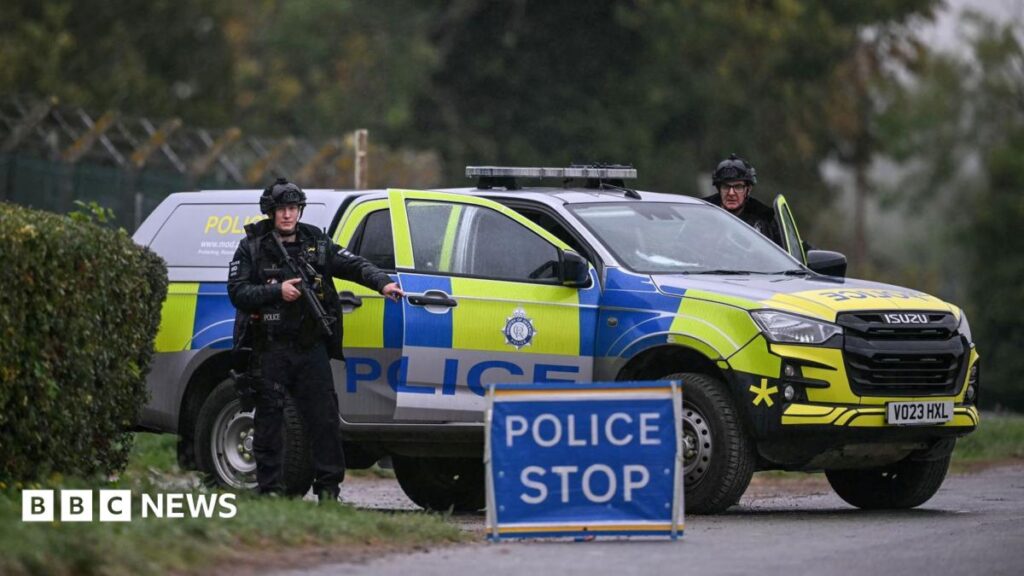
RAF Fairford, a U.S. Air Force‑operated base in Gloucestershire, has been a flashpoint this year after it hosted a convoy of nuclear‑armed B‑52 bombers as part of a NATO deterrence exercise. The presence of the bombers sparked protests from a coalition of human‑rights groups, anti‑war activists and members of the Iranian diaspora who view the deployment as a provocation amid heightened tensions over Iran’s nuclear programme.
London police reported a series of minor disturbances outside the base in early September, including attempts to breach the perimeter and a handful of arrests for public order offences. While most participants were released without charge, the episode amplified scrutiny from both the UK Home Office and the Foreign Office, which warned that any links to foreign intelligence services would be investigated rigorously.
The arrest of the dual national: what we know
On Thursday morning, a 25‑year‑old UK‑Iranian dual national was stopped by officers in the Westminster borough and taken into custody. Police cited “suspected involvement in activities that could jeopardise national security” as the legal basis for the arrest, a phrasing that mirrors language used in previous cases involving alleged foreign‑state influence.
The man was held at a local police station for several hours before being released on bail pending further inquiry. No formal charge has been filed yet, and his legal representatives have said they will contest the allegations, describing the arrest as “unjustified and politically motivated.”
Why the case matters for UK‑Iran relations and dual citizens
The incident arrives at a delicate moment in UK‑Iran diplomatic ties. Britain has recently imposed additional sanctions on Iranian officials over alleged cyber‑attacks, while Tehran has warned of “retaliatory measures” if Western nations continue to target its citizens abroad. A high‑profile arrest of a dual national therefore risks inflaming an already tense relationship.
For dual citizens, the case underscores a growing legal grey area. While UK law permits the detention of individuals suspected of acting on behalf of a foreign power, critics argue that the standards for evidence are vague, leaving people with ties to politically sensitive states vulnerable to prolonged investigations and travel bans.
A pattern of security‑related arrests of diaspora activists
The Westminster arrest is not an isolated event. Over the past two years, British authorities have detained several activists of Iranian, Russian and Chinese origin on similar security grounds, often linking them to alleged propaganda or espionage networks. According to a report by the charity Liberty, the number of such cases has risen by roughly 30 % since 2022.
These actions have sparked debate within civil‑society circles about the balance between legitimate security concerns and the right to political expression. Legal scholars warn that an over‑broad application of “national security” can erode trust between diaspora communities and the state, potentially driving dissent underground.
Potential repercussions for the Iranian community in Britain
The Iranian community, estimated at over 80,000 people in the UK, is likely to feel the ripple effects of the arrest. Community leaders have already called for a transparent investigation, fearing that the case could be used to stigmatise Iranian‑British citizens who are otherwise law‑abiding residents.
If the investigation proceeds, it may also impact cultural and business exchanges. Iranian‑run restaurants, art galleries and tech start‑ups often rely on cross‑border partnerships; heightened suspicion could deter investors and complicate visa applications for Iranian professionals seeking to work in the UK.
What could happen next: legal and diplomatic outlook
Legally, the dual national will likely face a series of hearings to determine whether formal charges will be brought. Under the Terrorism Act 2000, the Crown Prosecution Service must demonstrate a “reasonable prospect of conviction,” a threshold that has been contested in similar cases involving alleged foreign influence.
Diplomatically, the Iranian embassy in London is expected to lodge a formal protest, as it has done in past incidents involving Iranian nationals. The UK Foreign Office may need to balance its security narrative with assurances to the Iranian diaspora, possibly through a joint statement that clarifies the evidentiary standards required for such arrests.
Quick Answers
Why was the UK‑Iranian dual national arrested in Westminster?
Police said he was suspected of activities that could threaten national security, linked to the recent RAF Fairford protests.
What impact could the arrest have on UK‑Iran relations?
It could increase diplomatic tension, as Britain has recently sanctioned Iran and Tehran has warned of retaliation against its citizens abroad.
Are dual nationals often targeted in UK security cases?
Yes, reports show a rise in arrests of diaspora activists from countries like Iran, Russia and China on national‑security grounds over the past two years.
Source: www.bbc.co.uk


💬 Comments 0