Ukraine extends ceasefire in Kherson’s Oleshky town, easing humanitarian strain and African grain worries in 2026
Background: a fragile truce in a war‑torn region
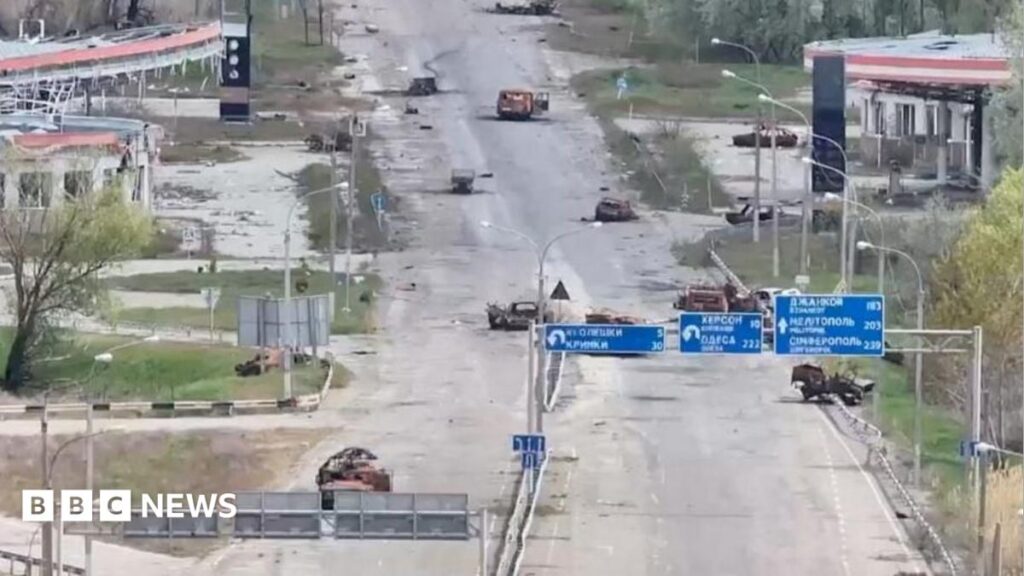
The Kherson oblast has been a flashpoint since Russia seized large parts of southern Ukraine in early 2022. After months of shifting front lines, the town of Oleshky – situated on the west bank of the Dnipro River – became a pocket of civilians cut off from both sides of the conflict. With bridges destroyed and crossing points limited, thousands of residents found themselves stranded, dependent on sporadic aid deliveries that often risked violating military protocols.
In March 2026, Ukrainian and Russian officials agreed on a limited ceasefire to allow humanitarian convoys to reach Oleshky. The arrangement was meant to be short‑lived, lasting only a few days, and was closely monitored by the United Nations Office for the Coordination of Humanitarian Affairs (OCHA). Both sides publicly claimed that the truce held without any reported breaches, a rare moment of cooperation amid a protracted war.
What the extension means on the ground
On October 27, 2026, the temporary ceasefire was extended for another week, giving aid agencies additional time to distribute food, medicine and winter heating supplies. Local NGOs report that the extra days have allowed them to reach an estimated 3,200 households that previously only received irregular drops of basic provisions.
The extension also opened a narrow window for engineers to inspect and repair a damaged water treatment plant on the town’s outskirts. According to a spokesperson for the Ukrainian Red Cross, the plant could resume limited operation within ten days, potentially restoring safe drinking water for up to 12,000 residents.
Both Moscow and Kyiv have reiterated that no military actions have taken place in the designated safe zone. While independent observers from the OSCE have not yet published a formal verification report, their preliminary statements echo the claim that the truce has been respected so far.
Why the ceasefire matters beyond Kherson
The extension carries weight for the global grain market, especially for African nations that rely heavily on Ukrainian wheat. The United Nations Food and Agriculture Organization (FAO) estimates that Africa imports roughly 30 percent of its wheat from Ukraine, and any disruption in the south can ripple through supply chains that affect bread prices from Lagos to Nairobi.
A stable humanitarian corridor in Oleshky reduces the risk of further damage to the nearby grain export routes that run through the Dnipro River basin. Analysts at the International Trade Centre note that even a small increase in Ukrainian grain flow can shave 0.4 percent off average wheat prices in East Africa, offering relief to already strained food‑insecure populations.
For the Ukrainian diaspora in Africa – a community of roughly 30,000 people spread across South Africa, Kenya and Nigeria – the ceasefire signals a possible easing of tensions that could enable family reunifications and business travel, which have been largely halted since the conflict escalated.
Connecting the ceasefire to a broader peace‑building trend
The Oleshky extension is part of a series of localized truces that have emerged across the front line since the start of 2025. In the Donetsk region, a similar pause allowed for the evacuation of civilians from a mining town, while in the Zaporizhzhia oblast, a week‑long lull facilitated the safe removal of unexploded ordnance.
These micro‑ceasefires reflect a growing recognition among combatants that prolonged total war is unsustainable. International mediators, including the African Union’s Peace and Security Council, have been urging both Kyiv and Moscow to adopt more “humanitarian‑first” approaches, arguing that protecting civilian lives can lay groundwork for any future diplomatic settlement.
Critics, however, warn that such temporary pauses risk becoming a strategic tool for regrouping forces. Russian defense analysts, quoted in a recent Russian Defense Ministry briefing, suggested that the ceasefire could be used to consolidate supply lines ahead of a planned spring offensive. Ukrainian officials counter that any military advantage is secondary to the immediate need to keep civilians alive.
What comes next: scenarios for the region and for Africa
If the ceasefire holds beyond the current extension, humanitarian agencies hope to negotiate a longer‑term corridor that would enable the transport of bulk grain from inland depots to the Black Sea ports of Kherson and Mykolaiv. Such a corridor could unlock up to 1.2 million tonnes of wheat destined for African markets, according to a report by the European Commission’s Trade Directorate.
Conversely, a breakdown in the truce could trigger a humanitarian crisis that forces thousands more to flee, potentially swelling refugee flows toward neighboring countries like Moldova and Romania, and indirectly affecting African migrant routes that pass through Europe.
For African policymakers, the situation underscores the importance of diversifying grain import sources. The African Union’s recent “Strategic Grain Reserve” initiative aims to increase intra‑continental production, but until those projects mature, stability in Ukrainian export corridors remains a critical factor for food security on the continent.
Quick Answers
Why was the ceasefire in Oleshky extended?
The extension gives aid groups extra time to deliver food, medicine and repair infrastructure, reducing civilian suffering and helping keep grain export routes functional.
How does the Kherson ceasefire affect African wheat imports?
A stable corridor can keep Ukrainian wheat flowing to the Black Sea, which supplies about 30% of Africa’s wheat, helping to stabilise prices in countries like Nigeria and Kenya.
What are the risks if the ceasefire breaks down?
A collapse could trigger a humanitarian emergency, displace more residents, disrupt grain shipments and potentially increase refugee movements toward Europe.
Source: www.bbc.co.uk




💬 Comments 0