Ukraine ramps up deep strikes into Russia’s Kursk region – impact on African grain imports and energy costs 2026
Background: From front‑line defense to cross‑border raids
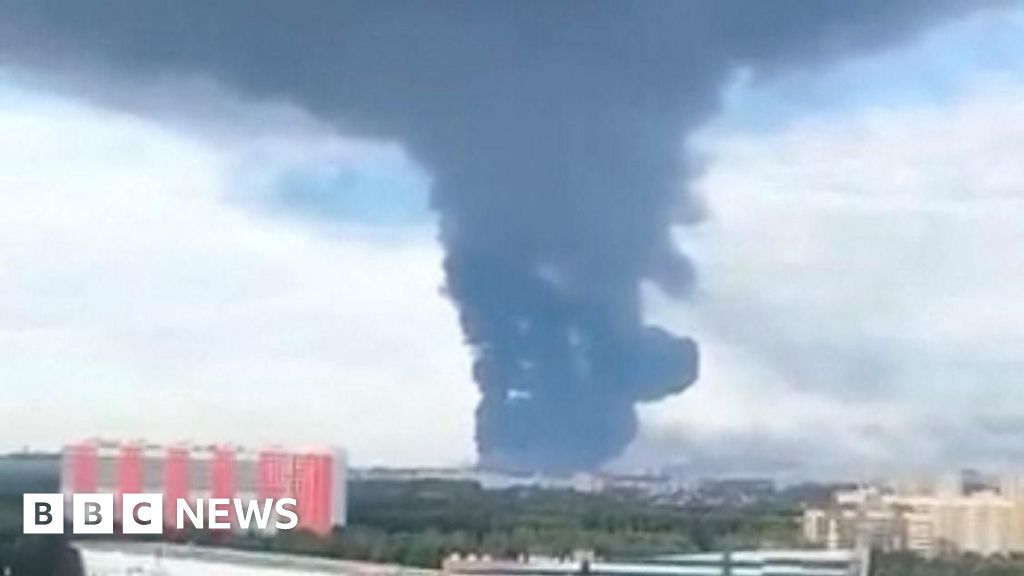
Since the spring of 2024, Kyiv has gradually shifted from a purely defensive posture to a more offensive strategy that reaches well beyond the Donbas. The most recent wave of attacks has focused on the Kursk and Belgorod oblasts, regions that sit just across the Russian border and host critical railways, ammunition depots and fuel storage sites. Ukrainian officials say the goal is to disrupt supply lines that feed the war machine in the east, a tactic that mirrors the deep‑strike campaigns seen in the 2022‑23 winter offensive.
The escalation follows a series of high‑profile drone and missile strikes on Russian logistical hubs in February and March 2026, which reportedly knocked out up to 30 percent of rail traffic on the Moscow‑Kursk corridor for several days. Analysts from the European Council on Foreign Relations note that these operations are designed to force Moscow to divert resources from the front lines to homeland defence, stretching its already thin manpower.
Why Ukraine is taking the war ‘deeper’ now
Ukrainian military planners argue that striking deeper into Russian territory creates a strategic dilemma for Moscow: protect its own infrastructure or continue feeding troops on the Ukrainian front. A senior commander in the Ukrainian Air Force told Kyiv Post that “each successful hit on a Russian supply node raises the cost of the war for the Kremlin and buys us time on the battlefield.”
The timing also coincides with a slowdown in Western military aid, as European capitals grapple with budget constraints after the 2025 energy crisis. By relying more on precision‑guided munitions and domestically produced drones, Kyiv hopes to sustain pressure without waiting for new shipments of Western hardware. This self‑reliance, however, raises the risk of retaliation against civilian targets deeper inside Russia, a prospect that has already sparked debate in international forums.
Economic ripple effects for Africa: grain, fertilizer and energy
The deeper strikes threaten two commodities that are lifelines for many African economies: wheat and fertilizer. Ukraine supplies roughly 12 percent of Africa’s wheat imports, while Russia accounts for about 30 percent of the continent’s nitrogen‑based fertilizers. Disruptions to Russian rail lines that move fertilizer from the Volga region to ports on the Black Sea could tighten global supplies, pushing prices higher for African farmers already coping with climate‑related yield losses.
At the same time, the attacks have forced Russia to consider redirecting some of its oil and gas exports away from Europe toward Asian markets, a shift that could alter pricing dynamics for African nations that import liquefied natural gas (LNG) from Russia. According to a 2026 report by the African Development Bank, a 5‑percent rise in global gas prices would increase electricity generation costs in South Africa and Kenya by an estimated 0.8‑percent of GDP.
African diplomatic and diaspora reactions
African governments have responded with cautious concern. The African Union’s Peace and Security Council issued a statement in June 2026 urging “all parties to avoid escalation that could destabilise global food and energy markets, which directly affect African citizens.” Nigeria’s foreign ministry, speaking at a UN session, warned that “any further disruption to grain shipments will exacerbate the hunger crisis already gripping the Sahel.”
The Ukrainian diaspora in South Africa and the United Kingdom has organised solidarity rallies, highlighting the humanitarian toll of the conflict while also calling for stronger sanctions against Russia. Yet some diaspora business groups, especially those involved in commodity trading, have expressed anxiety over market volatility that could erode profit margins and complicate logistics for African importers.
What’s next: possible escalation and its African fallout
Looking ahead, experts say the next few months will determine whether Kyiv’s deep‑strike campaign forces Moscow to the negotiating table or provokes a harsher retaliatory wave. Russian officials have hinted at expanding the “counter‑strike zone” to include more Ukrainian cities, a move that could trigger a new round of sanctions and further disrupt trade routes through the Black Sea.
For Africa, the stakes are clear: any prolongation of the conflict will keep grain prices volatile and could delay the rollout of the continent’s own fertilizer‑production projects, such as the planned nitrogen plant in Egypt. Policymakers are therefore urged to diversify supply chains, increase strategic grain reserves, and accelerate investments in renewable energy to reduce dependence on volatile Russian gas supplies.
Quick Answers
How do Ukraine's deep strikes into Russia affect African wheat imports?
They risk disrupting Ukrainian grain exports and Russian fertilizer supplies, which could push wheat prices in Africa higher and strain food‑security programs.
Will higher Russian gas prices impact African electricity costs?
Yes, a rise in global gas prices can increase LNG import costs for countries like South Africa and Kenya, raising electricity generation expenses.
What is the African Union’s stance on Ukraine’s new offensive tactics?
The AU has called for restraint, warning that escalation could destabilise global food and energy markets that many African nations rely on.
Source: www.bbc.co.uk




💬 Comments 0