UN veto power: why the five permanent members still dominate in 2026 and Africa’s stakes
Background: The UN voting system and the P5 veto
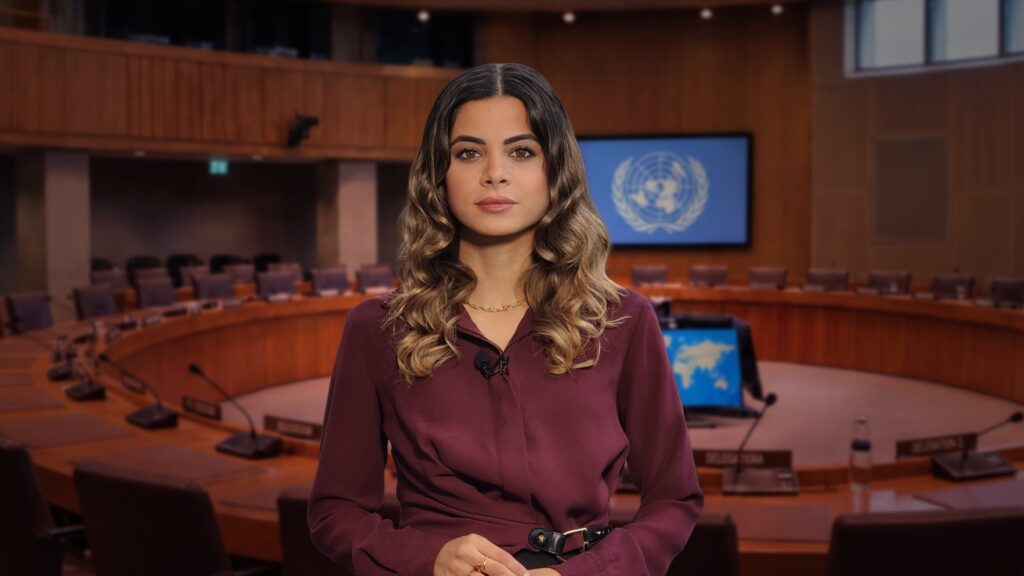
The United Nations General Assembly gives every member state a single vote, but real power lies in the Security Council, where fifteen countries decide on peace‑and‑security measures. Five of those – the United States, United Kingdom, France, Russia and China – enjoy a permanent seat and, crucially, the right to veto any substantive resolution.
The veto was baked into the UN Charter in 1945 as a safeguard for the victors of World War II, ensuring that any major action would have the backing of the great powers. In practice, it means a single dissenting P5 member can block sanctions, peacekeeping mandates or even humanitarian interventions, regardless of how many other nations support the proposal.
While the General Assembly can pass non‑binding resolutions on a range of issues, the Security Council’s decisions are legally enforceable. This structural asymmetry has made the veto a focal point of criticism, especially when the five permanent members use it to protect their own geopolitical interests.
How the veto shapes global decisions
In recent years the veto has been invoked to stall actions on the Syrian civil war, the Israel‑Gaza conflict and the war in Ukraine. Each time, the P5’s divergent interests have produced gridlock, leaving the international community with limited tools to intervene or enforce ceasefires.
Beyond conflict, the veto influences climate finance and development aid. When the Council debates sanctions on a country that is a major carbon emitter, a single P5 objection can delay measures that would otherwise pressure the state to adopt greener policies. This has drawn ire from African nations that are already bearing the brunt of climate change.
The power to veto also extends to the appointment of the UN Secretary‑General and the composition of peacekeeping missions. Critics argue that the P5’s ability to shape these appointments gives them outsized influence over the UN’s agenda, often at the expense of smaller states’ priorities.
Why African countries feel the pinch
Africa hosts the highest number of UN peacekeeping operations, accounting for roughly 70 % of troop contributions. Yet African governments regularly see their proposals for stronger mandates or faster deployment blocked by a P5 veto, as happened with the 2022 resolution on the Sahel crisis.
The veto also affects African trade and investment. When the Council debates sanctions on a country that controls key mineral supply chains – such as cobalt from the Democratic Republic of Congo – a P5 member with commercial ties can veto measures that would otherwise protect African mining communities from exploitation.
Diaspora organisations point out that the veto undermines the principle of “one country, one vote” that the UN espouses. They argue that when the five permanent members act unilaterally, it erodes confidence in multilateralism among Africans living abroad, who often rely on the UN for humanitarian assistance and migration protection.
The push for Security Council reform
Since the early 2000s, the African Union has campaigned for at least two permanent seats for the continent, with Nigeria, South Africa and Egypt frequently mentioned as frontrunners. In 2023 the AU adopted a “Common African Position” calling for a more equitable Security Council that reflects today’s geopolitical realities.
In 2025 a group of 30 African states submitted a joint proposal to the General Assembly urging an expansion of permanent membership and the limitation of veto use to matters of direct threat to international peace. According to the African Union, the proposal gained the support of over 130 nations, but it still faces stiff resistance from the P5, who fear dilution of their influence.
The reform debate has also sparked a wave of regional diplomatic activity. Nigerian diplomats have been lobbying the European Union, while South African officials are engaging with Asian powers to build a coalition that could pressure the P5 into compromise. These efforts illustrate how the veto issue is reshaping Africa’s foreign‑policy priorities.
What the next months could bring for the P5 and Africa
The UN General Assembly will convene its annual high‑level debate on Security Council reform in October 2026. While the P5 have signaled a willingness to discuss “procedural adjustments,” they have stopped short of conceding any permanent seat to Africa, according to insiders at the UN Secretariat.
If the General Assembly adopts a resolution that limits veto use to matters of direct armed conflict, African peacekeeping missions could see faster authorisation and more robust mandates. Conversely, a failure to reach consensus may deepen frustration across the continent and fuel calls for alternative regional security architectures, such as an expanded African Standby Force.
For African civil society, the coming weeks will be a test of whether diplomatic pressure can translate into concrete change. NGOs are preparing campaigns that link the veto debate to climate justice, gender equality and youth employment, hoping to broaden the coalition that demands a more accountable Security Council.
Quick Answers
What is the United Nations veto power?
The veto allows any of the five permanent Security Council members – the US, UK, France, Russia and China – to block a substantive resolution, preventing it from becoming binding regardless of other votes.
Which African countries are seeking permanent seats on the UN Security Council?
Nigeria, South Africa and Egypt are the most frequently cited candidates, backed by a broader African Union push for at least two permanent seats for the continent.
How could limiting the veto affect African peacekeeping missions?
Restricting veto use to direct threats of armed conflict would make it easier for the Council to approve or expand peacekeeping mandates, potentially speeding up deployments in African crises.
Source: www.aljazeera.com


💬 Comments 0