US Air Force removes all bombers from RAF Fairford after suspicious vehicle alert, 2026
Why RAF Fairford matters to the US and its allies
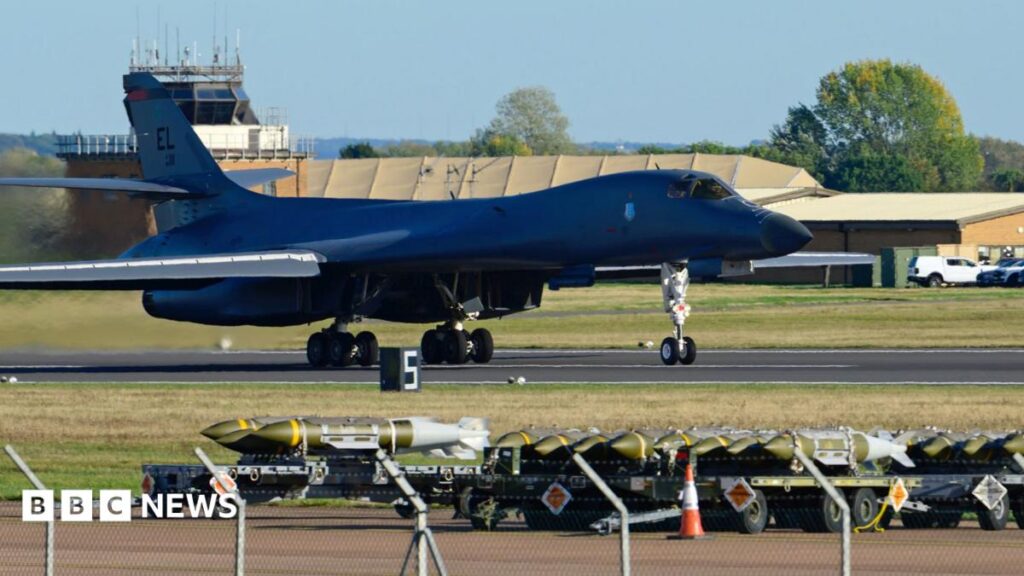
RAF Fairford, a sprawling airfield in Gloucestershire, has been the principal forward base for United States Air Force (USAF) strategic bombers in Europe since the early 2000s. The runway’s length—over 12,000 feet—allows heavy aircraft such as B‑1B Lancers, B‑2 Spirits and the newly deployed B‑52 Stratofortresses to land, refuel and launch missions without needing a stop in the United Kingdom’s mainland.
Beyond its physical capabilities, the base serves a diplomatic function. Its presence signals the United States’ commitment to NATO’s collective defence, especially after Russia’s 2022 invasion of Ukraine. The bombers stationed at Fairford have routinely flown patrols over the North Atlantic and have been used as launch points for strikes in the Middle East, the Sahel and the Horn of Africa, where the US conducts counter‑terrorism operations under the Africa Command (AFRICOM) umbrella.
What triggered the abrupt withdrawal
On 2 October 2026, police in the Cotswolds were alerted to “suspicious vehicles” parked near the perimeter of the airbase, according to the BBC. The alert prompted a temporary lockdown and a sweep by British security services, but officials did not disclose any details about the nature of the vehicles or the outcome of the investigation.
A day later, the United States Air Force announced that it had removed all its bomber aircraft from RAF Fairford. No formal explanation was offered by the Pentagon, and UK defence spokespersons described the move as “a logistical decision pending further review.” Sources close to the base say the withdrawal was executed swiftly to avoid leaving high‑value assets vulnerable while the security probe continued.
Implications for transatlantic security architecture
The sudden disappearance of US bombers from a key NATO outpost raises questions about the reliability of forward‑deployed forces. While the United Kingdom still hosts other US assets—such as the F‑35 joint strike fighter fleet and intelligence‑gathering platforms—the loss of strategic bombers reduces the quick‑reaction strike envelope that NATO allies have relied upon for deterrence against Russian aggression.
Analysts at the Royal United Services Institute (RUSI) warn that the incident could embolden adversaries to test the resolve of the alliance in other theatres. Without a ready bomber presence in the UK, the United States may need to reroute aircraft through bases in Italy or Germany, lengthening response times for any crisis that demands long‑range precision strikes.
How the pull‑out reverberates across Africa
AFRICOM’s operational reach often hinges on the ability to launch long‑range sorties from European staging points. In the past year, bombers based at Fairford have flown missions supporting the Sahel Joint Force, targeting extremist hide‑outs in Mali and Burkina Faso. The removal of those aircraft could force the US to depend more heavily on airfields in Djibouti, Niger or even temporary deployments to Kenya, stretching logistics and increasing costs.
For African governments that view US air power as a stabilising factor, the development may be unsettling. Nigeria’s defence ministry, for instance, has publicly praised the partnership that enables rapid strike capability against Boko‑Harām insurgents. If the United States has to shift assets farther south, the window for real‑time support could shrink, potentially prompting African states to look for alternative partners, including the growing Russian and Chinese military footprints on the continent.
Reactions and the road ahead
British officials have called for a joint review of security protocols at all overseas bases, noting that “the safety of our personnel and our partners remains paramount.” In Parliament, opposition MPs have pressed the Ministry of Defence for a transparent timeline on when, if ever, US bombers will return to Fairford.
The United States, meanwhile, appears to be weighing options. A senior Pentagon official, speaking on condition of anonymity, said the service is “assessing whether a temporary relocation to other NATO airfields can meet operational requirements while we address the security concerns raised in the UK.” If a permanent shift occurs, it could reshape the logistics chain that underpins US‑led operations from Europe to Africa and the Middle East for the foreseeable future.
Quick Answers
Why did the US Air Force pull bombers from RAF Fairford?
The withdrawal followed a police alert about suspicious vehicles near the base; officials cited security concerns but gave no detailed explanation.
What impact could the bomber removal have on US operations in Africa?
It may force the US to launch missions from more distant bases, increasing response times and logistics costs for counter‑terrorism efforts in the Sahel and Horn of Africa.
Will the bombers return to RAF Fairford?
The Pentagon says it is reviewing the situation, but no timeline has been set for a possible return.
Source: www.bbc.co.uk



💬 Comments 0