US and Denmark sign Greenland security pact after Trump annexation threats, 2026 deal details
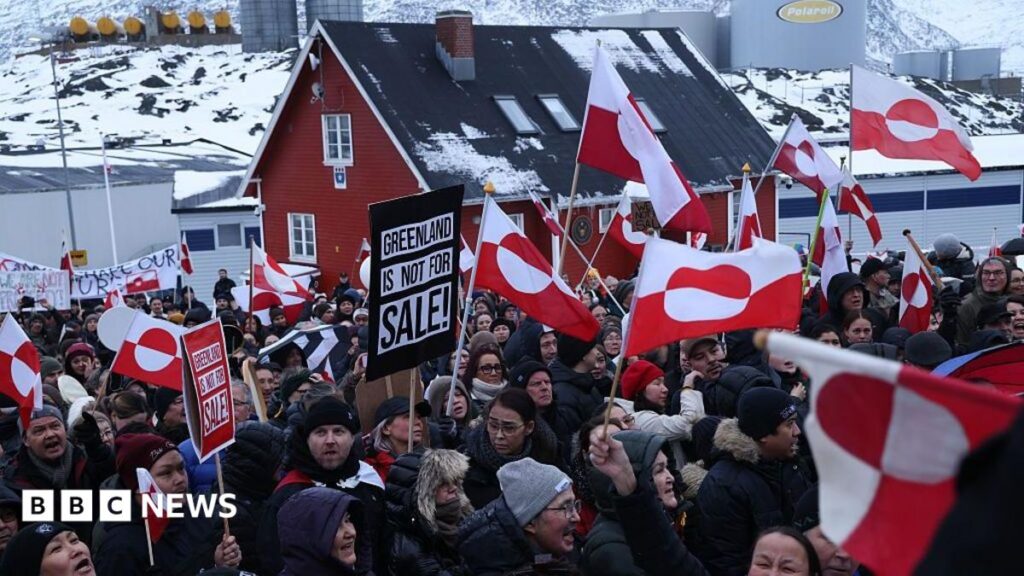
Background: Why Greenland has become a flashpoint
Greenland, an autonomous territory of Denmark, sits atop vast untapped mineral deposits, strategic airfields, and a crucial position on emerging Arctic shipping lanes. Over the past decade, both the United States and China have courted the island, seeing it as a gateway to the Arctic’s future economic and military significance.
Former President Donald Trump raised the prospect of annexing Greenland in 2019, a move that rattled Copenhagen and sparked a wave of diplomatic protests. While the idea was quickly dismissed, it left a lingering sense that the United States might pursue a more formal security foothold on the island, especially as climate change accelerates ice melt and opens new routes.
The 2026 US‑Denmark agreement in brief
In March 2026, the United States and Denmark announced a bilateral security arrangement that grants the US “permanent control over security, and all other needs, in Greenland,” according to statements from the White House. The deal, however, stops short of transferring sovereignty; Denmark retains full political authority while the US gains expanded access to airbases, radar installations, and joint research facilities.
Details of the agreement remain largely classified, but officials from the Danish Ministry of Foreign Affairs confirmed that the pact includes joint funding for infrastructure upgrades, a commitment to protect Greenlandic communities, and a clause that any future military activity must be coordinated with the Greenlandic government.
Why the deal matters on the global stage
The pact cements the United States’ position as the dominant NATO player in the High North, directly countering China’s growing Arctic ambitions. Analysts at the International Institute for Strategic Studies note that the agreement could tip the balance in future negotiations over Arctic resource extraction and navigation rights.
At the same time, the arrangement sends a clear signal to Russia that NATO’s northern flank is being reinforced. Moscow has repeatedly warned that any militarisation of the Arctic could provoke a new security dilemma, and the US‑Denmark deal may intensify that rhetoric in upcoming NATO summits.
Implications for Africa and the African diaspora
While Greenland is far from the African continent, the security pact has indirect consequences for African economies. The opening of Arctic sea routes shortens shipping times between Europe and Asia, potentially reshaping trade patterns that affect African exporters of oil, minerals, and agricultural goods. Faster routes could lower freight costs for African producers, but also increase competition from Asian markets that will now have more direct access to European ports.
Furthermore, the United States’ focus on Arctic security may divert attention and resources away from its growing strategic partnership with African nations on climate resilience. African climate advocates worry that a US pivot to the Arctic could slow funding for renewable‑energy projects and adaptation programmes across the continent, especially as the continent grapples with rising temperatures and desertification.
What comes next: next steps and potential flashpoints
The agreement calls for a joint US‑Danish task force to oversee implementation, with the first review slated for late 2027. Observers expect that the United States will seek to upgrade Thule Air Base and establish a new logistics hub near Nuuk, projects that will require environmental impact assessments and local consultation.
Greenlandic leaders have expressed cautious optimism, emphasizing that any development must respect indigenous rights and the island’s fragile ecosystem. If the US proceeds without meaningful local engagement, protests could echo the anti‑mining demonstrations seen in West Africa, where communities have successfully delayed projects that threatened their lands.
Quick Answers
What does the US‑Denmark Greenland security pact allow the United States to do?
It gives the United States permanent control over security operations and related infrastructure in Greenland while Denmark retains political sovereignty.
How could the Greenland deal affect African trade?
New Arctic shipping lanes may lower freight costs for African exporters, but could also increase competition from Asian markets that gain faster access to Europe.
When will the first review of the agreement take place?
The joint task force is scheduled to conduct its first formal review of the pact in late 2027.
Source: www.bbc.co.uk




💬 Comments 0