US and Lebanon shelter Syrian General Bassam al-Hassan linked to Austin Tice abduction, 2026 reveal
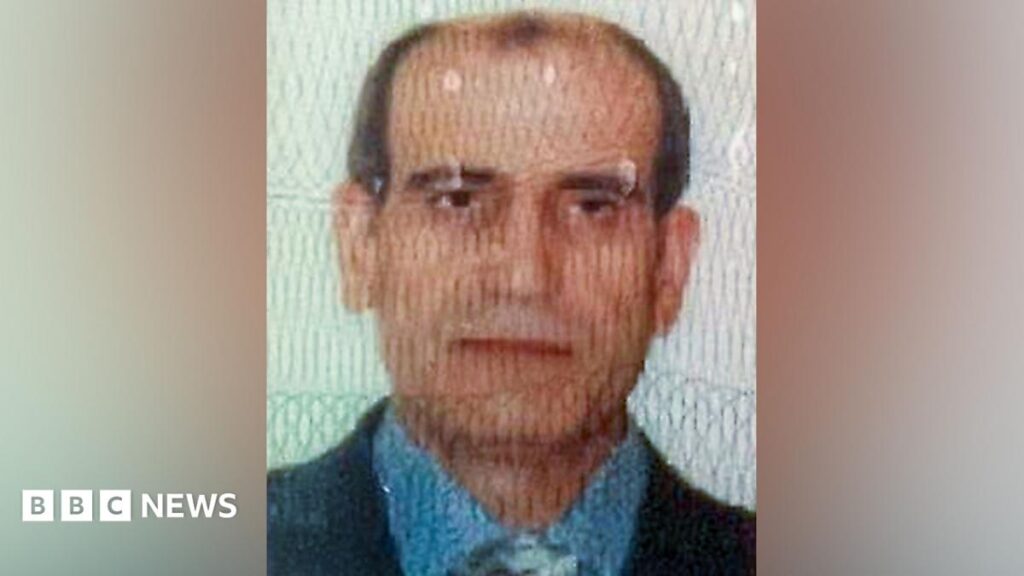
Background: The man at the centre of a high‑profile kidnapping
Bassam al‑Hassan, a senior Syrian army officer, rose to prominence during the civil war for his role in intelligence and counter‑insurgency operations. In 2012 he was allegedly involved in the disappearance of American journalist Austin Tice, whose fate remains unresolved despite extensive diplomatic pressure.
Tice, a former Wall Street Journal reporter, vanished while covering rebel activities in Aleppo. His disappearance sparked a campaign by the US State Department and press freedom groups, who have repeatedly demanded answers and accountability from the Syrian regime.
What the BBC investigation uncovered
A BBC investigative team, using satellite imagery, flight‑track data and interviews with former Lebanese officials, says al‑Hassan has been living in a discreet compound in the Bekaa Valley since at least 2020. The report claims the Lebanese authorities, with tacit US approval, have offered him protection in exchange for intelligence on remaining Syrian militia networks.
According to the BBC, the arrangement is not a formal extradition treaty but a “quiet accommodation” that allows al‑Hassan to avoid arrest by the International Criminal Court (ICC) or any future Syrian‑led war‑crimes tribunal. The investigation also cites leaked diplomatic cables suggesting that US officials see al‑Hassan’s knowledge as a strategic asset in counter‑terrorism operations across the Levant.
Why the sheltering matters for international law and US credibility
Providing a safe haven to a figure implicated in a journalist’s disappearance undermines the US’s public stance on human‑rights enforcement. Critics argue that the move creates a double standard: the US condemns authoritarian abuses while quietly protecting individuals who may have committed them.
Legal experts point out that the ICC has issued a provisional arrest warrant for al‑Hassan. By allowing him to remain free in Lebanon, the US and Lebanese authorities risk being seen as obstructing justice, a charge that could be leveraged by rival powers such as Russia or China to question the legitimacy of Western‑led accountability mechanisms.
Implications for African states and the diaspora
African nations that host Syrian refugees—particularly Uganda, Kenya and Tanzania—watch these developments closely. The perception that war‑lords can evade justice with Western backing may affect how African host governments negotiate protection agreements with the United Nations and donor countries.
Furthermore, the Syrian diaspora in Europe and North America, many of whom have African‑origin family ties, has raised concerns that the case sets a precedent for impunity. If the US is willing to trade protection for intelligence, African activists fear similar deals could be struck with leaders accused of crimes in the Democratic Republic of Congo, Sudan or the Sahel, where US counter‑terrorism interests are also strong.
Reactions from stakeholders across the region
Human‑rights organisations, including Amnesty International and the Committee to Protect Journalists, have condemned the alleged arrangement, calling it a betrayal of Tice’s family and of global press‑freedom norms. Their statements urge the US to demand al‑Hassan’s surrender to an international tribunal.
Lebanese civil society groups, while acknowledging the country’s fragile political balance, have expressed unease about becoming a sanctuary for foreign war criminals. A spokesperson for the Lebanese Transparency Initiative warned that such covert deals could erode public trust in the government’s commitment to the rule of law.
What comes next: diplomatic pressure and possible fallout
The US Senate’s Foreign Relations Committee is reportedly preparing a hearing on the matter, with several members demanding a full briefing on the alleged quid‑pro‑quo. If the hearing proceeds, it could force Washington to clarify whether the protection of al‑Hassan was a sanctioned policy or a rogue operation by a few intelligence officials.
On the ground in Lebanon, any move to hand over al‑Hassan could trigger political backlash from factions that view him as a useful ally against Hezbollah and Iranian influence. Analysts warn that a sudden shift could destabilise an already volatile security environment, potentially spilling over into neighboring Syria and affecting cross‑border trade routes that many African exporters rely on.
Quick Answers
Who is Bassam al‑Hassan and why is he important?
Bassam al‑Hassan is a senior Syrian army officer alleged to have helped abduct journalist Austin Tice; he is wanted by the ICC for possible war‑crimes.
What did the BBC report about US and Lebanese involvement?
The BBC says the US and Lebanese authorities have quietly sheltered al‑Hassan in the Bekaa Valley in exchange for intelligence on Syrian militia networks.
How could this case affect African countries hosting Syrian refugees?
It may raise concerns that war criminals can evade justice with Western support, influencing how African host nations negotiate protection and accountability agreements.
Source: www.bbc.co.uk




💬 Comments 0