US Announces 2026 Sanctions on ICC Judges, Prompting Global Rule‑of‑Law Backlash
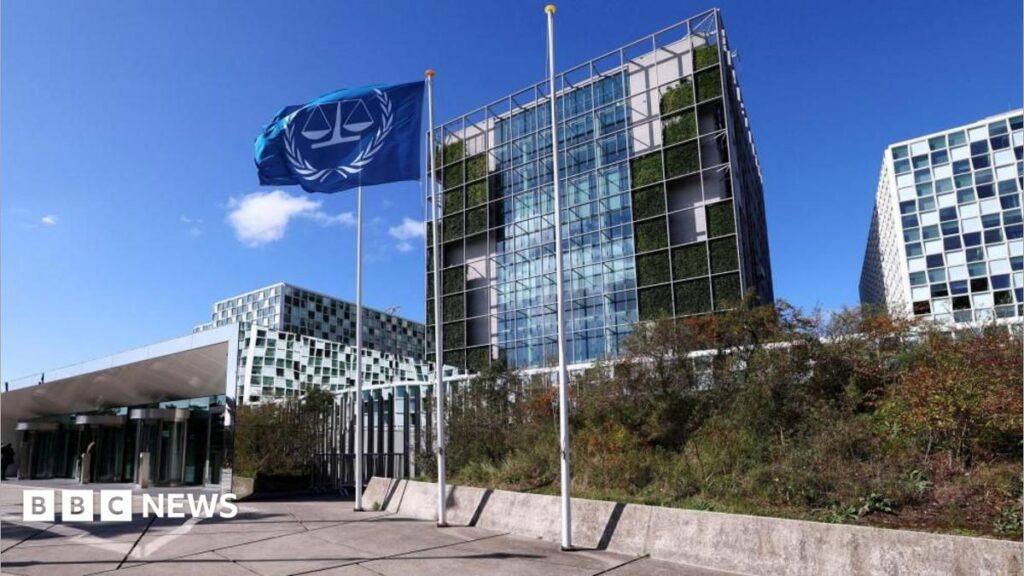
Background: A Decade of US‑ICC Friction
The International Criminal Court (ICC) has long been a flashpoint in Washington’s foreign‑policy calculus. Since the United States signed the Rome Statute in 2000 but later withdrew its signature, successive administrations have accused the court of over‑reaching, especially when investigations touch on US personnel or allies.
In 2020, the Trump administration passed the American Service-Members’ Protection Act, which authorized sanctions against ICC officials deemed to be threatening US interests. The Biden administration kept the law on the books but signaled a softer tone, focusing on diplomatic engagement rather than punitive measures.
The latest move revives a dormant provision that allows the Treasury’s Office of Foreign Assets Control (OFAC) to freeze assets and bar travel for individuals the US government labels as obstructing its national security. By targeting ICC judges and prosecutors, Washington is turning a legal dispute into a financial one.
The Sanctions Announcement: What the US Said
On October 9, 2026, the State Department released a statement declaring that three senior ICC officials would be placed on the Specially Designated Nationals (SDN) list. The announcement cited “repeated attempts to undermine US‑led counter‑terrorism operations” as the justification.
The sanctions freeze any US‑based assets the officials hold, prohibit US persons from doing business with them, and bar the trio from entering the United States. The targeted individuals include ICC Vice‑President Luz del Carmen Ibáñez, a senior prosecutor from the Office of the Prosecutor, and a senior legal adviser.
The United States framed the move as a defensive measure, arguing that the ICC’s investigations into alleged war crimes in Afghanistan and Ukraine have become politicised tools that could be used to prosecute US soldiers and contractors without due process.
Immediate Reactions: Legal Outcry and Diplomatic Pushback
The ICC’s own press release called the sanctions “an assault on the rule of law and the independence of the court,” warning that the action could set a dangerous precedent for other states to weaponise financial measures against international judges.
Member states such as the United Kingdom, Canada, and several European Union nations issued statements saying they “strongly disagree” with the US approach and will consider diplomatic avenues to contest the sanctions at the UN Security Council.
Human‑rights NGOs, including Amnesty International and Human Rights Watch, have filed amicus briefs with the US Court of Appeals, arguing that the sanctions violate international law and undermine the ICC’s mandate to hold perpetrators of mass atrocities accountable.
Why It Matters for Africa: Ongoing ICC Cases and Regional Perceptions
Africa remains the continent with the highest number of ICC investigations, ranging from the Darfur conflict in Sudan to alleged crimes in the Central African Republic and Kenya’s post‑election violence. Many African leaders have already expressed scepticism toward the court, accusing it of disproportionate focus on the continent.
The US sanctions could embolden African governments that have resisted ICC cooperation, such as Sudan’s transitional authorities, which have hinted that external pressure may push them to renegotiate the court’s jurisdiction over their nationals. This could stall ongoing investigations into alleged war crimes in Darfur, delaying justice for victims.
For the African diaspora, especially activists and journalists who monitor ICC proceedings, the sanctions raise concerns about the safety of whistle‑blowers and legal experts who collaborate with the court. If the US can sanction ICC officials, similar tactics might later be aimed at African lawyers or NGOs perceived as “obstructing” US interests.
A Broader Trend: The US Turning Sanctions into a Diplomatic Weapon
Washington’s latest move fits a pattern of using economic levers to punish international bodies that challenge its policies. In recent years, the US has sanctioned United Nations officials, World Health Organization staff, and even the International Labour Organization for alleged bias or non‑compliance with US‑defined standards.
Critics argue that this approach erodes multilateralism by creating a chilling effect: institutions may self‑censor to avoid financial retaliation. Proponents, however, claim that sanctions are a non‑military tool that can compel reforms without resorting to force.
The ICC case also highlights a clash between two competing visions of global governance: one that privileges sovereign immunity and national security, and another that insists on universal accountability for crimes against humanity. How the sanctions are enforced—and whether they survive legal challenges—will signal which vision is gaining traction.
What’s Next? Legal Battles, Diplomatic Maneuvers, and Possible Compromises
Legal experts anticipate that the sanctioned ICC officials will appeal the designation in US courts, citing procedural flaws and violations of international law. Past attempts to overturn similar sanctions have had mixed outcomes, suggesting a protracted legal saga ahead.
On the diplomatic front, the United Nations is expected to convene an emergency session of the General Assembly to discuss the implications for the ICC’s independence. Some African Union members have already called for a joint statement condemning the US action as “neo‑colonial interference.”
If the sanctions are upheld, the United States may face pressure to negotiate a limited waiver or a new memorandum of understanding with the ICC that clarifies the court’s jurisdiction over US nationals. Conversely, a successful legal challenge could restore the targeted judges’ ability to travel and access assets, reaffirming the court’s operational autonomy.
Quick Answers
What are the US sanctions on ICC officials about?
The United States placed three senior ICC officials on its sanctions list, freezing any US assets they hold and banning them from entering the country, citing alleged attempts to undermine US security interests.
How could the sanctions affect African ICC cases?
The move may embolden African governments skeptical of the ICC, potentially slowing investigations into alleged war crimes in places like Sudan and the Central African Republic.
Can the sanctioned ICC officials challenge the US decision?
Yes, they can appeal the designation in US courts, arguing that the sanctions violate procedural rules and international law.
Source: www.bbc.co.uk




💬 Comments 0