US approves sale of 500 Patriot missiles to Ukraine in 2026, reshaping global arms dynamics
Background: Ukraine’s desperate need for high‑end air defence
Since Russia’s full‑scale invasion in February 2022, Ukraine has struggled to protect its cities and critical infrastructure from a barrage of ballistic and cruise missiles. Early in the war, the country relied on Soviet‑era systems such as the S‑300 and Buk, which proved inadequate against newer Russian hypersonic weapons and long‑range rockets.
Western allies have responded with a steady stream of aid, ranging from short‑range Stinger missiles to advanced Western air‑defence platforms. The United States has been the largest supplier, providing Javelin anti‑tank missiles, HIMARS rocket systems and, more recently, components for the Patriot surface‑to‑air system. The latest approval for 500 Patriot interceptors marks the most significant upgrade to Ukraine’s high‑altitude defence capability to date.
What the sale entails: 500 Patriot interceptors and support
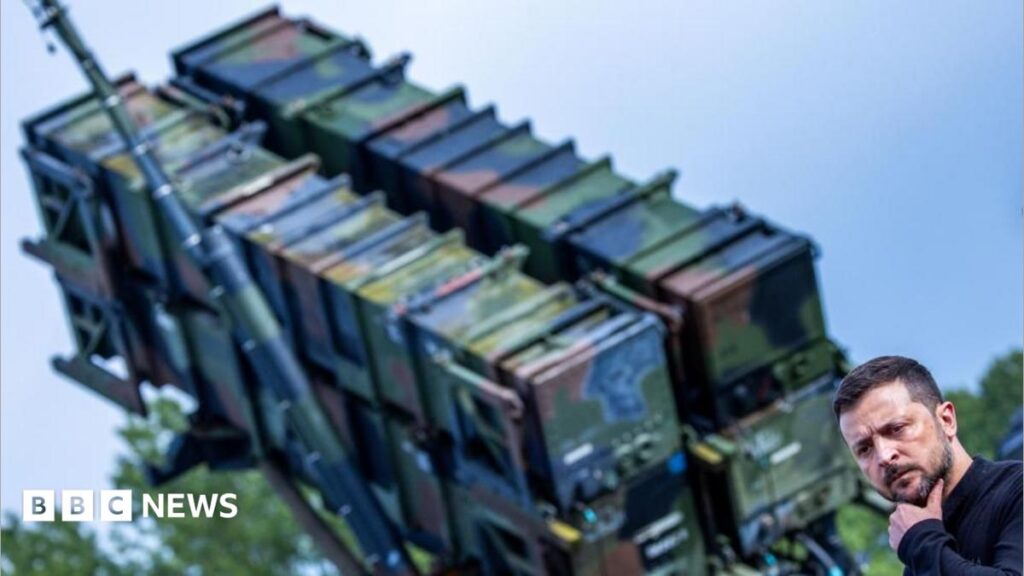
The Department of State’s notification to Congress confirms the transfer of 500 PAC‑3 MSE (Missile Segment Enhancement) interceptors, the most advanced variant in the Patriot family. These missiles can engage ballistic missiles, cruise missiles, and advanced aircraft at ranges up to 40 kilometres and altitudes of 30 kilometres.
Alongside the interceptors, the package includes training for Ukrainian crews, spare parts, and a limited amount of launchers to integrate the new missiles into existing Patriot batteries already operating in the country. The total value of the deal is estimated at roughly $2.4 billion, according to the U.S. State Department’s public brief.
The sale required a green light from the U.S. Congress under the Arms Export Control Act, a step that underscores bipartisan support for Ukraine’s defence despite lingering concerns about escalation with Moscow.
Why it matters: Shifting the balance in the Eastern European theatre
Patriot interceptors are widely regarded as the only proven system capable of reliably shooting down Russia’s newest ballistic missiles, such as the Iskander‑M and the Kinzhal hypersonic glide vehicle. By bolstering Ukraine’s high‑altitude shield, the United States aims to reduce civilian casualties and protect key energy and logistics hubs that have been repeatedly targeted.
Strategically, the move also sends a clear signal to Moscow that the West is prepared to deepen its military support. Analysts at the International Institute for Strategic Studies suggest that the presence of Patriots could force Russian planners to divert resources to electronic warfare and decoy tactics, potentially slowing the tempo of their offensive operations.
Beyond the battlefield, the sale reinforces the United States’ commitment to its European allies under NATO’s collective defence framework. It demonstrates that the U.S. is willing to invest heavily in sophisticated, high‑cost weaponry, which may encourage other NATO members to follow suit with similar upgrades for Ukraine.
Implications for Africa: Arms markets, Russian ties and security calculus
While the transaction is centred on a European conflict, its ripple effects are already being felt across Africa. Several African states – notably Mali, the Central African Republic (CAR) and Burkina Faso – have procured Russian‑made air‑defence systems such as the Pantsir‑S1. The heightened U.S. focus on Patriot technology could tilt the continent’s arms market toward Western suppliers, especially as the United States looks to expand defence cooperation with African partners under the Africa Security Cooperation Agenda.
For countries that rely on Russian equipment, the sale may raise concerns about the longevity of their own systems. Russian manufacturers have warned that increased U.S. sales to Ukraine could trigger stricter export controls on components that are also used in African weapons platforms. This could force African militaries to seek alternative sources or invest in upgrades that are compatible with both Russian and Western tech—a costly endeavour for cash‑strapped defence budgets.
Conversely, the deal highlights a growing demand for high‑end air‑defence capabilities on the continent. Nations facing threats from non‑state actors, such as the Sahel’s jihadist insurgencies, have begun to explore integrated air‑defence solutions that combine radar, command‑and‑control and missile interceptors. The Patriot system, despite its price tag, serves as a benchmark that African procurement officials now reference when drafting their own defence plans.
Reactions: From Kyiv to Moscow and beyond
Ukrainian President Volodymyr Zelensky thanked the United States, describing the interceptors as “a lifeline for our people” and promising to deploy them as quickly as training permits. Kyiv’s defence ministry indicated that the first batch of missiles could be operational by early 2027, once crews complete the intensive Patriot‑system curriculum in the United States and Germany.
Moscow denounced the sale as a violation of the United Nations Charter and warned of “proportionate” retaliation. Russian foreign ministry statements have hinted at expanding its own air‑defence exports to African partners, positioning Moscow as a cheaper alternative to the Patriot for nations with limited budgets.
In Washington, the move was praised by senior officials as a “decisive step toward safeguarding civilian lives.” However, a handful of U.S. lawmakers raised concerns about the financial burden and the risk of further escalation, urging the administration to couple military aid with a renewed diplomatic push for a ceasefire.
What’s next: Potential escalation and the future of global arms trade
The arrival of Patriot interceptors in Ukraine could prompt Russia to accelerate its own missile development programmes, potentially introducing more hypersonic weapons or expanding its electronic‑warfare capabilities. Experts at the Royal United Services Institute warn that a “technology race” could emerge, with both sides seeking ever‑more sophisticated counter‑measures.
On the commercial side, the sale underscores a broader trend: the United States is increasingly using high‑value weapons sales as a tool of foreign policy. This could reshape the global arms market, prompting European and Asian manufacturers to compete for contracts in regions traditionally dominated by Russian and Chinese suppliers, including Africa’s emerging defence sector.
For African policymakers, the key takeaway is to diversify supply chains and invest in indigenous research and development. Nations that can blend Western technology with locally produced components will be better positioned to navigate the shifting geopolitical landscape and avoid over‑reliance on any single supplier.
Quick Answers
When will the Patriot missiles be delivered to Ukraine?
The first batch is expected to arrive in early 2027 after Ukrainian crews complete training in the United States and Germany.
How does the sale affect African countries that use Russian weapons?
It may pressure them to reconsider their reliance on Russian systems, as tighter export controls could limit spare‑parts availability, prompting a shift toward Western alternatives.
What type of Patriot interceptors are being sold?
The United States approved the sale of 500 PAC‑3 MSE (Missile Segment Enhancement) interceptors, the most advanced variant in the Patriot family.
Source: www.bbc.co.uk




💬 Comments 0