US Military Newspaper Editor Erik Slavin Fired Over Censorship Comment Sparks Press Freedom Debate in 2026
Background: The Army's Own News Outlet
The "Stars and Stripes" newspaper, founded in 1861, has long been the official news source for U.S. service members worldwide. Though funded by the Department of Defense, it operates under a charter that guarantees editorial independence, a rare arrangement for a military‑run publication. Over the past decade, the outlet has walked a tightrope between reporting on the realities of war and respecting the chain of command, a balance that has become increasingly fraught as the Pentagon tightens information controls.
In recent years, the U.S. military has faced criticism for tightening its social‑media policies and imposing stricter review processes on journalists embedded with troops. The Department of Defense’s 2024 “Information Integrity Directive” required all official military media to obtain clearance before publishing any content that could be interpreted as criticism of ongoing operations. While intended to protect operational security, the rule has been flagged by press‑freedom watchdogs as a potential tool for pre‑emptive censorship.
The Incident: Erik Slavin’s Interview and Subsequent Dismissal
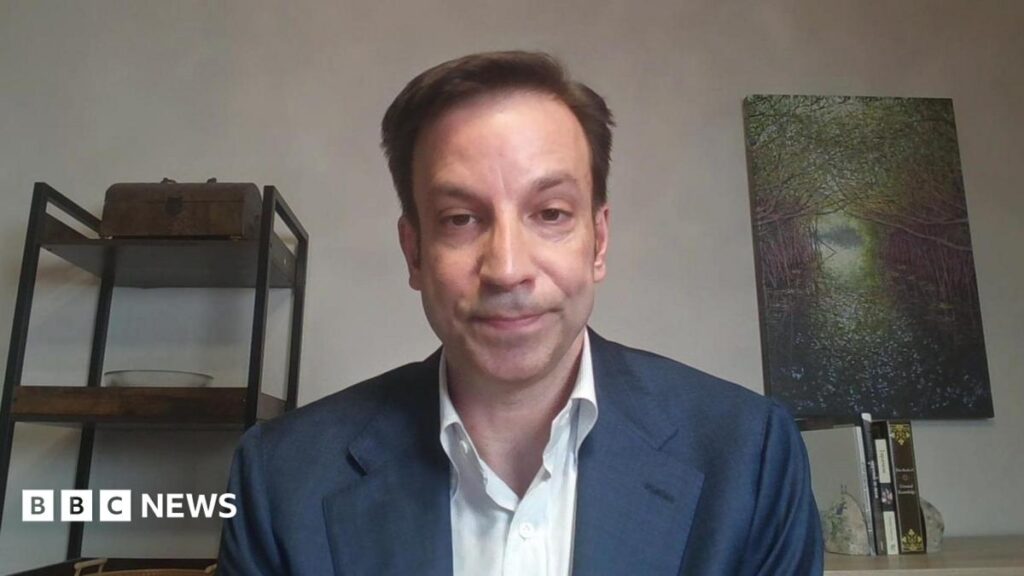
Erik Slavin, a veteran journalist who served as the managing editor of "Stars and Stripes," gave an interview to a civilian news outlet in early July 2026. When asked about the limits of editorial independence, he said, "In a hypothetical situation, censorship would be a red line for any newsroom, especially one attached to the military." The comment was meant to underline the importance of a free press, even within a defense context.
Two weeks later, the newspaper’s senior leadership announced Slavin’s termination, citing “a breach of the chain of command and violation of the Information Integrity Directive.” Slavin’s former colleagues and several media‑rights groups argued that the firing was a direct retaliation for his outspoken stance on censorship, a claim the Pentagon has denied, stating the decision was purely personnel‑related.
Why It Matters: Press Freedom, Military Transparency, and Democratic Accountability
The dismissal of a senior editor for a comment about censorship sends a chilling signal to journalists covering the armed forces. When a newsroom that is supposed to be independent is penalised for merely discussing the principle of free speech, it raises doubts about the ability of the media to hold the military accountable for misconduct, budget overruns, or policy failures. In the United States, the First Amendment does not automatically extend to the internal workings of the Department of Defense, making the legal landscape murky.
Beyond the United States, the incident resonates with a global pattern: governments and militaries tightening control over information under the banner of national security. The International Press Institute’s 2025 report noted a 12% rise in reported cases of journalists being removed from military beats worldwide. Slavin’s case could become a benchmark for future litigation, potentially prompting congressional hearings on the limits of the Pentagon’s authority over its own press organ.
Ripple Effects for Africa, the Diaspora, and Joint Operations
African troops are increasingly embedded in U.S.-led missions across the Sahel, the Horn of Africa, and peacekeeping operations in the Democratic Republic of Congo. The "Stars and Stripes" newspaper often publishes stories that directly affect African soldiers, from equipment shortages to rules of engagement. If the paper’s editorial freedom is compromised, African service members and their families may receive a narrower, possibly sanitized view of the missions they support.
The diaspora community, especially Nigerian and Ghanaian veterans serving in the U.S. military, relies on independent reporting to stay informed about policy changes that could impact their benefits and deployment cycles. Moreover, African journalists covering U.S. AFRICOM activities have cited "Stars and Stripes" as a key source for corroborating official statements. A muted press could limit their ability to cross‑check narratives, weakening investigative journalism that often uncovers human‑rights abuses or procurement scandals involving African contractors.
What Comes Next: Legal Battles, Policy Reforms, and the Role of Civil Society
Slavin’s legal team has filed a wrongful‑termination lawsuit that challenges the constitutionality of the Information Integrity Directive when applied to a newsroom with statutory independence. The case is expected to reach the U.S. Court of Appeals for the Federal Circuit by early 2027, and its outcome could set a precedent for how military‑funded media are protected—or not—under the First Amendment.
Civil‑society groups, including the Committee to Protect Journalists and Africa‑focused watchdogs such as the African Media Initiative, have launched a coordinated campaign demanding greater transparency around the Pentagon’s editorial policies. In Lagos, a public forum hosted by the Nigerian Institute of International Affairs discussed how U.S. media restrictions might affect bilateral training programs and joint exercises, underscoring the interconnected nature of press freedom and security cooperation.
Quick Answers
Why was Erik Slavin fired from the US military newspaper?
He was dismissed after saying in an interview that censorship would be a red line for any newsroom, which the Pentagon said violated its 2024 Information Integrity Directive.
How could Slavin’s firing affect African soldiers in US‑led missions?
If "Stars and Stripes" faces editorial limits, African troops may receive less comprehensive coverage of issues like equipment shortages and rules of engagement, impacting morale and transparency.
What legal avenue is being pursued after the dismissal?
Slavin’s lawyers have filed a wrongful‑termination suit challenging the constitutionality of applying the Pentagon’s censorship policy to a newsroom guaranteed editorial independence.
Source: www.bbc.co.uk



💬 Comments 0