US missionary Kevin Rideout released after Niger kidnapping – implications for security, aid and diaspora ties in 2026
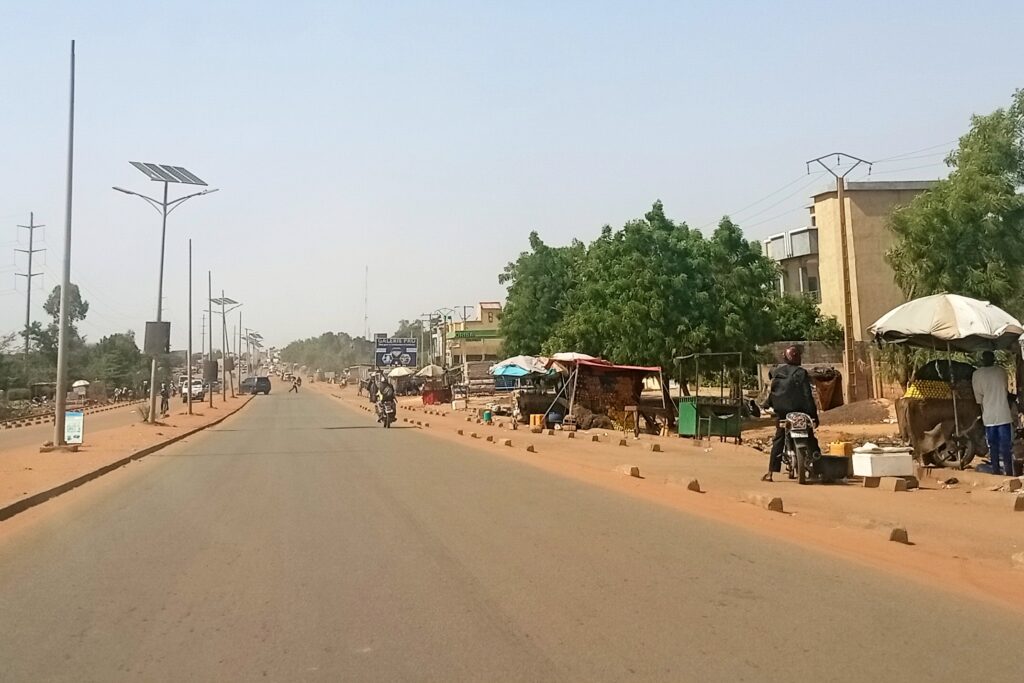
Background: a volatile Niger and the rise of hostage‑taking
Niger, a landlocked Sahelian nation, has seen a sharp uptick in kidnappings since 2022, driven by a mix of Islamist insurgents, bandit groups and criminal networks exploiting the country’s thin security apparatus. The United Nations estimates that more than 150 foreigners have been abducted in the region over the past four years, a figure that has kept Western NGOs and missionaries on high alert.
Kevin Rideout, a 42‑year‑old American missionary with SIM International, was seized in early March 2026 while traveling between the towns of Maradi and Tahoua. Rideout’s work focused on community health projects in remote villages, a sector that has become increasingly precarious as armed groups target aid workers for ransom or political leverage.
His capture sparked a rapid diplomatic response. The U.S. State Department activated its Crisis Response Team, while Niger’s transitional government, still grappling with the fallout from the 2023 coup, pledged to cooperate fully with American officials. The kidnapping underscored the broader trend of foreign nationals becoming bargaining chips in a region where state authority is contested.
The release: how Rideout was freed and immediate reactions
On August 13, 2026, SIM International announced that Rideout was in “good health in the care of U.S. officials” and would soon be reunited with his family. The organization did not disclose the exact mechanism of his release, citing security concerns, but sources close to the negotiations said a combination of diplomatic pressure and a discreet payment to the captors facilitated his freedom.
U.S. officials, speaking on condition of anonymity, confirmed that Rideout’s extraction involved a small team of special‑operations advisers working alongside Nigerien security forces. The operation was described as “low‑key” to avoid drawing attention to the delicate balance of power among rival armed groups in the area.
Rideout’s family, who had been in constant contact with the State Department, expressed relief on social media, while fellow missionaries called for a renewed focus on the safety of humanitarian workers. The episode reignited debate within the aid community about whether to suspend field operations in high‑risk zones or to double down on local partnerships that can offer better protection.
Regional security implications: a warning for the Sahel
Rideout’s ordeal and release serve as a micro‑cosm of the broader security challenges facing the Sahel. Analysts at the African Centre for the Study of Conflict note that the kidnapping reflects the growing sophistication of insurgent groups, which now blend ideological motives with criminal profiteering, making traditional counter‑terrorism tactics less effective.
The incident also highlights the fragility of Niger’s transitional government, which has struggled to assert control beyond the capital, Niamey. According to a recent report by the International Crisis Group, the government’s reliance on foreign military assistance – primarily from France and the United States – has created a dependency that could be exploited by rival factions seeking legitimacy.
For neighboring countries like Nigeria, Burkina Faso and Mali, Rideout’s release is a reminder that cross‑border coordination is essential. The Economic Community of West African States (ECOWAS) has been urged to step up joint patrols and intelligence sharing, a move that could help curb the flow of weapons and ransom money that fuels kidnappings.
Impact on US‑Niger relations and aid flows
The successful extraction of an American citizen is likely to bolster the U.S. administration’s narrative that it can protect its people abroad, a point that President Joe Biden’s team has emphasized in recent speeches about “America’s global responsibility.” However, the episode also puts pressure on Washington to deliver tangible security improvements for its partners.
Aid agencies have been wary of scaling back programs after the kidnapping, fearing that a vacuum could be filled by extremist groups. Yet, the U.S. Agency for International Development (USAID) announced a modest increase in funding for community‑based health initiatives in Niger, earmarking $12 million for projects that train local volunteers – a strategy designed to reduce the exposure of foreign staff.
Niger’s government, still navigating internal power struggles, welcomed the release as a diplomatic win. In a televised address, President Mohamed Bazoum thanked the United States, while also pledging to strengthen “national sovereignty” by improving the training of Nigerien forces. Critics argue that such statements may be more symbolic than substantive, given the chronic under‑resourcing of the military.
What this means for African diaspora, missionaries and the future of aid
For the African diaspora in the United States and Europe, Rideout’s story resonates on multiple levels. Many diaspora members are involved in faith‑based NGOs that operate in the Sahel, and the incident has sparked a wave of private fundraising to support families of hostages and to bolster security measures for field staff.
Missionary organisations are re‑evaluating risk‑assessment protocols. A recent survey by the International Mission Board found that 68 % of respondents plan to increase training on cultural intelligence and emergency evacuation, while 42 % are considering a shift toward “remote‑first” models that rely on local partners rather than expatriate staff.
The broader trend points toward a re‑imagining of aid delivery in Africa. Tech‑enabled platforms that connect diaspora donors directly with community projects are gaining traction, offering a way to bypass the logistical hurdles that make foreign workers vulnerable. If these models prove effective, they could reshape the aid landscape, making it less dependent on on‑the‑ground foreign personnel and more resilient to security shocks.
Looking ahead: possible scenarios and policy recommendations
In the short term, the priority for both Washington and Niamey will be to secure Rideout’s safe return home and to de‑escalate any retaliatory moves by the kidnapping group. Experts suggest that a transparent de‑briefing of the operation could help refine future hostage‑recovery protocols, which have historically been shrouded in secrecy.
Long‑term solutions require a multi‑pronged approach: bolstering Niger’s own security forces, expanding community‑led development projects that reduce the appeal of extremist recruitment, and enhancing regional cooperation through ECOWAS. A policy brief from the Brookings Institution recommends that the U.S. allocate an additional $150 million over the next three years for capacity‑building in Niger’s police and intelligence services.
For African civil society, the episode is a call to advocate for greater accountability and for the inclusion of local voices in security dialogues. As the continent grapples with a wave of kidnappings, the success of Rideout’s release may be measured not only by the individual’s freedom, but by how quickly the underlying drivers of insecurity are addressed.
Quick Answers
Who is Kevin Rideout and why was he kidnapped in Niger?
Kevin Rideout is a 42‑year‑old American missionary with SIM International who was seized in March 2026 while traveling between Maradi and Tahoua, amid a surge in kidnappings by armed groups in the Sahel.
How was Kevin Rideout released and what role did the US play?
Rideout was freed on August 13, 2026, after a discreet negotiation that reportedly involved a small team of US special‑operations advisers working with Nigerien forces, though exact details remain classified.
What does the release mean for aid work and security in the Sahel?
The incident underscores the heightened risk for foreign aid workers, prompting NGOs to boost security training, increase local partnerships, and consider remote‑first models, while also highlighting the need for stronger regional security cooperation.
Source: www.npr.org




💬 Comments 0