US Navy Admiral Brad Cooper Calls Mental Health a Priority on USS Lincoln Amid Rising Sailor Stress, 2026
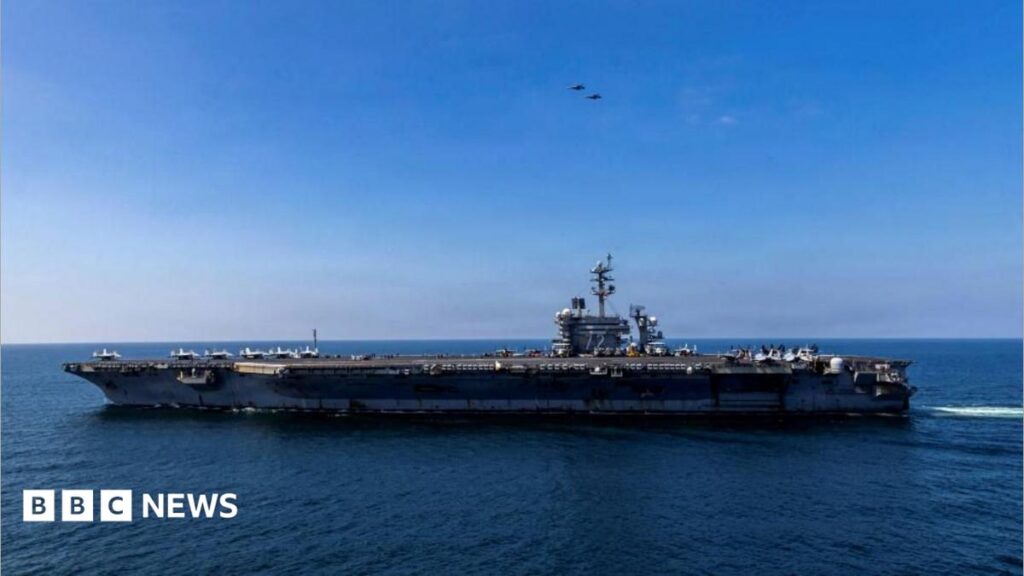
Background: USS Lincoln and the Navy’s mental‑health track record
The USS Lincoln (CVN‑72), a Nimitz‑class aircraft carrier, has been a centerpiece of U.S. power projection in the Indo‑Pacific and, more recently, the Atlantic and African littorals. Its crew of roughly 5,000 sailors spends months at sea, rotating through intensive flight operations, maintenance cycles and diplomatic port calls. Historically, the Navy has grappled with high rates of depression, substance abuse and suicide among its ranks, prompting periodic reviews and the launch of the “Fleet Mental Health Initiative” in 2019.
That initiative introduced embedded mental‑health professionals on larger vessels, expanded tele‑health capabilities, and mandated regular resilience training. While early reports showed modest declines in suicide attempts, many service members still described the culture of “tough it out” as a barrier to seeking help. By 2024, the Navy announced a $300 million boost to mental‑health services, but implementation varied across fleets.
The visit: Admiral Brad Cooper’s public pledge
During a three‑day inspection of the Lincoln in Norfolk, Virginia, Admiral Brad Cooper, commander of U.S. Fleet Forces Command, told the crew that mental health would be treated as a “mission‑critical priority.” He highlighted recent upgrades to the ship’s onboard counseling suite and the rollout of a new AI‑driven wellness app that monitors stress indicators through wearable sensors, according to the Navy’s public affairs office.
Cooper stressed that the long stretches at sea – often 70‑day deployments – create “uniquely challenging and tough” conditions that can erode morale. He pledged to increase the number of licensed psychologists on board from one to three per carrier and to expand peer‑support networks, echoing similar commitments made by other service branches earlier this year.
Why mental health matters for sailors and the broader force
Extended deployments are linked to higher rates of anxiety, insomnia and interpersonal conflict, factors that directly affect operational readiness. A 2023 Navy study found that 22 % of sailors on carriers reported clinically significant depressive symptoms, compared with 12 % in the general U.S. workforce. When morale dips, safety incidents rise; the same study correlated poor mental health with a 15 % increase in equipment‑related mishaps.
Beyond the numbers, mental‑health crises have strategic implications. A ship’s ability to launch and recover aircraft depends on split‑second decisions made by crews who must trust each other implicitly. If a sizable portion of that crew is struggling, the carrier’s combat effectiveness and deterrence value can be compromised, a point noted by defense analysts at the Center for Strategic and International Studies.
African connections: African sailors, joint exercises and diaspora impact
The USS Lincoln frequently participates in the African Maritime Security Initiative, a series of joint drills with navies from Nigeria, Kenya, South Africa and Ghana. Since 2021, dozens of African sailors have trained aboard the carrier as part of exchange programs, gaining exposure to carrier‑based operations. Admiral Cooper’s announcement therefore resonates beyond the U.S. fleet, offering a template for partner navies that have long struggled with limited mental‑health resources.
African militaries are beginning to confront similar challenges. In 2025, the Nigerian Navy launched a pilot counseling unit on its flagship NNS Aradu, citing rising stress among crews deployed to the Gulf of Guinea for anti‑piracy missions. Observers say the U.S. emphasis on mental health could accelerate regional adoption of comparable programs, especially as African navies expand their blue‑water capabilities and engage in longer deployments.
What’s next: Policy rollout, technology and potential ripple effects
The next six months will see the Navy integrate the new wellness app across all Nimitz‑class carriers, with pilot testing slated for the USS Gerald Ford later this year. The app, developed in partnership with a Silicon Valley startup, will use heart‑rate variability and sleep data to flag sailors who may need professional follow‑up. Critics caution that privacy safeguards must be robust, a concern echoed by civil‑rights groups monitoring military surveillance.
If the carrier‑wide rollout proves successful, the model could be exported to allied forces through the NATO Mental‑Health Working Group, where African member states such as Turkey and Morocco are active participants. For U.S. service members of African descent, the heightened focus may also improve cultural competency among mental‑health providers, a gap identified in a 2024 Defense Health Agency report.
Quick Answers
What mental‑health resources are being added to the USS Lincoln?
The carrier will increase its onboard psychologists from one to three, launch a peer‑support program and deploy an AI‑driven wellness app that monitors stress via wearable sensors.
How could the Navy’s mental‑health push affect African navies?
African partners training with U.S. carriers may adopt similar counseling units and technology, helping address stress among crews on anti‑piracy and joint‑exercise deployments.
Why is mental health considered a mission‑critical priority for sailors?
Poor mental health raises the risk of accidents, reduces combat readiness, and can undermine the tight coordination required for carrier flight operations.
Source: www.bbc.co.uk




💬 Comments 0