US Plans 2026 Sale of F-35 Jets to Saudi Arabia Sparks Human Rights, Geopolitical, and African Market Concerns
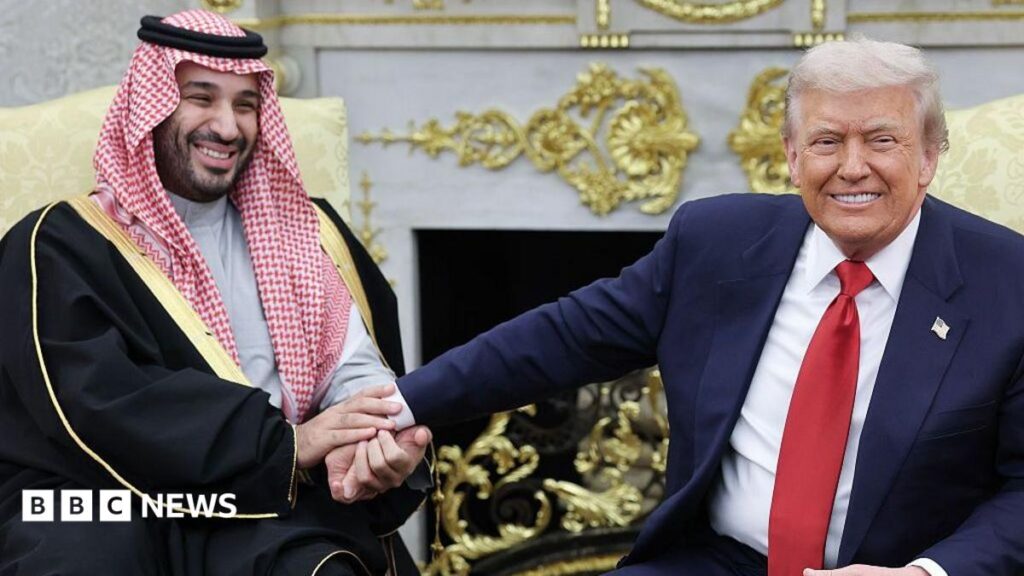
Background: The F-35 Deal in the Making
The Lockheed Martin F‑35 Lightning II is the United States’ flagship multirole stealth fighter, with a price tag of roughly $100 million per aircraft when all support packages are included. Saudi Arabia has been courting the jet for more than a decade, arguing that the aircraft is essential to counter Iran’s expanding drone and missile capabilities in the Persian Gulf.
In early 2024 the Pentagon announced a tentative package of up to 50 F‑35s for Riyadh, pending congressional approval. The proposal follows a series of smaller arms deals – including precision‑guided munitions and air‑defence systems – that have already deepened the Saudi‑U.S. security partnership. The new sale would be the largest single export of the fighter to a non‑NATO ally.
Why the Deal Is Controversial: Human Rights and Legal Hurdles
Human‑rights groups, such as Amnesty International and Human Rights Watch, have repeatedly warned that Saudi Arabia’s air force has been used in Yemen’s civil war, where air strikes have caused civilian casualties. Under the 2019 U.S. Arms Export Control Act, sales to countries with “a consistent pattern of violations of internationally recognised human rights” can be blocked, a clause that Congress has invoked before for Saudi arms deals.
Republican lawmakers argue the restriction undermines U.S. strategic interests, while several Democrats have filed a joint resolution demanding a thorough review of the F‑35 sale. The debate has resurfaced after the 2023 murder of journalist Jamal Khashoggi, which reignited scrutiny of Saudi‑U.S. ties and prompted a 2024 Senate vote that temporarily halted new major weapons deliveries.
Implications for Africa: Security, Investment, and Perception
Saudi Arabia has become a major investor in Africa, pouring over $30 billion into sectors such as agriculture, mining, and renewable energy across Ethiopia, Nigeria, and South Africa. A successful F‑35 deal could cement Riyadh’s status as a security guarantor for its African partners, encouraging more joint‑military exercises and intelligence sharing that may shift the balance of power in the Horn of Africa and the Sahel.
Conversely, the sale could exacerbate regional arms races. Nations like Egypt and the United Arab Emirates already operate advanced Western jets; a Saudi F‑35 fleet may prompt neighboring states to seek comparable capabilities, potentially inflating defence budgets that could otherwise be directed to health, education, or climate‑resilience projects.
For the African diaspora in the Gulf, the deal also raises personal stakes. Thousands of Nigerians, Somalis, and other Africans work in Saudi construction and service sectors, and any escalation of Saudi‑Iran tensions could affect their employment security, especially if the kingdom tightens travel or work‑permit policies in response to heightened threat perceptions.
The Bigger Picture: U.S. Arms Sales to Authoritarian Regimes
The F‑35 proposal fits a broader trend of the United States continuing to sell high‑technology weapons to governments with questionable democratic records. In the past five years, the Pentagon approved sales to the United Arab Emirates, Qatar, and Turkey, each justified by “regional stability” arguments but later criticized for fueling conflict.
Analysts at the Brookings Institution note that while such sales generate billions in revenue for the U.S. defence industrial base and preserve jobs – many of which are located in states with large African‑American workforces – they also risk eroding America’s moral standing on the world stage. The trade‑off between economic gain and the promotion of human rights is a recurring theme in U.S. foreign‑policy debates.
What Comes Next? Congressional Vote, Regional Reactions, and Market Signals
The final decision rests with the House Armed Services Committee, which is slated to hold a vote in November 2026. If approved, the deal could be signed by early 2027, with deliveries beginning in 2029 after the necessary training and infrastructure upgrades are completed at King Abdulaziz Air Base.
Regional actors are already positioning themselves. Iran’s Revolutionary Guard has warned of “escalatory steps” if Riyadh fields stealth fighters, while Israel’s defence ministry has quietly welcomed a stronger Saudi air force as a counterweight to Tehran. In Africa, the African Union’s Peace and Security Council is expected to issue a statement urging restraint and calling for transparency in all arms transactions that could affect the continent’s stability.
Investors are watching the situation closely. Lockheed Martin’s stock has shown a modest uptick since the deal was announced, but any congressional blockage could trigger a short‑term sell‑off. Meanwhile, Saudi sovereign‑wealth funds have earmarked part of their African portfolio for defence‑related infrastructure, hinting that the F‑35 sale may be part of a larger economic strategy linking Gulf capital with African growth.
Quick Answers
When is the US expected to approve the F‑35 sale to Saudi Arabia?
Congress is scheduled to vote on the deal in November 2026; approval would likely lead to a 2027 signing.
How could the F‑35 sale affect African security dynamics?
Saudi Arabia may expand military cooperation with African states, prompting neighboring countries to seek similar capabilities and potentially sparking an arms race in the region.
Why are human‑rights groups opposing the sale?
They argue Saudi air power has been used in Yemen, causing civilian casualties, and that the sale violates U.S. laws restricting arms exports to rights‑abusing regimes.
Source: www.bbc.co.uk




💬 Comments 0