US pledges $1bn aid to Colombia as Trump‑backed president sworn in 2026
Background: US‑Colombia partnership and the surprise inauguration
The United States has been Colombia’s biggest security and development partner for more than two decades, funneling billions into anti‑drug operations, infrastructure, and social programs. The relationship deepened after the 2000 Plan Colombia, a joint effort that dramatically reduced coca cultivation but also sparked criticism over human‑rights abuses. By 2025, U.S. assistance averaged about $800 million a year, split between military aid, counternarcotics training, and development grants.
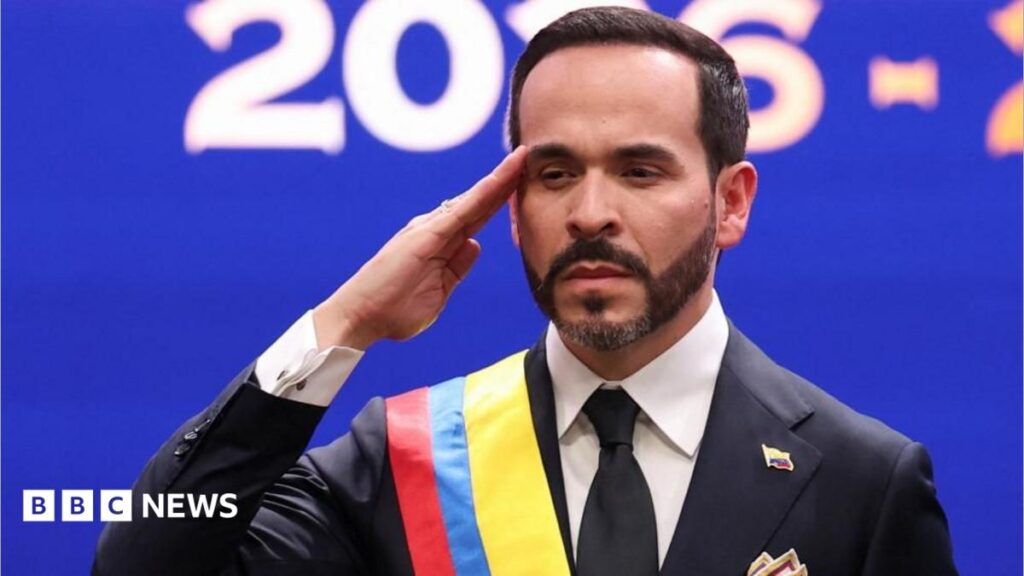
In early August 2026, Colombia witnessed an unexpected political shift when a candidate openly supported by former President Donald Trump was sworn in as head of state. The new leader, whose campaign promised tighter ties with Washington and a hard‑line stance on crime, secured a narrow parliamentary majority that gave him leeway to approve large foreign‑aid packages without extensive legislative debate.
The inauguration ceremony was attended by senior U.S. officials, including the newly appointed Assistant Secretary for Western Hemisphere Affairs. Their presence signalled a rapid re‑orientation of U.S. policy toward a more militarised, "all‑out" approach to what they term "narco‑terrorism"—a blend of drug trafficking and insurgent violence that has plagued Colombia’s rural heartland for decades.
The $1 billion pledge: what the package contains
During the ceremony, the United States announced a $1 billion assistance package, the largest single‑year commitment since the original Plan Colombia. Roughly half of the funds are earmarked for the Colombian National Police and military to acquire advanced surveillance drones, intelligence‑sharing software, and new maritime patrol vessels for the Pacific coast, where coca‑laden boats have surged in recent years.
The remaining $500 million will flow through civilian channels, targeting alternative‑development projects in the Andean regions, scholarships for displaced youth, and infrastructure upgrades for remote towns that have been cut off by guerrilla activity. U.S. officials say the civilian component is intended to undercut the recruitment pipelines that drug cartels exploit, a strategy that mirrors earlier U.S. efforts in Afghanistan and Iraq.
Critics in Washington and Bogotá alike warn that the rapid infusion of military hardware could exacerbate existing tensions with left‑wing guerrilla groups such as the ELN. Human‑rights NGOs have already called for a transparent accounting mechanism, fearing that the funds could be diverted to operations that lack civilian oversight.
Abelardo de la Espriella’s all‑out war rhetoric and its domestic impact
In his maiden speech to Congress, newly appointed Security Minister Abelardo de la Espriella declared an "all‑out war" on what he termed "narco‑terrorism," pledging to deploy the fresh U.S. resources to dismantle cartel networks and their armed wings. De la Espriella, a former army colonel, emphasized that the fight would not be limited to the jungle but would extend to urban hubs like Medellín and Cali, where money laundering and street‑level violence have surged.
The minister’s hard‑line language resonated with many Colombians tired of years of insecurity, but it also raised eyebrows among community leaders who fear that a militarised approach could lead to collateral damage. In past operations, heavy‑handed raids have sometimes resulted in civilian casualties, fueling resentment and, paradoxically, bolstering cartel recruitment.
Nevertheless, de la Espriella announced a parallel community‑engagement plan that would pair police units with local NGOs to provide rapid‑response social services. If successfully coordinated, this dual strategy could set a new template for Latin‑American counternarcotics policy that blends kinetic action with grassroots development.
Why African readers should care: trade, diaspora, and the global drug market
Colombia is the world’s second‑largest coffee exporter, and African coffee producers—especially Ethiopia, Uganda, and Kenya—compete directly in the same premium markets. A stabilised Colombian supply chain, bolstered by U.S. security aid, could keep coffee prices steady, protecting African farmers from sudden price spikes that often follow Colombian harvest disruptions caused by violence.
More subtly, the United States has been using Colombia as a launchpad for interdiction of cocaine shipments bound for Europe and the United States. A tighter Colombian crackdown could push trafficking routes farther north, potentially increasing the drug‑related risks for West African ports such as Lagos and Abidjan, which have already been flagged by UNODC for rising cocaine trans‑shipment activity.
The Colombian diaspora in the United States, estimated at over 1 million people, includes a sizable number of Afro‑Latinos and migrants from the Caribbean who maintain strong ties to African relatives. The influx of U.S. dollars into Colombia’s economy could spur remittance flows, benefitting families across the Atlantic. Conversely, heightened militarisation may also trigger a wave of internal displacement, prompting a new wave of migration that could affect U.S. immigration policy and, by extension, the African diaspora community that advocates for humane treatment of migrants.
What comes next: regional dynamics and the broader U.S. strategy
The $1 billion pledge arrives at a moment when Washington is recalibrating its Latin‑American policy after years of competing with China’s Belt‑and‑Road investments. By strengthening Colombia’s security apparatus, the United States hopes to showcase a viable alternative to Chinese infrastructure loans, a narrative that could reverberate across the continent, including in African nations that are courting Chinese capital for their own development projects.
Regional neighbours such as Venezuela and Ecuador will be watching closely. A more aggressive Colombian stance could either pressure Venezuelan drug cartels into negotiating or, alternatively, spark a spill‑over of armed confrontations along porous borders. The Organization of American States has already scheduled a special session to discuss coordinated counter‑narcotics measures, a meeting where African observers may be invited to share experiences from their own anti‑trafficking initiatives.
Finally, the success or failure of this aid package will likely influence future U.S. appropriations for Latin America. If the all‑out approach yields measurable reductions in coca cultivation and cartel violence within two years, Congress may approve even larger sums, potentially reshaping the global fight against illicit drugs and setting a precedent for how the United States engages with other drug‑producing regions, including West Africa’s own coca‑free but opium‑transit corridors.
Quick Answers
What does the $1 billion US aid package to Colombia include?
It splits roughly $500 million for military equipment and intelligence tools, and $500 million for civilian development projects like alternative‑crops, infrastructure, and youth scholarships.
How could the Colombian aid package affect African coffee farmers?
A more stable Colombian coffee sector helps keep global coffee prices steady, protecting African producers from price volatility that can follow Colombian supply disruptions.
Will the new Colombian security strategy increase drug trafficking through West Africa?
Analysts warn that tighter Colombian enforcement could shift cocaine routes northward, potentially raising trans‑shipment activity at West African ports such as Lagos and Abidjan.
Source: www.bbc.co.uk




💬 Comments 0