US Treasury’s Scott Bessent warns Iran of “greatest financial offensive ever” in 2026, threatens global partners
Background: a decade of escalating financial pressure on Tehran
Since the United States re‑imposed sanctions after the 2018 withdrawal from the JCPOA, Iran’s access to the global banking system has been systematically choked. The Treasury’s Office of Foreign Assets Control (OFAC) has added dozens of Iranian entities to the Specially Designated Nationals (SDN) list, forcing banks worldwide to flag or block any transaction that might touch Tehran’s oil revenues, shipping, or even humanitarian imports.
The strategy has evolved from blunt bans on oil exports to more sophisticated tools that target secondary markets, such as the use of SWIFT denial letters and the targeting of foreign firms that facilitate Iran’s trade. By 2024, analysts noted that Iran’s foreign exchange reserves had fallen below $10 billion, a fraction of the $30 billion it held a decade earlier, highlighting the cumulative effect of the financial campaign.
The latest offensive: Scott Bessent’s stark warning
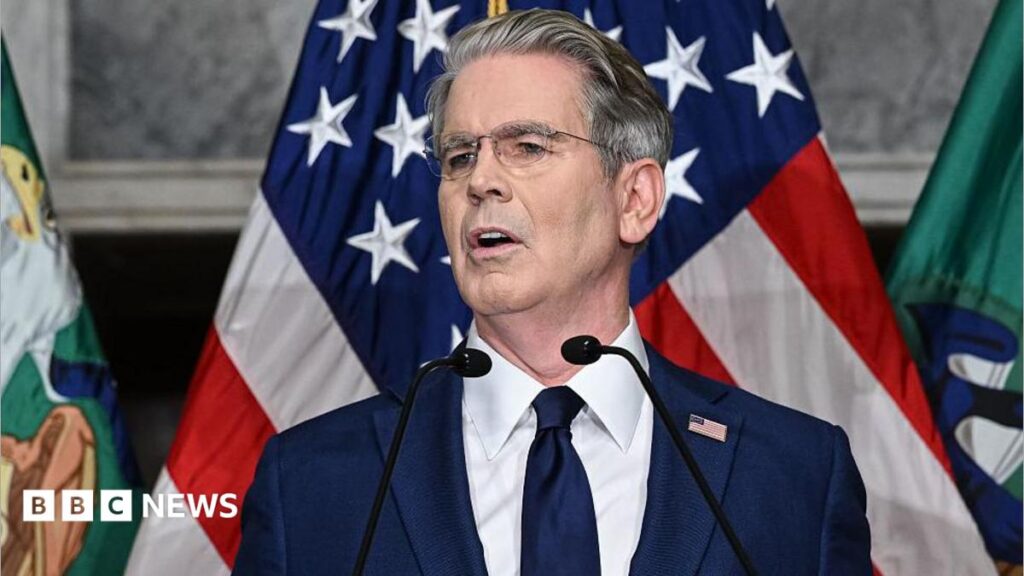
On August 23, 2026, Treasury Deputy Secretary Scott Bessent told reporters that Washington was preparing its "greatest financial offensive ever" against Iran. The declaration signals an intent to close every remaining loophole, including the rare exemptions that have allowed Iranian petro‑chemical firms to ship products through third‑party jurisdictions.
Bessent added that any country or corporation that continues to provide Iran with financial services will be treated as a secondary target for U.S. sanctions. The language mirrors the approach used against Russia after its 2022 invasion of Ukraine, where the United States threatened to cut off access to the dollar‑based payment system for banks that kept Russian clients on their books.
Why it matters: the global financial system on a collision course
The United States relies on the dollar’s dominance to enforce its foreign policy, but the Iranian case is testing the limits of that leverage. If the new offensive forces Iran to abandon the dollar entirely, Tehran may accelerate its pivot to alternative currencies such as the Chinese yuan, the Russian ruble, or even a basket of cryptocurrencies that are already being trialled in Tehran’s informal markets.
A forced shift could ripple through emerging‑market economies that depend on cheap dollar financing. Higher transaction costs and reduced liquidity would raise borrowing costs for countries that already face tight fiscal spaces, potentially igniting a wave of debt‑service challenges across the Global South.
African stakes: trade, fertilizer, and diaspora implications
Iran has quietly become a key supplier of fertilizers to several African nations, most notably Nigeria, Tanzania and Zambia, where domestic production lags behind demand. The sanctions crackdown threatens to disrupt these supply chains, forcing African farmers to turn to more expensive European or Russian alternatives, a move that could push up food prices at a time when many countries are still recovering from drought‑related shocks.
Beyond agriculture, Iranian oil has historically flowed through West African ports such as Lagos and Tema, often under opaque charter arrangements that skirted sanctions. If the United States extends its secondary‑sanctions net, shipping companies and port authorities in Ghana, Côte d’Ivoire and Mauritania could face restrictions on accessing U.S. financial markets, jeopardising a vital source of revenue for those economies.
What’s next: diplomatic maneuvers and alternative payment routes
Iran is expected to double‑down on its partnership with the Eurasian Economic Union and the Shanghai Cooperation Organisation, both of which have pledged to develop payment mechanisms that bypass SWIFT. In the short term, Tehran may increase its reliance on the Iranian‑run “Shetab” system and on informal hawala networks that move money across borders without triggering U.S. detection.
For African governments, the immediate challenge will be balancing the need to keep critical imports flowing with the risk of being labeled a U.S. sanction evader. Some ministries are reportedly drafting contingency plans that include stockpiling fertilizer and negotiating credit lines with non‑U.S. banks in the Gulf. The outcome will hinge on how quickly Washington can enforce its secondary‑sanctions regime and whether Tehran can find enough willing partners to keep its economy afloat.
Quick Answers
What does the US mean by "greatest financial offensive ever" against Iran?
It signals a comprehensive crackdown that will target every remaining loophole, including secondary sanctions on any country or company that provides Iran with financial services.
How could tighter US sanctions on Iran affect African fertilizer supplies?
Iran is a major fertilizer exporter to Africa; sanctions could cut those shipments, forcing African farmers to buy costlier alternatives and potentially raising food prices.
Will the new US sanctions force Iran to abandon the dollar?
Likely, as Tehran will accelerate use of alternative currencies and crypto‑based payment systems to avoid being cut off from the dollar‑centric global banking network.
Source: www.bbc.co.uk




💬 Comments 0