US urges Venezuela to free remaining political prisoners as 2024 elections loom, impact on African oil imports
Background: US pressure and Venezuela’s political detainees
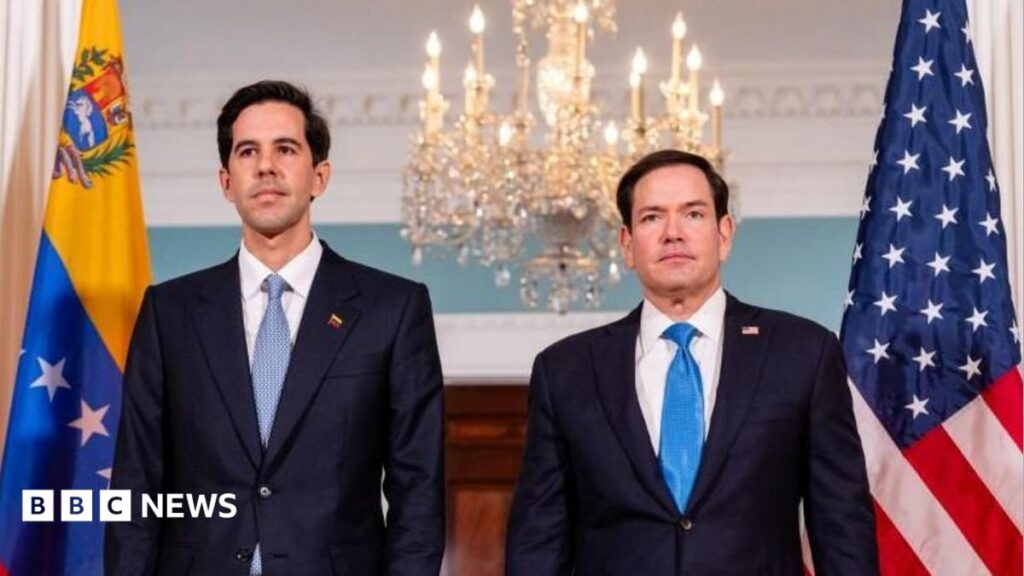
On November 2, 2026, U.S. Secretary of State Antony Blinken publicly called on President Nicolás Maduro’s government to release the handful of political prisoners still held after a wave of arrests following the 2023 protests. The plea came amid Washington’s broader push for “free, fair and credible elections” in Venezuela, a promise that has been echoed in recent diplomatic statements from the European Union and the Organization of American States. While the United States has long imposed sanctions on Venezuela’s oil sector and key officials, the latest demand signals a shift from punitive measures toward a more overt diplomatic overture aimed at restoring democratic norms before the country’s scheduled 2024 presidential vote.
The remaining detainees include opposition leader María Corina Machado’s close aide, journalist Luis Carlos Díaz, and three members of the student movement that organized the 2023 demonstrations against price hikes. Human rights groups, such as Amnesty International, have documented that many of those still behind bars face charges that are widely regarded as politically motivated. The U.S. request is therefore not just a humanitarian appeal; it is a strategic move to pressure Maduro’s regime into conceding some political space ahead of an election that international observers fear could be marred by fraud.
Why it matters: regional stability, sanctions and oil markets
Venezuela remains one of the world’s largest exporters of crude oil, and its output, though severely curtailed by sanctions, still influences global price dynamics. African nations—particularly Nigeria, Angola and South Africa—import a modest but strategic share of Venezuelan light sweet crude to diversify away from West African producers and to hedge against regional supply shocks. A political thaw that leads to the release of prisoners could pave the way for a partial easing of U.S. sanctions, reopening the door for increased Venezuelan shipments to African refineries. Such a development would not only affect trade balances but could also shift the bargaining power of African oil exporters in negotiations with multinational oil majors.
Beyond oil, the United States sees Venezuela’s political trajectory as a litmus test for its broader strategy in Latin America. A credible election could allow Washington to claim a diplomatic win and potentially re‑engage with Caracas on issues like migration, narcotics trafficking, and climate cooperation. Conversely, a continued crackdown could deepen the humanitarian crisis, prompting more Venezuelans to seek asylum in countries that already host sizable diaspora communities, including several African states.
The African angle: diaspora, diplomatic calculations and trade
Venezuelan migrants have been settling in African cities such as Lagos, Johannesburg and Nairobi in increasing numbers since 2020, attracted by burgeoning tech sectors and relatively open immigration policies. Many work in informal economies, sending remittances back to family members still in Caracas. The release of political prisoners could improve the perception of Venezuela’s government abroad, encouraging host governments to formalise visa arrangements and integrate Venezuelan professionals into formal labour markets. South Africa’s Department of Home Affairs, for example, has hinted that a “democratic opening” in Venezuela would make it easier to process work permits for skilled migrants, a move that could address gaps in its own engineering and health sectors.
At the diplomatic level, the African Union (AU) and the Southern African Development Community (SADC) have historically championed non‑interference, yet they have also voiced support for human rights. In a joint statement released in August 2026, the AU called for “respect for fundamental freedoms” in Venezuela, signalling that African regional bodies are watching Washington’s pressure with interest. If the U.S. succeeds in securing releases, African states may feel more comfortable aligning with Washington on other geopolitical issues, such as the ongoing competition for influence between China and the West in the continent’s infrastructure projects.
What’s next: elections, sanctions and African responses
The road ahead is uncertain. Analysts at the Council on Foreign Relations note that Maduro’s government is unlikely to release all detainees without securing concessions, such as a limited rollback of U.S. sanctions on the state oil company PDVSA. A partial easing could be timed to coincide with the March 2027 presidential election, allowing the regime to claim a “new chapter” while still controlling the electoral process. International observers from the European Union have already signalled they will monitor the vote, but their access will depend on whether Caracas grants them the legal guarantees demanded by Washington and human‑rights NGOs.
For African stakeholders, the key question is how quickly any policy shift translates into tangible trade benefits. Nigerian oil refiner Dangote Group’s procurement chief told Bloomberg in September that “if sanctions are lifted, we will re‑evaluate our supply mix within six months.” Meanwhile, diaspora organisations in South Africa have launched a petition urging the South African government to lobby the United Nations for a resolution that would recognise any political prisoners released as a step toward democratic normalization. Their advocacy underscores how a diplomatic win in Caracas could ripple through African economies, migration patterns and civil‑society activism.
Quick Answers
Who are the remaining political prisoners in Venezuela that the US wants released?
The detainees include opposition aide María Corina Machado’s confidante, journalist Luis Carlos Díaz, and three student activists arrested after the 2023 protests.
How could US pressure on Venezuela affect the 2024 presidential election?
Washington’s demand for releases is tied to calls for a free and fair vote; a concession could lead to partial sanction relief, which Maduro’s government might use to claim democratic progress before the election.
What impact might Venezuela’s political situation have on African oil imports?
If sanctions ease after prisoners are freed, African refiners—especially in Nigeria, Angola and South Africa—could increase purchases of Venezuelan crude, diversifying their supply and potentially lowering import costs.
Source: www.bbc.co.uk




💬 Comments 0