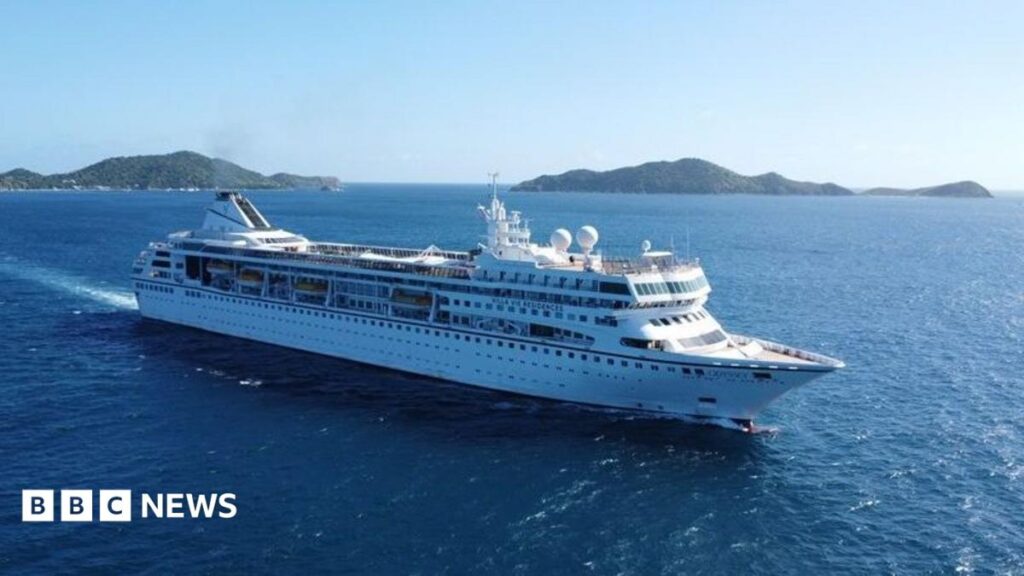
Villa Vie Odyssey cruise halts in Cambodia as fuel prices soar, passengers stranded
Background: The rise of ultra‑luxury cruising in Asia
Over the past decade, ultra‑luxury cruise lines have increasingly targeted the Asian market, offering itineraries that weave through Thailand, Vietnam, Cambodia and beyond. The Villa Vie Odyssey, a 300‑meter vessel owned by the boutique operator Villa Vie, entered the region in early 2026 with a promise of five‑star amenities and curated shore experiences aimed at affluent travelers from Europe, North America and a growing pool of African high‑net‑worth tourists.
Cambodia, eager to diversify its tourism base beyond Angkor Wat, has welcomed several high‑profile vessels in recent years, offering special docking privileges at Sihanoukville’s new cruise terminal. The government’s “Luxury Tourism Boost” policy, launched in 2024, provided tax breaks and streamlined customs for ships that commit to a minimum stay of three nights, hoping to generate higher spend per visitor.
However, the global surge in marine fuel prices has begun to erode the profitability of these long‑haul voyages. Since the start of 2026, the price of bunker fuel has risen by roughly 45 % according to data from the International Energy Agency, driven by tighter supplies from the Middle East and ongoing geopolitical tensions.
The incident: Villa Vie Odyssey suspends its voyage
On 27 October 2026, the Villa Vie Odyssey announced that it would suspend its scheduled cruise after departing from Ho Chi Minh City and docking in Sihanoukville for a brief port call. The ship’s management cited “unforeseeable spikes in fuel costs” as the primary reason for the decision, saying that continuing the itinerary would breach the operator’s cost‑control thresholds.
Passengers, numbering about 1,200 according to the cruise line’s official statement, were informed that the vessel would remain in port while the company negotiated “temporary living arrangements” on land. Villa Vie confirmed that it had secured hotel rooms in Sihanoukville and Phnom Penh, and that a dedicated liaison team would assist guests with visa extensions, medical needs and onward travel plans.
Travel agencies that sold tickets for the voyage, including several South African firms that specialize in African‑centric luxury travel, reported that refunds would be processed in phases. One agent, citing a source within the company, said that 40 % of the booking value would be returned immediately, while the remainder would be held pending the outcome of insurance claims.
Why it matters for tourism and the Cambodian economy
Cambodia’s tourism sector contributed roughly 12 % of GDP in 2025, and luxury cruise passengers typically spend three times more than average hotel guests, according to the Ministry of Tourism. The abrupt suspension of the Villa Vie Odyssey therefore represents a direct loss of high‑value foreign exchange, estimated at $8 million in projected on‑shore spending that will now not materialise.
Local businesses that had prepared for the cruise’s arrival – from upscale restaurants to souvenir artisans – now face sudden inventory surpluses and reduced cash flow. A restaurant owner in Sihanoukville told reporters that they had ordered premium seafood and imported wines specifically for the cruise’s gala dinner, purchases that may now go unsold.
Beyond the immediate financial hit, the incident raises concerns about Cambodia’s reputation as a reliable cruise destination. If other operators perceive the risk of fuel‑price volatility as a barrier, they may reroute future itineraries to ports with more stable energy costs, such as Singapore or Hong Kong, leaving Cambodian tourism authorities scrambling to replace lost revenue.
Wider industry ripple effects: Fuel, climate policy and African travelers
The Villa Vie Odyssey’s decision underscores a broader trend across the cruise industry: operators are forced to confront soaring bunker fuel costs while simultaneously facing pressure to decarbonise. The International Maritime Organization’s 2025 amendment, which mandates a 40 % reduction in CO₂ emissions per passenger‑kilometre by 2030, is prompting many lines to explore LNG or bio‑fuel alternatives—options that remain more expensive than traditional heavy fuel oil in the short term.
For African travelers, especially those from South Africa, Kenya and Nigeria who have increasingly embraced Asian cruise routes, the episode could translate into higher ticket prices or fewer sailings. A market analyst at African Travel Insights warned that “the cost shock we’re seeing in Southeast Asia will likely be passed on to consumers, making luxury cruising less accessible for the diaspora and high‑net‑worth Africans who are a key growth segment.”
In response, some African tour operators are diversifying their product mix, offering hybrid land‑sea packages that combine short cruise legs with overland safaris in East Africa. This shift not only mitigates exposure to fuel volatility but also aligns with a growing demand for sustainable travel experiences among African and diaspora tourists.
What’s next: Negotiations, insurance claims and the future of Asian luxury cruises
Villa Vie has pledged to work with its insurers to secure compensation for the stranded passengers, a process that could take several weeks given the complexity of maritime loss assessments. The company also indicated that it is exploring alternative fuel contracts that lock in prices for the remainder of the 2026 season, a strategy that may allow it to resume operations later in the year.
Cambodian authorities, meanwhile, are reviewing the incident to determine whether additional safeguards—such as mandatory fuel‑price hedging for vessels docking at the new terminal—should be introduced. A spokesperson for the Ministry of Tourism said that the government remains committed to attracting luxury cruises but will “ensure that future agreements protect both the state’s revenue expectations and the travelers’ experience.”
For the broader cruise market, the Villa Vie Odyssey episode may accelerate a pivot toward shorter, regional itineraries that reduce fuel consumption, as well as greater investment in on‑board energy efficiency technologies. Observers note that if fuel price volatility persists, we could see a reshuffling of the global cruise map, with African ports like Mombasa and Durban emerging as alternative hubs for vessels seeking more predictable energy costs.
Quick Answers
Why were passengers on the Villa Vie Odyssey stranded in Cambodia?
The cruise suspended its voyage because a sudden 45 % rise in bunker fuel prices made continuing the itinerary financially untenable.
How many passengers were affected and what temporary arrangements were made?
About 1,200 guests were affected; the cruise line secured hotel rooms in Sihanoukville and Phnom Penh and assigned a liaison team to assist with visas, medical needs and onward travel.
What could this incident mean for future luxury cruises in Asia?
It may lead operators to lock in fuel prices, shorten itineraries, or shift to ports with more stable energy costs, while also prompting regulators to consider new safeguards.
Source: www.bbc.co.uk




💬 Comments 0