Vitaliy Klitschko warns Kyiv in ‘dramatic’ crisis as Russian strikes hit power grid – African food security impact 2026
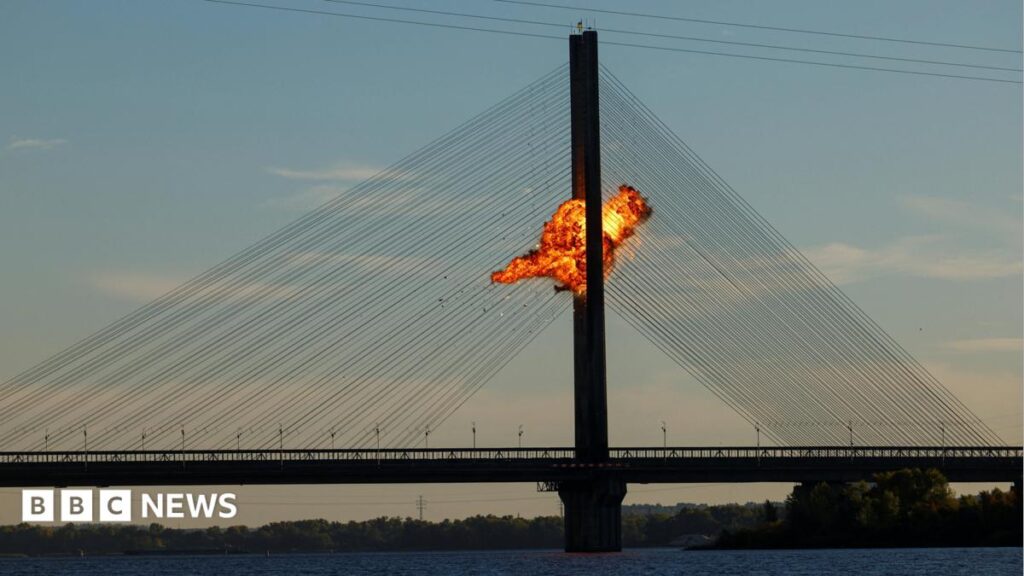
Background: Kyiv under fire
Since February 2022, Ukraine’s capital has endured a relentless barrage of Russian missile and drone attacks aimed at undermining its defensive capacity and morale. The city’s historic districts, transport arteries and energy facilities have been repeatedly targeted, forcing residents to adapt to blackout periods, disrupted public transport and a constant state of alert. Over the years, Kyiv’s municipal authorities have built a patchwork of emergency shelters, mobile power generators and underground shelters, but the cumulative strain on the urban infrastructure has been mounting.
In the past year, the intensity of the strikes has risen sharply, coinciding with Russia’s broader strategy to cripple Ukraine’s ability to export grain and other commodities. Analysts note that the timing aligns with Moscow’s attempts to pressure European allies and to leverage Ukraine’s agricultural output as a bargaining chip in negotiations over sanctions and reconstruction aid.
The latest wave of strikes
On October 2, 2026, a coordinated salvo of cruise missiles and Shahed‑type loitering munitions struck several key sites in Kyiv, including the main sub‑station on the Dnipro River, a water treatment plant in the Podil district, and a major telecommunications hub in Shevchenkivskyi. Mayor Vitaliy Klitschko described the situation as "very dramatic," warning that the city’s power grid could face a prolonged outage if repairs are delayed.
According to the Kyiv City State Administration, the attacks damaged approximately 40 percent of the city’s high‑voltage transformers, leaving more than 600,000 households without electricity. Emergency crews managed to restore limited service within a few hours, but the mayor cautioned that repeated hits could overwhelm repair crews and push the city into a chronic blackout scenario.
Why the escalation matters beyond Ukraine
The renewed focus on Kyiv’s critical infrastructure signals a shift in Russian tactics from front‑line battlefields to urban centers that serve as logistical and symbolic hubs. By targeting power and water supplies, Moscow hopes to erode civilian resilience and force the Ukrainian government into a costly defensive posture, diverting resources from the front lines.
Internationally, the strikes raise the stakes for NATO and the European Union, which have pledged to defend Ukraine’s sovereignty while also safeguarding their own energy security. The attacks threaten to destabilise regional power markets, prompting EU energy ministers to discuss contingency plans for additional gas imports from non‑Russian sources, a move that could reshape Europe’s long‑term energy mix.
African food security and the ripple effect
Ukraine accounts for roughly 12 percent of global wheat exports and a similar share of corn, barley and sunflower oil. When Russian forces disrupt Ukrainian grain shipments, the price shock reverberates most sharply in Africa, where many countries rely on cheap Ukrainian wheat to feed growing urban populations. The United Nations Food and Agriculture Organization warned in June 2026 that the conflict could push an additional 15 million Africans into food insecurity if export volumes fall by more than 30 percent.
The latest strikes on Kyiv’s power grid threaten the operation of grain silos and processing plants that depend on steady electricity. Even a short‑term reduction in export capacity can tighten global markets, driving up prices on the continent. Countries such as Nigeria, Kenya and Egypt have already reported higher wheat flour costs, prompting governments to tap emergency food reserves and seek alternative suppliers from the United States and Brazil.
Responses from Kyiv, Europe and African nations
In response to the attacks, Kyiv’s mayor announced a rapid‑repair task force, drawing engineers from the Ukrainian Ministry of Energy and volunteers from the private sector. International partners, including Germany and Canada, have pledged to send spare transformers and technical teams to help restore the grid within weeks.
African diplomatic missions in Kyiv, though small, have issued statements urging the international community to protect Ukraine’s agricultural export routes. The African Union’s Committee on Food Security, chaired by Senegal’s Minister of Agriculture, called for a UN‑mediated corridor that would guarantee safe grain shipments, emphasizing that any prolonged disruption could trigger a humanitarian crisis across the Sahel and the Horn of Africa.
What lies ahead for the city and the continent
Looking forward, analysts expect Moscow to continue using infrastructure attacks as a pressure tool, especially as winter approaches and energy demand spikes. Kyiv’s ability to keep the lights on will hinge on the speed of repairs, the availability of backup generators, and the resilience of its civilian population. The city’s experience may become a case study for other nations facing hybrid warfare that blurs the line between military and civilian targets.
For Africa, the conflict underscores the strategic importance of diversifying food import sources and investing in regional grain production. Several African governments have already accelerated plans for domestic wheat and millet projects, while the private sector is exploring investments in solar‑powered grain storage to reduce reliance on external electricity. The unfolding situation in Kyiv therefore serves as both a warning and an impetus for the continent to bolster its food sovereignty in an increasingly volatile global landscape.
Quick Answers
What critical infrastructure did the recent Russian strikes damage in Kyiv?
The attacks hit a major power sub‑station, a water‑treatment plant in Podil and a telecommunications hub, disabling roughly 40% of the city’s high‑voltage transformers.
How could the strikes on Kyiv affect food prices in Africa?
Disruptions to Ukraine’s grain processing and export capacity can lower shipment volumes, pushing global wheat and corn prices up and increasing food‑security risks for African nations that rely on Ukrainian imports.
What steps are being taken to restore Kyiv’s power grid?
Mayor Vitaliy Klitschko formed a rapid‑repair task force and received pledges of spare transformers and technical assistance from Germany, Canada and other allies.
Source: www.bbc.co.uk




💬 Comments 0