Wang Cong vs Natalia Silva UFC 332 Flyweight Title Fight: What It Means for Global MMA and Africa’s Growing Market in 2026
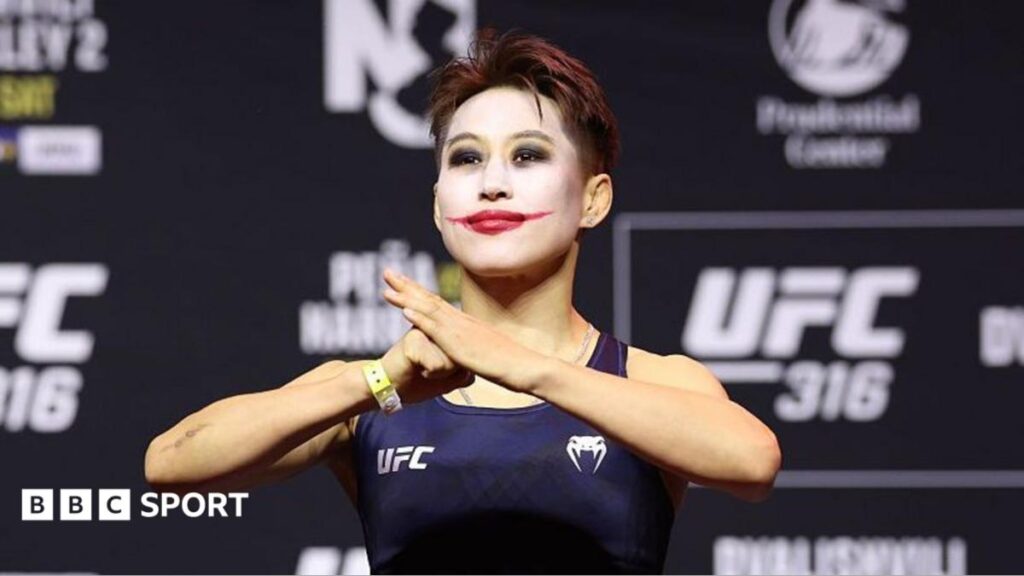
Background: Two Fighters, One Title
UFC 332, slated for Saturday night in Las Vegas, will crown a new flyweight champion after the belt was vacated by the retirement of the division’s long‑time king. China’s rising star Wang Cong, a former straw‑weight champion in the Asian circuit, has earned a shot at the vacant title despite a modest 12‑2 record that some critics say lacks depth. Her opponent, Brazilian veteran Natalia Silva, brings 19 wins and a reputation for relentless pressure that has earned her a loyal fan base across South America.
Both athletes have been on divergent paths to this moment. Cong’s meteoric rise began in the Chinese MMA promotion Kunlun Fight, where she captured three consecutive titles before signing with the UFC in early 2024. Silva, meanwhile, spent years grinding on the regional scene in Brazil, amassing knockout victories that finally secured her a UFC contract in 2022. Their clash is being billed as a classic test of speed versus power, with analysts debating whether Cong’s technical striking can neutralise Silva’s aggressive grappling.
Why the Fight Matters Beyond the Octagon
Beyond the personal stakes for the fighters, the bout signals a strategic shift in the UFC’s global expansion plan. The promotion has been targeting emerging markets in Asia and Latin America, but the flyweight division has historically struggled to capture mainstream attention. A high‑profile showdown between a Chinese contender and a Brazilian star offers a rare opportunity to revive interest, especially as the UFC looks to diversify its fan base ahead of the 2028 Olympic Games in Los Angeles, where MMA is expected to receive greater visibility.
Financially, the fight could unlock new sponsorship streams. Brands that have long avoided combat sports in China, such as luxury automotive firms and mobile payment platforms, are watching Cong’s marketability closely. Likewise, Silva’s partnership with Brazilian beverage giants could translate into cross‑regional advertising deals, creating a revenue model that benefits both fighters and the UFC’s corporate partners.
The African Angle: MMA’s Growing Footprint on the Continent
While neither combatant hails from Africa, the implications of this title fight ripple across the continent’s budding MMA ecosystem. In 2025, the UFC announced its first African‑focused talent scouting program, targeting gyms in Nigeria, Kenya, South Africa and Egypt. The organization’s goal is to sign at least ten African fighters by 2028, a move that could transform the sport’s economics on the ground. A successful flyweight championship bout, especially one that garners strong pay‑per‑view numbers, validates the UFC’s investment in lighter‑weight divisions where many African athletes naturally fit.
African promoters are already leveraging the hype. Nairobi’s Pride Combat and Lagos’s Lagos Fight Club have scheduled viewing parties and local qualifiers that tie directly into UFC 332’s narrative. For diaspora fans in the UK and the US, the fight serves as a rallying point to showcase African talent on the same stage, prompting discussions about future match‑ups that could see an African challenger face the new champion within the next two years.
Reactions: Fans, Analysts, and the Diaspora
Social media buzz across Twitter and TikTok shows a split in sentiment. Chinese fans are rallying behind Cong, using hashtags like #CongForTheCrown, while Brazilian supporters flood the platform with #SilvaStorm. Meanwhile, African MMA forums are buzzing with speculation about who might be the next continent‑born contender to challenge the winner. Influencers such as Nigerian fighter‑turned‑coach Chinedu Okonkwo have posted videos analysing Cong’s footwork, suggesting that an African striker could adopt similar tactics to bridge the technical gap.
Commentators from ESPN and MMA Fighting have highlighted the broader narrative: a fight that could set a precedent for how non‑Western fighters shape the sport’s future. According to a recent interview with UFC President Dana White, the organization is “looking at every market that can bring fresh talent and new audiences,” a statement that resonates with African promoters eager to prove their athletes can compete at the highest level.
What’s Next: Pathways for African Fighters and the Flyweight Division
If Cong or Silva secures the belt, the UFC will likely schedule a unification bout with the current interim champion, a move that could open the door for an African challenger to step into a title picture within 12‑18 months. The UFC’s recent partnership with the African Boxing Union to co‑host a “Fight Night Africa” series is expected to debut in early 2027, featuring a flyweight tournament that feeds directly into the UFC roster.
For aspiring African athletes, the immediate takeaway is clear: performance in regional circuits now matters more than ever. Scouts are reportedly attending events in Johannesburg’s Gym 9 and Accra’s Fight Lab, looking for fighters with a blend of speed, discipline and market appeal. The outcome of UFC 332 will therefore serve as a benchmark for how quickly the promotion can integrate African talent into its championship narrative, and whether the flyweight division can finally achieve mainstream relevance.
Quick Answers
When is the Wang Cong vs Natalia Silva flyweight title fight?
The fight is scheduled for Saturday, October 3, 2026, at UFC 332 in Las Vegas.
How could this UFC fight affect African MMA fighters?
A successful title bout could accelerate the UFC’s African scouting program, leading to more contracts for African fighters and a potential African challenger within the next two years.
What are the commercial implications of a Chinese‑Brazilian title fight?
The matchup opens new sponsorship opportunities in China and Brazil and helps the UFC diversify its revenue streams by attracting fans from two large, growing markets.
Source: www.bbc.co.uk




💬 Comments 0