Why Flock AI Cameras Are Being Vandalised in US Cities and What It Means for Global Surveillance in 2026
Background: The rise of AI‑powered street cameras
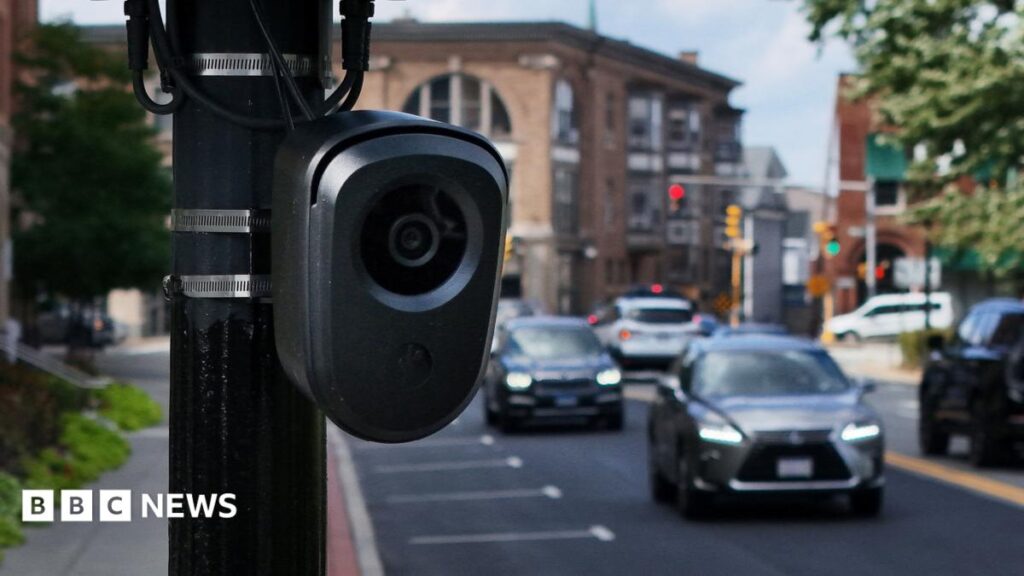
Flock, a US‑based security startup, launched its AI‑driven camera network in 2022, promising "real‑time threat detection" that could alert police to gunshots, fights or suspicious loitering within seconds. By early 2026 the company claimed more than 1.5 million devices were installed across 30 states, covering everything from downtown corridors to suburban school zones.
The technology relies on edge‑computing chips that analyse video locally, flagging only events that match pre‑trained models before sending a short alert to a cloud dashboard. Proponents argue the system reduces response times and lowers the need for human operators, while critics warn that the same algorithms can misclassify ordinary behaviour and amplify existing policing biases.
What happened: Vandalism spreads across the network
In the past two months, activists in at least eight US cities have reported deliberate damage to Flock cameras – broken lenses, spray‑painted lenses, and even complete removal of the units. The incidents were documented on social media with hashtags such as #CameraSabotage and #NoMoreSurveillance, and several local news outlets have published footage of the vandalism in real time.
Police departments that partnered with Flock have responded by filing damage reports and, in some cases, increasing patrols around the devices. However, the company’s own spokesperson, Maya Patel, said the vandalism "does not diminish the safety benefits" of the network and that repairs are already underway in the affected neighborhoods.
Why it matters: Privacy, trust and the future of AI policing
The backlash against Flock mirrors a growing global unease with AI‑enabled surveillance. In the United States, the debate is framed around constitutional rights to privacy and the potential for algorithmic bias that could disproportionately target low‑income or minority communities. A report from the Electronic Frontier Foundation this week warned that the lack of transparent oversight makes it difficult to audit false‑positive alerts that could lead to unnecessary police interventions.
Beyond the US, the incident signals a warning for cities that are rapidly adopting similar AI camera systems. Many municipalities in Europe, Asia and Africa have signed contracts with vendors promising "smart city" upgrades. If public trust erodes in the US, policymakers elsewhere may face heightened scrutiny, stricter procurement rules, or even outright bans on certain forms of automated monitoring.
African angle: How the controversy could shape surveillance on the continent
Several African capitals are already piloting AI‑driven camera projects. Nairobi’s "Safe Streets" initiative, for example, installed 300 AI cameras in 2024 with the aim of reducing car‑jackings. Lagos announced a partnership with a local startup, VigilAI, to monitor traffic congestion and public gatherings. In both cases, civil‑society groups have raised concerns about data ownership and the potential for state‑run facial‑recognition databases.
The US sabotage story offers a concrete case study for African regulators. If activists in Lagos or Nairobi see that vandalism can be a form of protest, they may pre‑emptively incorporate community‑led oversight boards, mandatory impact assessments, or opt‑out mechanisms for residents. Moreover, the diaspora community in the US, many of whom maintain business ties with African tech firms, is watching the Flock debate closely, fearing that negative perception of AI surveillance could affect funding for home‑grown projects.
What’s next: Policy, technology and public response
City councils in the US where vandalism has been reported are now holding public hearings on the future of AI cameras. In Portland, Oregon, a proposed ordinance would require any AI‑based surveillance system to undergo an independent audit every 12 months and to post clear signage indicating that the footage is being analysed by algorithms.
On the technology front, Flock has announced a software update that will add a "privacy mode" – temporarily disabling facial‑recognition features in residential zones during nighttime hours. Whether such concessions will appease activists remains uncertain, but the episode underscores that the rollout of AI surveillance will increasingly be negotiated in the court of public opinion rather than dictated solely by corporate roadmaps.
Quick Answers
Why are Flock AI cameras being vandalised in US cities?
Activists say the cameras expand surveillance and risk algorithmic bias, so they are breaking or covering them as a protest against unchecked AI policing.
How could the US camera sabotage affect African cities?
The controversy highlights privacy risks, prompting African governments and NGOs to demand stronger oversight, data‑protection laws, and community input before deploying similar AI systems.
What steps are US cities taking after the vandalism?
Several cities are launching public hearings, proposing audit requirements, and urging vendors like Flock to add privacy‑focused features to address community concerns.
Source: www.bbc.co.uk




💬 Comments 0