Why Nepal’s June 2026 Floods Knocked Out 10% of Hydropower Capacity and What It Means for Africa’s Renewable Future
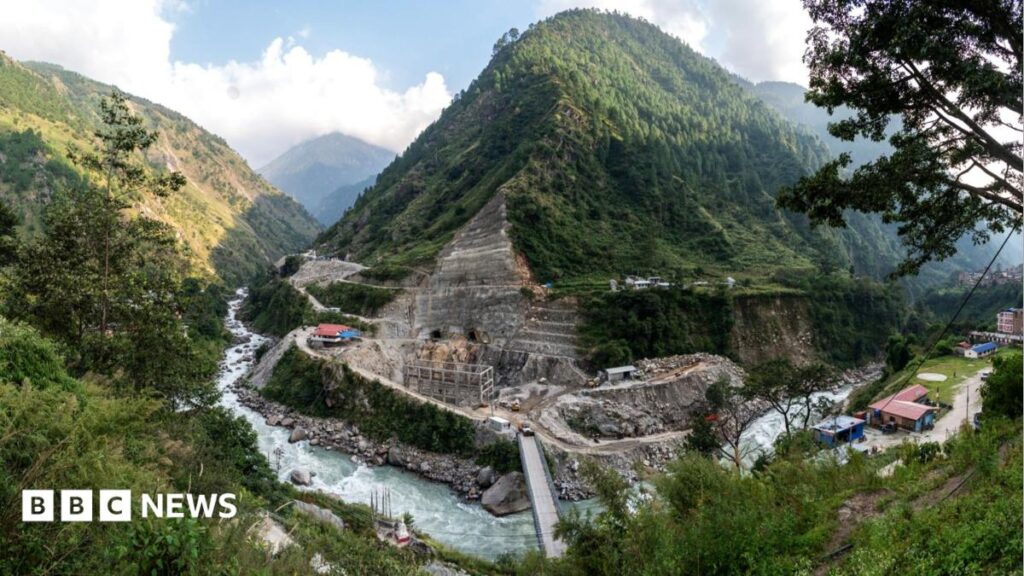
A Hydropower‑First Strategy Since the 1990s
Since the early 1990s, Nepal has marketed its rugged terrain and abundant rivers as a goldmine for clean energy. The government’s 2015 "National Hydropower Development Plan" set an ambitious target of 15,000 megawatts (MW) by 2030, a figure that would make the country a net exporter of electricity to India and Bangladesh. By 2025, installed capacity stood at roughly 2,400 MW, accounting for more than 90% of the nation’s power mix.
International donors, Chinese state‑owned firms, and private investors from India and Europe have poured billions into dam projects ranging from the 1,200‑MW Upper Tamakoshi to smaller run‑of‑the‑river schemes. The narrative has been clear: hydropower promises energy security, reduced reliance on imported diesel, and a low‑carbon development pathway that aligns with the Paris Agreement.
However, the strategy also hinges on a fragile assumption—that Nepal’s monsoon‑fed rivers will remain predictably abundant. Climate models released by the World Meteorological Organization in 2023 warned that the Himalayas’ glacial melt and erratic monsoon patterns could destabilise water flows, but those warnings have largely been sidelined in policy circles.
June 2026 Floods Cripple More Than 10% of Power Generation
Heavy rains in early June 2026 triggered flash floods across the central and eastern valleys, breaching riverbanks and washing away roads, bridges, and critical infrastructure. The Nepal Electricity Authority (NEA) reported that at least 250 MW of generation—just over 10% of the national grid—was taken offline as turbines were damaged, transmission lines snapped, and access roads to remote plants became impassable.
The Upper Tamakoshi plant, the country’s flagship project, lost two turbine units to sediment‑laden water that eroded bearings beyond repair. Smaller run‑of‑the‑river stations, which lack large reservoirs to buffer flow fluctuations, suffered similar fates, with some reporting permanent damage to penstocks and intake structures.
The immediate impact was a sharp rise in load‑shedding across Kathmandu and the Terai region. NEA had to import 150 MW of electricity from India at a premium, inflating consumer tariffs by roughly 12% for the month of July, according to a statement released by the ministry of energy.
Why Heavy Reliance on Hydropower Is a Growing Risk
Hydropower’s appeal lies in its low operating costs and zero‑emission profile, but the June disaster exposed a systemic vulnerability: the lack of diversification. When rivers swell beyond design limits, turbines can be destroyed, and when they dry up during droughts, output plummets. A 2024 study by the International Water Management Institute warned that Himalayan catchments are now experiencing a 15% increase in extreme flood events, a trend that directly threatens Nepal’s energy security.
Moreover, many of Nepal’s projects were built under “fast‑track” contracts that prioritised speed over resilience. Critics, including the Nepalese environmental NGO Green Himalaya, argue that insufficient sediment‑management measures and inadequate flood‑plain mapping were key oversights. The organization called the June floods “a wake‑up call that the country’s hydro‑first mantra is unsustainable without robust climate‑adaptation planning.”
The economic fallout extends beyond electricity bills. Agricultural supply chains that depend on reliable power for irrigation pumps were disrupted, and tourism operators in the Annapurna region reported a 7% drop in bookings for the month of July, according to the Nepal Tourism Board.
What the Nepal Crisis Means for Africa’s Renewable Roadmap
African nations watching Nepal’s hydropower boom have taken note. Countries such as Ethiopia, the Democratic Republic of Congo, and Zambia have similarly bet heavily on large‑scale hydro projects to meet rising demand and attract foreign investment. The Nepal floods serve as a cautionary tale that climate volatility can quickly turn a flagship project into a liability.
For African investors, the incident underscores the need for stricter due‑diligence on climate‑risk assessments. The African Development Bank, which recently co‑financed the Grand Inga dam study, has already signalled a shift toward integrating flood‑risk modelling into its project appraisal framework. The bank’s climate‑resilience unit cited Nepal’s experience as a “real‑world example of why adaptive design must be baked into every hydro‑investment.”
The diaspora angle is also significant. Nepalese professionals in the Indian and Gulf tech sectors have begun crowdfunding platforms to support community‑based micro‑hydro schemes that are less vulnerable to large‑scale flooding. African diaspora groups in the United Kingdom and the United States are watching these models, exploring how decentralized, community‑owned water power could be replicated in rural Kenya or the Sahel, where grid extension remains costly.
Policy Shifts and the Path Forward for Nepal—and Lessons for Africa
In the wake of the floods, Nepal’s cabinet announced a three‑pronged response: accelerate the rollout of solar‑plus‑storage pilots in flood‑prone districts, mandate retrofitting of existing dams with advanced spillway and sediment‑flushing technology, and set up a national climate‑risk fund financed by a modest levy on hydropower tariffs. The plan, outlined by Energy Minister Jagat Prasad Dhakal, aims to restore 80% of the lost capacity within 18 months while diversifying the energy mix.
Regional cooperation could also play a pivotal role. The South Asian Association for Regional Cooperation (SAARC) is drafting a trans‑boundary water‑management protocol that would enable Nepal to share excess generation with India during high‑flow periods and draw on Indian solar surplus during droughts. Such arrangements mirror the “energy corridor” concept being piloted between Kenya and Ethiopia, where cross‑border renewable trade mitigates domestic supply shocks.
For African policymakers, the key takeaway is the importance of building a balanced portfolio that blends hydropower with solar, wind, and emerging storage technologies. As the continent’s renewable capacity is projected to reach 500 GW by 2035, integrating climate‑resilience safeguards early on could avoid the costly disruptions Nepal now faces.
Quick Answers
How much of Nepal's electricity generation was lost in the June 2026 floods?
More than 10% of the country's total generation capacity—about 250 megawatts—was taken offline due to flood damage.
What steps is Nepal taking to prevent future hydro‑power failures?
The government plans to add solar‑plus‑storage projects, retrofit dams with better spillways, and create a climate‑risk fund funded by a small hydropower tariff levy.
Why should African investors care about Nepal's hydropower setbacks?
The floods highlight climate‑risk challenges that also affect African hydro projects, prompting investors to demand stronger resilience measures and consider diversified renewable portfolios.
Source: www.bbc.co.uk




💬 Comments 0