Why ‘Niu Lai’ (2026) Became China’s Surprise Box‑Office Hit Despite Terrible Animation
Background: From a Shoestring Budget to Internet Fame
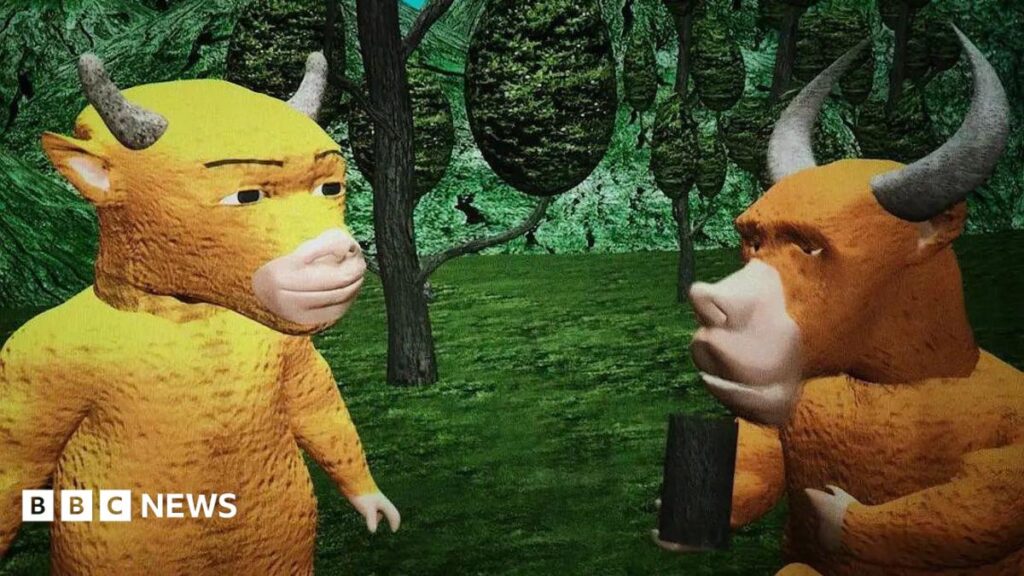
The animated feature titled *Niu Lai* hit Chinese cinemas in early August 2026 with a production budget that barely covered voice‑over fees and a handful of freelance artists. Its visual style—characterized by jittery frames, mismatched colors and a plot that jumps between unrelated scenes—prompted early reviewers to label it the worst‑animated film of the year.
Instead of sinking quietly, the movie found a second life on short‑form video platforms such as Douyin and Bilibili, where users posted clips of the most laugh‑able moments with captions like “so bad it’s good.” Within two weeks, the hashtag #NiuLaiMeme trended nationally, drawing millions of curious viewers who wanted to see the chaos for themselves.
Why the Viral Wave Turned Into Box‑Office Gold
The phenomenon mirrors a growing pattern where meme‑driven curiosity translates into ticket sales. In China’s crowded cinema market, a film that can generate free publicity through user‑generated content can out‑perform polished blockbusters that rely solely on traditional advertising. *Niu Lai* reportedly earned ¥210 million (about $30 million) in its first three weeks, a figure that surprised analysts who had projected a modest ¥50 million based on its limited theatrical rollout.
Industry insiders attribute the surge to a mix of irony‑driven attendance and a cultural appetite for “so‑bad‑it’s‑fun” experiences. A senior analyst at China Film Insider told reporters that Chinese audiences often treat low‑quality productions as communal events, where laughing together becomes the main attraction rather than the storyline itself.
Implications for Global Content Markets
The *Niu Lai* case challenges the long‑standing belief that high production values are a prerequisite for box‑office success. It suggests that digital word‑of‑mouth can outweigh technical shortcomings, especially when the content taps into a shared sense of humor. This shift could encourage studios in emerging markets to experiment with lower‑budget projects that are deliberately designed to be meme‑friendly.
For distributors outside China, the lesson is clear: monitoring social‑media sentiment in real time can uncover unexpected revenue opportunities. Streaming platforms that acquire rights to such titles may see a spike in viewership from curious audiences, turning a seemingly niche film into a global curiosity commodity.
The African Angle: Lessons for Home‑Grown Animators and Diaspora Audiences
African animation studios have long struggled with funding constraints, often resorting to limited‑tech pipelines similar to those used on *Niu Lai*. While most African creators aim for higher visual standards to attract international co‑production deals, the Chinese hit shows that a strong online buzz can compensate for technical gaps. Studios in Nigeria, Kenya and South Africa are already testing short, humor‑centric clips on TikTok and Instagram to gauge audience reaction before committing to full‑length releases.
The diaspora community also plays a role. Nigerian‑American creator Adaeze Okonkwo noted on her YouTube channel that the meme culture surrounding *Niu Lai* mirrors how African‑origin audiences rally around low‑budget comedies from their home countries. She argued that the viral model could be replicated for African stories that embrace self‑deprecating humor, turning a regional joke into a trans‑continental ticket‑seller.
What Comes Next: Studios, Audiences, and the Future of “So‑Bad‑It’s‑Good” Cinema
Major Chinese studios are already scouting the *Niu Lai* playbook, commissioning a handful of micro‑budget projects that prioritize share‑worthy moments over visual fidelity. Early reports suggest that a sequel is in development, with producers promising “even more chaotic animation” to keep the meme engine humming.
Meanwhile, advertisers are rethinking placement strategies. Brands that once avoided low‑quality films are now negotiating product‑placement deals inside *Niu Lai* screenings, betting that the high‑engagement audience will notice their logos despite the visual chaos. This commercial pivot could redefine how advertisers assess ROI in an era where audience attention is measured in meme shares rather than traditional ratings.
Quick Answers
How much did *Niu Lai* earn at the Chinese box office?
*Niu Lai* generated approximately ¥210 million (about $30 million) within its first three weeks.
Why did a poorly animated film become popular in China?
The movie went viral on short‑form platforms, and the resulting meme culture turned curiosity into ticket sales.
Can African animators use the *Niu Lai* model?
Yes, low‑budget, humor‑driven content that sparks online memes can attract audiences and investors, even without high‑end visuals.
Source: www.bbc.co.uk




💬 Comments 0