Women protest after string of murders in Kempton Park, South Africa, 2026 sparks national safety debate
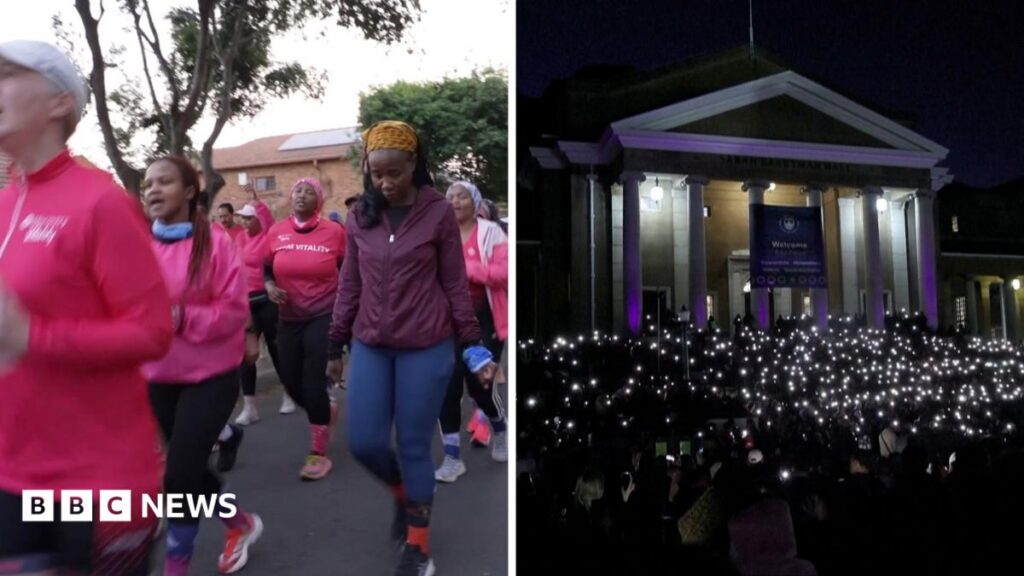
A volatile backdrop: gender‑based violence in South Africa
South Africa has long wrestled with one of the world’s highest rates of gender‑based violence. Official figures from Statistics South Africa show that in 2025 more than 33,000 women were reported as victims of rape, and the murder rate for women remains double that of men. The problem is not evenly spread; townships and peri‑urban areas around major cities such as Johannesburg often see spikes linked to poverty, inadequate policing, and a culture of impunity.
Kempton Park, a densely populated suburb in the East Rand, epitomises this uneven risk landscape. While the area hosts a thriving logistics hub and a growing middle class, it also contains pockets of informal settlements where street lighting is scarce and public transport is unreliable. These conditions have historically made it easier for perpetrators to target women who travel alone after dark, a pattern that resurfaced dramatically in early September 2026.
The protests: women take to the streets
On September 18, a group of roughly 200 women gathered outside the Kempton Park police station, brandishing placards that read “Enough is enough” and “Our streets, our lives”. The demonstration was sparked by three unsolved murders of women aged between 22 and 34, all of whom were last seen walking home from work or a nearby market. According to local media, the victims were found with signs of violent struggle, and no arrests have been made to date.
Organisers, led by community activist Thandiwe Mokoena, demanded an immediate overhaul of police patrols, better street lighting, and a transparent investigation into the killings. They also called for a national dialogue on the systemic failures that allow gender‑based crimes to proliferate. The protest, though peaceful, was punctuated by a few chants that echoed across the town’s main thoroughfare, signalling a deep‑seated frustration that has been building since the 2020 #BringBackOurGirls rally in Nigeria and the #EndSARS protests in Nigeria’s diaspora.
Police response and public criticism
Within hours of the protest, the South African Police Service (SAPS) announced the formation of a dedicated task team to investigate the Kempton Park murders. The statement urged women to avoid walking or running alone, especially in isolated areas, and promised increased patrols during night hours. While the creation of a task team appears a positive step, critics argue that it is a reactive measure that does little to address the root causes of violence.
Human rights groups, including the Women’s Legal Centre, have warned that the police advisory – essentially telling women to change their behaviour – shifts responsibility away from the state. “Victims are being blamed for their own victimisation,” said spokesperson Nomsa Dlamini. The sentiment resonates across South Africa, where similar advisories have been issued after high‑profile cases, prompting backlash from feminist organisations and the broader public.
Why the Kempton Park unrest matters beyond the suburb
The protests in Kempton Park have ripple effects that extend to the national economy and the African diaspora. Safety concerns deter investment in the East Rand’s logistics sector, a key node in South Africa’s supply chain that moves goods to ports in Durban and Cape Town. Companies have already reported a 4% dip in night‑shift staffing, citing fear for employee safety, according to a statement from the South African Logistics Association.
For the African diaspora, especially South Africans living abroad, the news fuels anxiety about returning home or sending relatives back to the country. Diaspora remittances, which accounted for roughly 6% of South Africa’s GDP in 2025, could see a slowdown if perceived insecurity persists. Moreover, the incident adds to a growing narrative in diaspora media that South Africa’s gender‑based violence crisis is worsening, influencing how African communities abroad engage with South African politics and advocacy campaigns.
Connecting the dots: a broader pattern of protest‑driven policy pressure
Kempton Park’s women-led protest is part of an emerging trend where civil society uses street mobilisation to force policy change on gender issues. The 2022 #MeToo wave in South Africa saw a surge in reporting of sexual harassment, prompting the Parliament to pass the Domestic Violence Amendment Bill. Similarly, the 2024 “Safe Streets” campaign in Lagos, Nigeria, leveraged public outcry to secure a city‑wide CCTV rollout. These movements illustrate how grassroots pressure can translate into legislative or executive action, even when governments initially respond with modest measures.
In the South African context, the current task team could serve as a stepping stone toward more systemic reforms—such as expanding the gender‑based violence (GBV) units within SAPS, improving forensic capacity, and investing in community‑led safety initiatives. The key question is whether the state will treat the task team as a temporary band‑aid or as a catalyst for a broader overhaul of how gender‑based crimes are prevented, investigated, and prosecuted.
What’s next: potential reforms and community solutions
Analysts predict that the next six months will be critical. If the task team delivers arrests and convictions, it could restore some public confidence and de‑escalate the protests. However, experts warn that without structural changes—such as increased funding for victim support services, gender‑sensitive training for police officers, and urban planning that prioritises safe public spaces—the cycle of violence is likely to repeat.
Community organisations in Kempton Park have already begun piloting a “Neighbourhood Watch Plus” model that pairs local volunteers with mobile safety apps and rapid‑response hotlines. The initiative, funded by a grant from the African Development Bank, aims to empower residents rather than rely solely on police presence. If successful, it could become a template for other high‑risk townships across the continent, showcasing how African cities can blend technology, community engagement, and policy advocacy to tackle gender‑based violence.
Quick Answers
How many women were murdered in Kempton Park in September 2026?
Three women, aged between 22 and 34, were reported dead after being attacked while walking alone.
What did the police advise women to do after the murders?
Police urged women to avoid walking or running alone, especially in isolated areas, and promised increased night‑time patrols.
Why are the Kempton Park protests significant for the African diaspora?
The unrest raises safety concerns that could affect diaspora remittances, investment decisions, and the willingness of overseas South Africans to return home.
Source: www.bbc.co.uk



💬 Comments 0