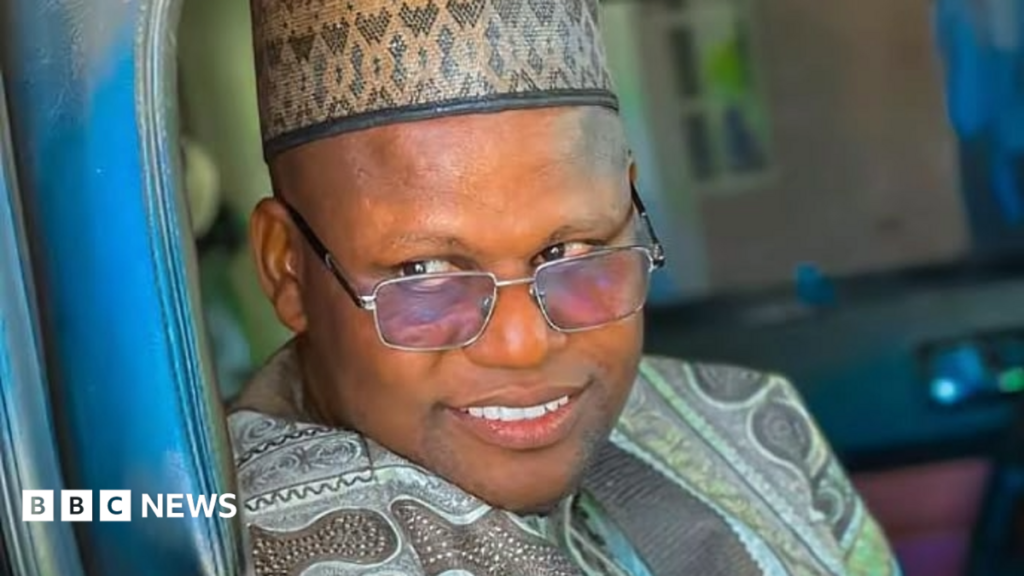
Yahaya Masussuka, controversial Nigerian cleric shot dead in Kano 2026 – implications
Background: religious dissent in northern Nigeria
Northern Nigeria has long been a battleground for competing interpretations of Islam, from the moderate teachings of the mainstream Sunni establishment to the more radical strains that have occasionally erupted into violence. Scholars and clerics who question accepted doctrines often find themselves under informal surveillance by both state security agencies and community watchdogs.
In recent years, the rise of social media has amplified the reach of dissenting voices, allowing them to bypass traditional mosque pulpits and speak directly to a youthful audience. This new dynamic has unsettled many religious leaders who fear that unorthodox ideas could erode communal cohesion, especially in regions already grappling with Boko Haram and the Islamic State West Africa Province (ISWAP) insurgencies.
The killing of Yahaya Masussuka
On 26 October 2026, Yahaya Masussuka, a self‑styled Islamic cleric known for posting videos that rejected certain mainstream practices, was shot dead outside his home in Kano State. Police recovered a handgun at the scene and have opened a murder investigation, but no suspect has yet been publicly identified.
Masussuka’s online content, which included critiques of traditional jurisprudence and calls for a more “personal” connection to the Qur’an, attracted a modest but vocal following. According to local reports, he had received death threats weeks before the attack, though the exact source of those threats remains unverified.
Why the murder matters for freedom of expression
The killing underscores a fragile balance between religious authority and the right to question doctrine in Nigeria’s north. While the constitution guarantees freedom of speech, informal enforcement of religious orthodoxy often fills the gap left by weak legal protections, creating an environment where dissent can be lethal.
Human‑rights observers, such as the International Federation for Human Rights, have warned that Masussuka’s death could signal a chilling effect on other clerics, scholars, and ordinary believers who wish to explore alternative theological perspectives. If fear curtails open debate, the region risks losing a crucial outlet for peaceful reform and dialogue.
Moreover, the incident arrives at a time when the federal government is under pressure to demonstrate its ability to protect citizens from both extremist attacks and intra‑communal violence. A failure to solve the case quickly may be read as tacit tolerance of vigilante justice.
Potential ripple effects on security and inter‑communal relations
Security analysts note that the murder could embolden other groups that see extrajudicial killings as an acceptable method of enforcing religious conformity. In areas where state presence is already thin, such actions may further erode trust in law‑enforcement agencies.
Conversely, some moderate religious leaders have called for calm, urging the community to refrain from retaliatory attacks that could inflame sectarian tensions. Their statements, however, risk being drowned out by louder, more hard‑line voices on social media platforms that thrive on sensationalism.
For the broader Nigerian economy, heightened insecurity in the north can deter investment, disrupt agricultural supply chains, and increase insurance premiums. The northern states already contribute roughly 30% of the country's GDP, so any destabilisation has national‑wide repercussions.
Responses from government, religious bodies and the diaspora
Governor Abdullahi Umar Ganduje of Kano State condemned the killing as "an affront to the rule of law" and promised a swift investigation, a statement echoed by the Ministry of Interior, which pledged additional police patrols in the area. Critics argue, however, that past promises have often resulted in superficial inquiries.
Leading Islamic councils, including the Nigerian Supreme Council for Islamic Affairs, issued a joint communiqué urging restraint and emphasizing that Islamic teaching does not sanction murder. Their call for an internal review of how dissenting scholars are treated has been welcomed by some civil‑society groups but dismissed by others as too little, too late.
The Nigerian diaspora in the United Kingdom and the United States reacted on Twitter, with many expressing concern that the incident reflects a broader pattern of intolerance that could affect diaspora communities who maintain ties with family back home. A few diaspora NGOs have pledged to fund legal aid for families of victims of religiously motivated violence.
Quick Answers
Who was Yahaya Masussuka?
Yahaya Masussuka was a Nigerian Islamic cleric from Kano who became known for posting videos that challenged mainstream Islamic practices.
Why was Masussuka targeted?
He had received threats after publicly rejecting certain elements of mainstream Islam, and his outspoken stance is believed to have motivated the fatal shooting, according to local reports.
What does his death mean for religious freedom in Nigeria?
The killing highlights the precarious state of free expression for religious dissent in northern Nigeria and may deter others from speaking out against established doctrines.
Source: www.bbc.co.uk


💬 Comments 0