Yemen President Announces 2026 Campaign to Reclaim Houthi Territory, Impacting Red Sea Trade
Background: A war that has stretched beyond Yemen's borders
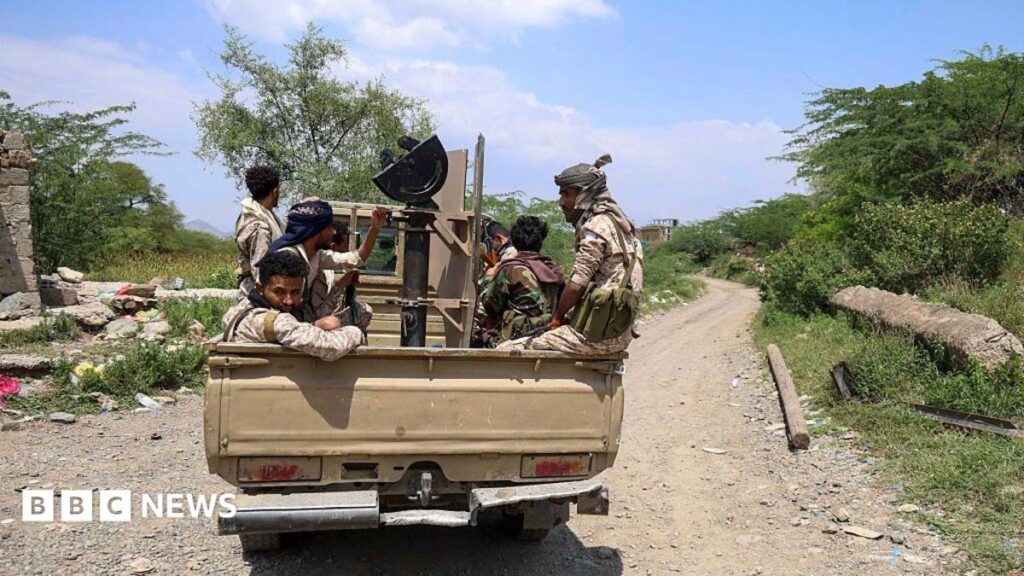
Since 2014, Yemen has been torn apart by a civil war that pits the Iran‑backed Houthi movement against a Saudi‑led coalition supporting the internationally recognised government. The conflict has morphed into a proxy battleground for regional powers, with missile strikes, drone attacks and a humanitarian disaster that the United Nations calls the world’s worst.
Over the past two years, the Houthis have expanded their reach beyond the northern highlands, seizing key ports such as Hodeidah and threatening the Red Sea shipping lanes. The coalition, in turn, has intensified air campaigns and naval blockades, creating a volatile stalemate where neither side can claim decisive victory.
The latest development comes after a series of retaliatory strikes in March 2026, when Houthi missiles hit Saudi oil facilities and coalition aircraft bombed Houthi‑controlled districts. The back‑and‑forth has left both sides exhausted but unwilling to negotiate a permanent ceasefire.
The new campaign: What the president said and what it entails
On October 3, 2026, President Rashad al‑Alimi announced a “comprehensive military operation” aimed at recapturing all territories held by the Houthis since 2015. He framed the move as a necessary step to restore national sovereignty and to reopen the country’s main arteries for trade and aid.
According to the presidential office, the campaign will combine ground offensives in the Saada and Amran governorates with intensified air strikes coordinated with the Saudi‑UAE coalition. The plan also includes a naval component to secure the Red Sea coast and protect merchant vessels from Houthi missile attacks.
Al‑Alimi stressed that the operation would be “limited in time” and would prioritize the protection of civilian populations. However, analysts warn that the scale of the offensive, coupled with the coalition’s renewed commitment of resources, could push the fighting into densely populated areas and raise the risk of further displacement.
Why it matters for Africa: Red Sea trade, energy security and the Horn of Africa
The Red Sea is a lifeline for several African economies. About 10 percent of global oil shipments and a similar share of container traffic pass through the Bab el‑Mandeb strait, a narrow choke point that lies just north of Yemen. Any escalation that threatens the strait can quickly translate into higher freight rates for Kenyan exporters, delayed grain shipments to Ethiopia, and increased insurance premiums for South African shipping firms.
Ethiopia, still dependent on the port of Djibouti for over 90 percent of its imports, has already reported occasional delays linked to Houthi missile activity. A sustained Yemeni offensive could force ships to reroute around the Cape of Good Hope, adding up to 15 days to transit times and costing the continent billions of dollars annually, according to a 2025 report by the African Development Bank.
The campaign also has implications for the growing diaspora trade between the Horn of Africa and the Gulf states. Remittances that flow through informal channels often rely on stable maritime routes; disruptions could push migrants to seek riskier, land‑based corridors, heightening human‑smuggling risks.
Humanitarian fallout and security concerns
The United Nations Office for the Coordination of Humanitarian Affairs (OCHA) warned that a large‑scale offensive could exacerbate the already dire humanitarian situation, where more than 24 million Yemenis need assistance. Displacement could surge as civilians flee renewed fighting in the north, adding pressure on already overburdened camps in the south and in neighboring Oman.
Human rights groups fear that the coalition’s air power, which has previously been linked to civilian casualties, may be used more aggressively. In 2023, Amnesty International documented over 150 incidents where coalition strikes hit schools and hospitals. If similar patterns repeat, the conflict could trigger fresh investigations by the International Criminal Court.
Security experts also point to the risk of spillover into the Horn of Africa. Militias in Somalia’s Puntland region have historically maintained informal ties with Houthi fighters, exchanging weapons for access to the Red Sea. A intensified Yemeni campaign could push those groups to seek new sanctuaries in Somalia or even in southern Sudan, complicating already fragile peace processes.
International reactions and what could happen next
The United States, while maintaining its logistical support for the Saudi‑UAE coalition, urged restraint and called for a “political solution” in a statement released on October 4. The European Union echoed the plea, highlighting concerns that a broader conflict could destabilise the entire Indian Ocean region.
Iran, which backs the Houthis, condemned the announcement as “aggressive expansionism” and warned of “proportionate response.” Tehran’s foreign ministry hinted at increasing missile shipments to the Houthis, a move that could further entrench the proxy dimension of the war.
Looking ahead, analysts say the success of al‑Alimi’s operation will hinge on three variables: the coalition’s ability to sustain air‑ground coordination, the Houthis’ capacity to adapt their guerrilla tactics, and the diplomatic pressure from the UN and major powers to avoid a full‑scale regional war. If any of these factors tilt unfavourably, the conflict could spiral into a broader Red Sea crisis, with direct repercussions for African trade and security.
Quick Answers
What did Yemen's president announce on October 3, 2026?
President Rashad al‑Alimi declared a comprehensive military campaign to retake all Houthi‑controlled territories, combining ground, air and naval operations.
How could the Yemeni campaign affect African economies?
Escalation could disrupt Red Sea shipping, raise freight costs for Kenyan, Ethiopian and South African exporters, and force vessels to detour around the Cape of Good Hope.
Is there a risk of the Yemen conflict spilling over into the Horn of Africa?
Yes; militias linked to the Houthis operate in Somalia and could seek new bases if fighting intensifies, threatening regional stability.
Source: www.bbc.co.uk




💬 Comments 0