Yemeni Military Retakes Mokha, Secures Red Sea Waterway – October 2026 Offensive Impact
Background: Mokha, Bab al‑Mandab and the Yemeni conflict
Mokha, a historic port on Yemen’s western coast, sits just a few kilometres north of the Bab al‑Mandab Strait – the narrow choke‑point that links the Red Sea to the Gulf of Aden. Control of this corridor has long been a prize for any side that wants to influence global maritime traffic, especially oil and container ships that pass through on their way to Europe and Asia. Since the Saudi‑UAE coalition intervened in 2015, the Houthi rebels have periodically seized and lost footholds along the coast, turning the waterway into a flashpoint for missile strikes and drone attacks that have threatened shipping lanes and humanitarian deliveries.
The broader Yemeni civil war has also drawn in regional powers, with Saudi Arabia backing the internationally recognised government and the United Arab Emirates supporting various local militias. For the Houthis, holding Mokha gave them a symbolic win – the city is famed for its coffee trade and its name is synonymous with the historic spice route. For the Saudi‑backed forces, recapturing it is a way to demonstrate that they can push back against Houthi advances and protect the Red Sea trade that underpins the economies of dozens of African nations.
The offensive: How Mokha was retaken
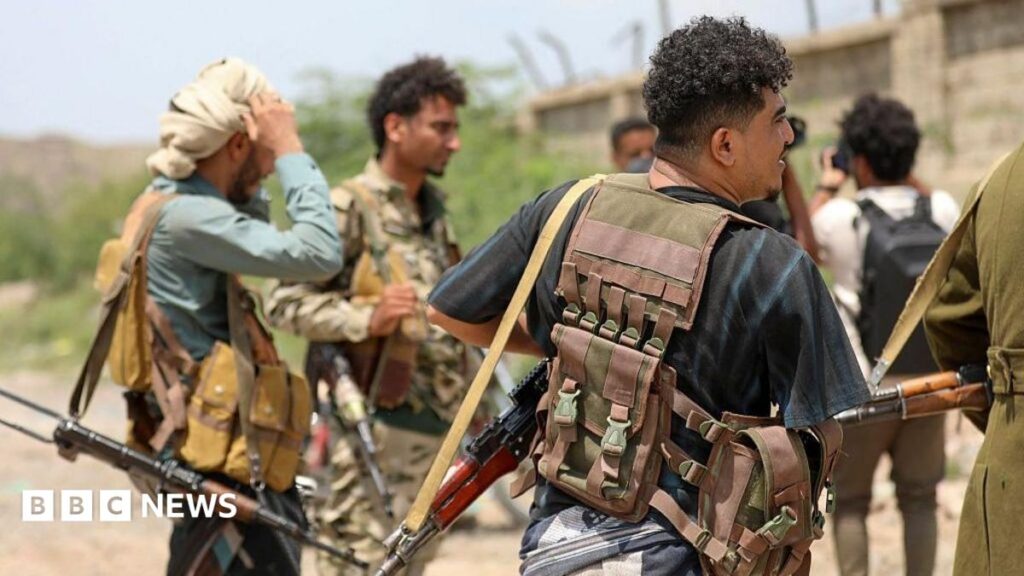
On 3 October 2026, Yemeni army units, reinforced by Saudi‑provided artillery and air support, launched a coordinated assault on Mokha after weeks of artillery duels and naval blockades. The Yemeni military announced that they had “secured the city and cleared the Red Sea waterway of Houthi threats” in a televised briefing, while a senior Saudi‑backed commander confirmed that the operation had involved ground troops, drone strikes and a brief naval bombardment from coalition warships stationed off the coast.
According to statements from the coalition’s public affairs office, the fighting lasted less than 48 hours, with the Houthis withdrawing to the hinterland after suffering heavy losses in both personnel and equipment. Independent monitors from the United Nations‑backed Panel of Experts on Yemen noted that the city’s main harbor infrastructure remained largely intact, but that several civilian buildings showed signs of shelling. The rapid recapture was hailed in Riyadh as a “decisive step toward restoring safe passage for commercial vessels in the Red Sea.”
Why it matters: Shipping, aid and African economies
The Red Sea is a lifeline for African exporters, especially Ethiopia, Sudan and Kenya, whose imports of fuel, machinery and foodstuffs largely travel through the Bab al‑Mandab. Houthi missile attacks over the past two years have forced many shipping lines to reroute around the Cape of Good Hope, adding weeks and tens of millions of dollars to freight costs. A secure Mokha port, even if only temporarily, could lower insurance premiums and encourage carriers to resume the shorter, cheaper route, benefitting African traders and consumers alike.
Humanitarian aid to Yemen also relies heavily on the Red Sea corridor. The United Nations World Food Programme and several NGOs have warned that any prolonged disruption could starve millions already on the brink of famine. With Mokha back under government control, aid agencies say they can plan larger shipments through the port, potentially easing the bottleneck that has forced them to use the more distant port of Aden. For the Yemeni diaspora in Africa, particularly in Djibouti and Somalia, a steadier flow of goods means lower prices for staple items that are often imported via the same maritime network.
What’s next: Risks, diplomatic moves and the African outlook
While the recapture of Mokha is a tactical win for the Saudi‑backed side, analysts caution that the Houthis are likely to regroup and target other coastal towns, such as Al‑Hudaydah and Hodeidah, which remain under their control. A renewed wave of missile launches could quickly undo any short‑term gains, especially if the coalition’s air‑defence assets are stretched thin across multiple fronts. Observers from the International Crisis Group warn that without a credible political pathway to peace, the back‑and‑forth over ports will continue to destabilise the Red Sea trade ecosystem.
For African states, the development underscores the importance of diversifying maritime routes and investing in regional port infrastructure. Ethiopia, for example, has been fast‑tracking the development of its own inland ports and rail links to the Djibouti corridor, partly to hedge against Red Sea volatility. Meanwhile, the African Union’s maritime security task force is urging member states to cooperate with the International Maritime Organisation to monitor Houthi‑related threats and to lobby for a UN‑mandated ceasefire that could protect the waterway. The next few weeks will reveal whether the Mokha victory translates into a lasting reduction in attacks or simply becomes another episode in a protracted conflict.
Quick Answers
Who retook the Yemeni port city of Mokha in October 2026?
Yemeni army forces backed by Saudi Arabia recaptured Mokha after a brief offensive.
When did the Yemeni military announce the security of the Red Sea waterway?
The announcement was made on 3 October 2026, following the city’s recapture.
How could the retaking of Mokha affect Red Sea shipping for African countries?
A secured Mokha port may lower insurance costs and encourage carriers to use the shorter Bab al‑Mandab route, benefiting trade for Ethiopia, Sudan, Kenya and other African nations.
Source: www.bbc.co.uk



💬 Comments 0